Redwood National Park: Complete Guide to Trails, Trees, Camping & Planning Your Visit

Redwood National Park is part of a larger protected landscape in Northern California where towering coastal redwoods meet rivers, prairies, forests, beaches, and the Pacific coast. The area is managed as a four-park system consisting of Redwood National Park and three California state parks: Jedediah Smith Redwoods State Park, Del Norte Coast Redwoods State Park, and Prairie Creek Redwoods State Park.
The national park was established on October 2, 1968, while California had already begun protecting important redwood groves during the 1920s. The four parks are now managed cooperatively by the National Park Service and California State Parks.
For a first visit, the biggest challenge is not finding something to see—it is deciding how much of the enormous landscape you can comfortably explore.
Photos
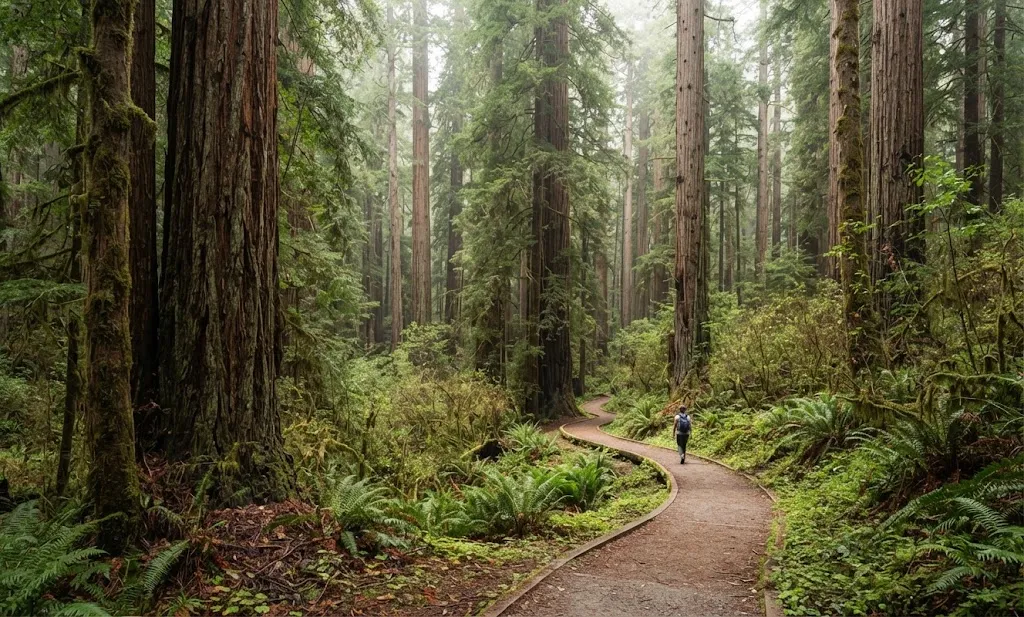
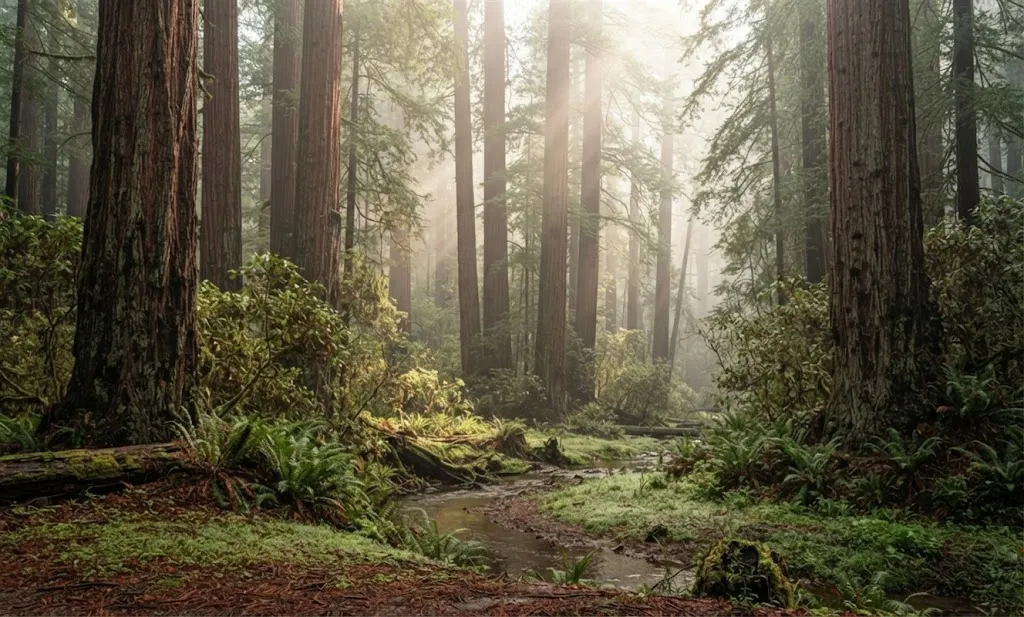
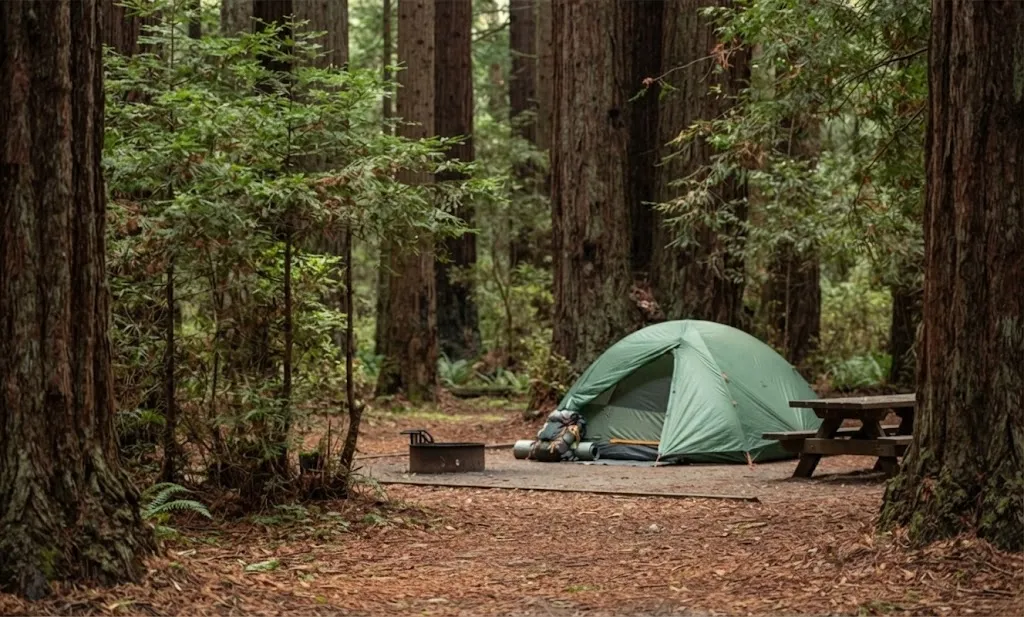
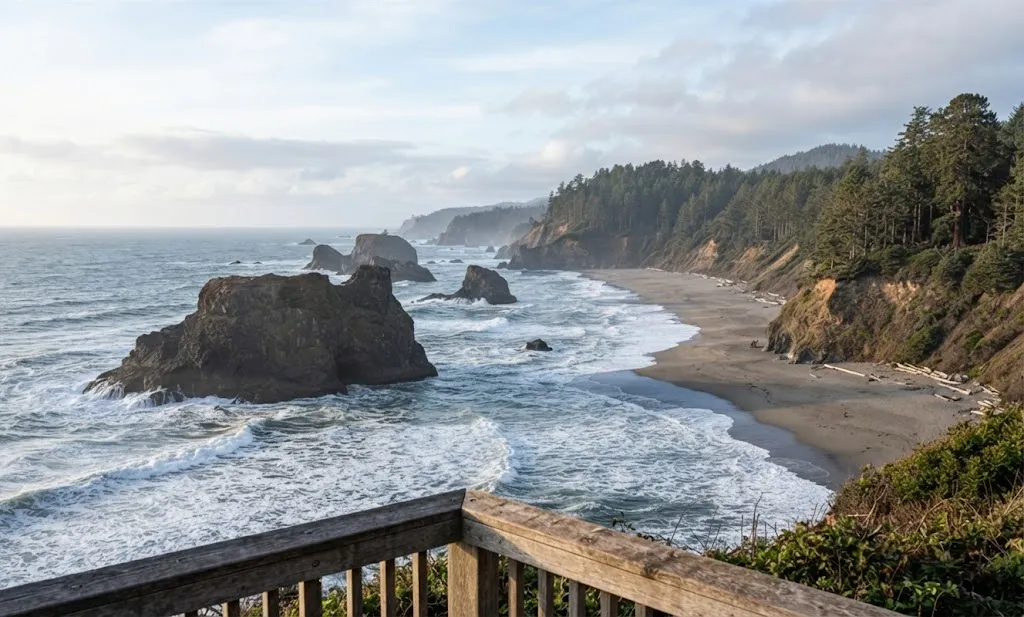
What Makes Redwood National Park Special?
The redwoods are obviously the main attraction, but the experience is much broader than simply walking among enormous trees.
Within the four-park landscape, you can move from old-growth forest to open prairie, from fern-covered canyons to the Pacific Ocean, and from quiet trails to scenic coastal roads.
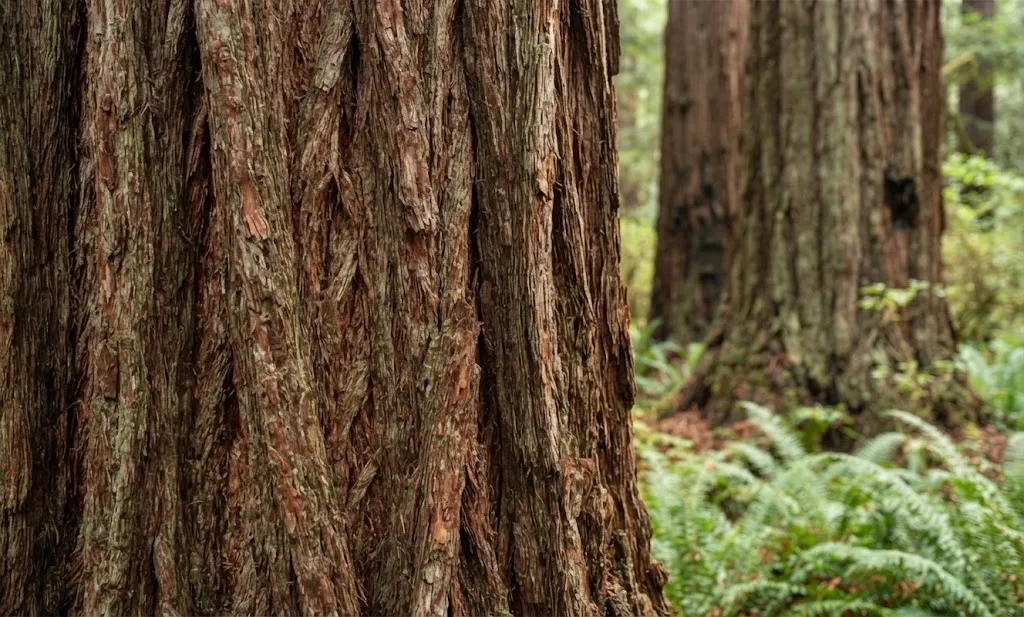
Some redwoods reach more than 370 feet high and can live for more than 2,000 years. The scale is difficult to appreciate from photographs, which is why walking even a short forest trail can be one of the most memorable parts of a visit.
The protected landscape also supports wildlife and coastal habitats. Roosevelt elk, seals, whales, and tide-pool creatures are among the wildlife experiences associated with the area.
The parks were designated a World Heritage Site in 1980, adding international recognition to their conservation importance.
Understanding the Four Parks
One of the most useful things to know before arriving is that “Redwood National Park” does not describe only one compact section of forest.
The experience is spread across four connected parks:
| Park | What It Is Known For |
|---|---|
| Redwood National Park | Ancient redwoods, coastal landscapes, Tall Trees Grove and scenic areas |
| Prairie Creek Redwoods State Park | Fern Canyon, Big Tree, elk and Newton B. Drury Scenic Parkway |
| Jedediah Smith Redwoods State Park | Dense old-growth forest, Stout Grove and Howland Hill Road |
| Del Norte Coast Redwoods State Park | Coastal scenery, Crescent Beach Overlook and Enderts Beach |
This layout matters when planning your days. A trail in one park may be quite far from an attraction in another, so trying to see everything in a single afternoon can make the trip unnecessarily rushed.
How Many Days Do You Need?
A short visit can still work, but the amount of time available changes the experience significantly.
1 day: Focus on a small selection of highlights, such as Jedediah Smith, a short redwood trail, or Prairie Creek.
2 days: A practical minimum for seeing several major areas without moving constantly.
3 days: Gives you more flexibility for forest walks, coastal stops and scenic drives.
4 days: Allows a much more complete exploration of the four-park landscape.
A 5-day itinerary can be used if you want a slower trip with additional short walks, beaches, viewpoints and scenic drives.
A Simple 4-Day Redwood Itinerary
Day 1: Jedediah Smith Redwoods
Begin among the exceptionally dense redwood forest of Jedediah Smith Redwoods State Park.
Spend time around:
- Howland Hill Road
- Stout Grove
- Grove of Titans
- Boy Scout Tree Trail
- Fern Falls
Howland Hill Road is approximately 10 miles long and provides one of the area’s memorable forest drives.
Stout Grove is another excellent place to slow down and walk beneath the old-growth trees. The trail loop is about 0.7 mile.
Day 2: Prairie Creek and Fern Canyon
Use the second day for Prairie Creek Redwoods State Park.
Drive the 10-mile Newton B. Drury Scenic Parkway, then explore:
- Fern Canyon
- Big Tree
- Elk Prairie
- Nearby forest trails
Fern Canyon is particularly distinctive because its walls are covered with lush vegetation, creating a narrow natural corridor that feels completely different from an ordinary redwood trail.
Day 3: Coastal Redwoods and Beaches
Move toward the coast and explore Del Norte Coast Redwoods State Park.
Potential stops include:
- Crescent Beach Overlook
- Enderts Beach
- Coastal viewpoints
- Tide pools
The walk toward Enderts Beach is around 0.5 mile from the parking area. If you are interested in tide pools, plan around low tide and watch your footing on wet rocks.
Day 4: Redwood National Park and Flexible Stops
Use your final day for attractions you could not fit into the first three days.
Depending on conditions and permits, this can include:
- Tall Trees Grove
- Lady Bird Johnson Grove
- Kuchel Visitor Center
- Additional scenic roads
- Short forest walks
- Coastal viewpoints
Keeping one flexible day is useful because weather, road conditions and trail conditions can change.
Best Trails and Walks to Put on Your List
Redwood National and State Parks provide options ranging from very short walks to much longer hikes.
| Trail / Area | Approximate Distance or Detail |
|---|---|
| Lady Bird Johnson Grove | 1.5 miles |
| Stout Grove | 0.7-mile loop |
| Enderts Beach access | About 0.5 mile |
| Newton B. Drury Scenic Parkway | 10 miles |
| Howland Hill Road | About 10 miles |
| Avenue of the Giants | 31 miles |
| Park trail network highlighted | 200 miles |
Lady Bird Johnson Grove is especially approachable for visitors who want a relatively easy introduction to the forest. The trail is about 1.5 miles and provides an opportunity to experience the redwoods without committing to a long hike.
Stout Grove is another excellent choice for a shorter forest experience.
For a more demanding adventure, Tall Trees Grove and the longer trails around the parks require more planning.
The Tall Trees Grove Experience
Tall Trees Grove is one of the areas that requires additional planning rather than simply arriving and walking onto the trail.
A permit is required, so visitors should account for that when building an itinerary.
This is a good example of why Redwood trips benefit from preparation. Some of the most memorable areas are not necessarily the places where you can simply pull over and start walking.
Fern Canyon
Fern Canyon deserves its own place on a Redwood itinerary.
The canyon’s walls are covered with ferns and other vegetation, creating a narrow, green environment that contrasts strongly with the huge trunks of the surrounding redwood forests.
It has also been associated with filming locations, including Jurassic Park.
Because access and conditions can vary, check current information before heading there, particularly if your visit depends on a specific road or access route.
Howland Hill Road
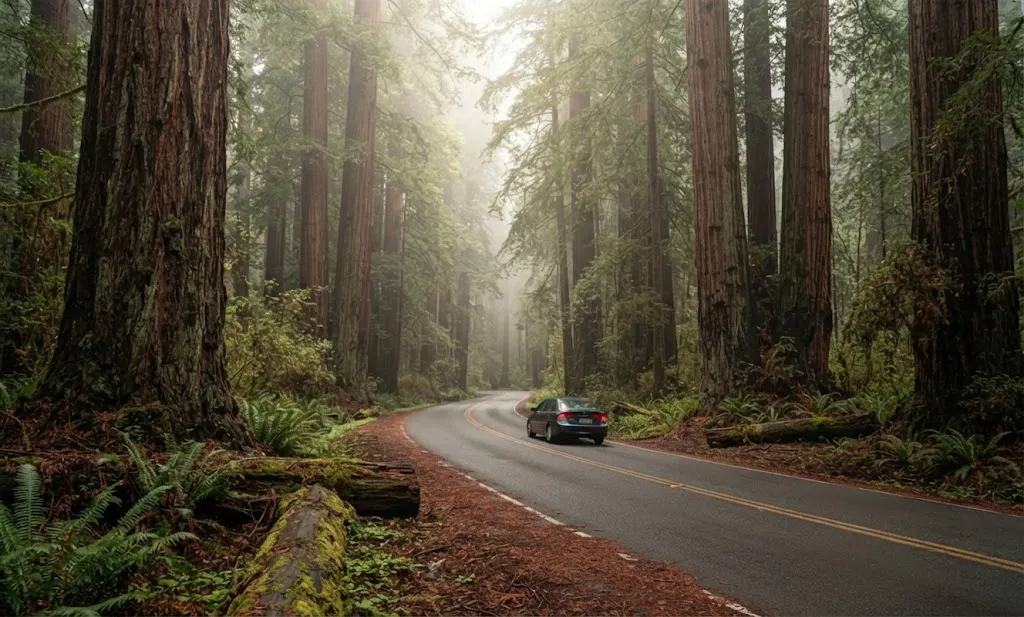
If you want a scenic drive through old-growth redwoods, Howland Hill Road is one of the standout options.
The route is approximately 10 miles long and includes access to areas such as Stout Grove.
Its narrow character means it is not the kind of road where you should assume every vehicle will be comfortable. Visitors using large RVs or trailers should pay particular attention to vehicle restrictions and current conditions.
The reward is a much more intimate forest-driving experience than simply passing through on a major highway.
Newton B. Drury Scenic Parkway
The 10-mile Newton B. Drury Scenic Parkway provides another excellent way to experience the redwoods without turning the day into a long hike.
It passes through Prairie Creek’s forest landscape and creates opportunities to stop for walks, viewpoints and wildlife observation.
For travelers with limited hiking time, scenic drives can be an efficient way to experience more of the landscape.
The Big Tree
Prairie Creek is home to the well-known Big Tree.
The measurements highlighted in the travel material include:
- Nearly 300 feet tall
- About 23.7 feet in diameter
- Around 74.5 feet in circumference
- Almost 1,500 years old
The scale makes the tree impressive, but the surrounding forest is equally important. Visitors should avoid damaging roots or vegetation around large old-growth trees.
Lady Bird Johnson Grove
Lady Bird Johnson Grove offers another accessible way to experience the forest.
The trail is approximately 1.5 miles and is described as relatively wide, well maintained and suitable for visitors looking for a less demanding walk.
The grove was visited by Lady Bird Johnson in 1968 and was renamed for her in 1969.
It can be a useful choice for families or travelers who want a manageable forest walk while still experiencing mature redwoods.
Redwood National Park Weather
The northern California coast can be considerably cooler and wetter than visitors expect.
One travel guide describes typical conditions around 50–60°F, while monthly averages show relatively cool temperatures throughout the year.
| Month | Average High | Average Low | Precipitation |
|---|---|---|---|
| January | 55°F | 44°F | 10.9 in |
| February | 53°F | 42°F | 7.5 in |
| March | 54°F | 43°F | 7.7 in |
| April | 56°F | 45°F | 4.7 in |
| May | 57°F | 48°F | 2.0 in |
| June | 60°F | 51°F | 1.2 in |
| July | 62°F | 53°F | 0.2 in |
| August | 63°F | 54°F | 0.5 in |
| September | 63°F | 52°F | 1.0 in |
| October | 61°F | 49°F | 4.4 in |
| November | 57°F | 45°F | 7.3 in |
| December | 54°F | 43°F | 11.0 in |
The figures show why July and August are attractive for visitors seeking drier conditions, while winter can be much wetter.
Even in summer, however, coastal fog and cool conditions are possible. One travel account describes wearing pants and coats during an early-August visit.
When Is the Best Time to Visit?
Different seasons provide different experiences.
April–June:
Good for lush landscapes, spring conditions and generally manageable crowds.
July–September:
Generally warmer and drier, making this a popular period for hiking and coastal activities.
October–November:
A quieter period with autumn atmosphere and fewer visitors than peak summer.
December–March:
Cooler, wetter and generally quieter.
If your priority is hiking and outdoor exploration, the drier period can make planning easier. If your priority is solitude and a quieter atmosphere, the cooler months can have their own appeal.
How to Reach Redwood National Park
A vehicle is particularly useful because the attractions are distributed across a large area and public transportation options are limited.
The travel material provides several approximate driving comparisons:
| Starting Point | Approximate Drive |
|---|---|
| San Francisco | 5.5–6.5 hours |
| Portland | 5.5–6 hours |
| Eureka-Arcata Airport | About 1 hour |
| California Redwood Coast-Humboldt County Airport | About 30 minutes |
| Del Norte County Regional Airport | About 30 minutes |
From San Francisco, one route described in the travel material is approximately 325 miles.
The coastal Highway 1 option can take about 9 hours without stops, making it better suited to travelers who want the journey itself to be part of the experience.
Camping in Redwood National and State Parks
Camping gives visitors a chance to stay closer to the forest and reduce the amount of driving required each day.
The four developed campgrounds highlighted in the travel material are:
| Campground | Campsites | Opening Information |
|---|---|---|
| Jedediah Smith | 86 | Year-round |
| Mill Creek | 145 | Summer |
| Elk Prairie | 75 | Year-round |
| Gold Bluffs Beach | 26 | Year-round |
Together, these provide about 300 campsites.
Gold Bluffs Beach is particularly notable because of its coastal setting and proximity to Fern Canyon.
Large RV users should check restrictions carefully because some campground infrastructure was designed before today’s larger vehicles became common.
Camping Costs and Reservations
The national park itself does not charge an entrance fee, but camping and certain state-park day-use areas have separate charges.
Reservations are particularly important during the busy summer period.
For backcountry camping, there are 7 designated campsites along approximately 200 miles of trails, and a free permit is required. The designated sites have an 8-person limit, while group sites can accommodate up to 20 people.
That makes advance planning especially important for anyone looking for a more remote overnight experience.
Entrance Fees and Permits
A major advantage for visitors is that Redwood National Park has no entrance fee.
However, that does not mean every activity is automatically free.
Some state-park day-use areas have fees, and Fern Canyon/Gold Bluffs Beach can involve a state-park day-use charge.
Certain activities also require permits, including areas such as Tall Trees Grove and backcountry camping.
Always distinguish between:
- General park access
- State-park day-use fees
- Camping fees
- Activity permits
This simple distinction can prevent surprises during your trip.
Wildlife You May Encounter
Redwood National and State Parks protect much more than trees.
Depending on where and when you explore, the landscape provides opportunities to observe:
- Roosevelt elk
- Seals
- Whales
- Coastal birds
- Tide-pool animals
- Forest wildlife
At Enderts Beach and other coastal areas, tide pools may contain creatures such as starfish, mussels, crabs, barnacles, sea anemones and sea urchins.
Observe wildlife without touching or disturbing it, and maintain an appropriate distance from larger animals such as elk.
What to Pack
A Redwood trip benefits from preparing for changing conditions.
A practical packing list includes:
- Waterproof hiking shoes or boots
- Rain jacket
- Warm layers
- Water bottle
- Snacks
- Sunscreen
- Hat
- Binoculars
- Park map
- Comfortable daypack
- Camera or phone
- Extra layers for coastal areas
Layers matter. A sunny morning does not guarantee a warm afternoon near the coast.
A Practical Daily Planning Formula
A simple way to make the trip more comfortable is to avoid filling every hour.
For each day, choose:
- One major attraction
- One main hike
- One scenic drive
- One flexible stop
For example, a day around Prairie Creek could combine Newton B. Drury Scenic Parkway + Fern Canyon + Big Tree + Elk Prairie.
This approach gives you room for photographs, wildlife sightings, food stops and unexpected road delays.
Important Things to Know Before You Go
Keep these points in mind before leaving for the park:
- The four-park landscape is large, so group nearby attractions together.
- 2 days can provide a useful introduction, while 3–4 days allow a deeper experience.
- Some locations require permits.
- Some state-park areas have day-use fees.
- Summer is popular, so campground reservations should be planned ahead.
- Coastal weather can be cool even during summer.
- Cell service may be limited in remote areas.
- Large vehicles may not be suitable for every road or campground.
- Check current road and trail conditions before departing.
- Tide-pool exploration should be planned around low tide.
- Keep wildlife and trees protected by staying on appropriate paths and following park regulations.
Questions
Is Redwood National Park free to enter?
Yes. Redwood National Park itself has no entrance fee. However, certain state-park day-use areas and activities can have separate fees.
How many days should I spend at Redwood National Park?
A 2-day visit can cover several major highlights. A 3–4 day trip gives you considerably more time for forests, beaches, scenic drives and different parks.
What are the four parks?
The four connected parks are Redwood National Park, Jedediah Smith Redwoods State Park, Del Norte Coast Redwoods State Park, and Prairie Creek Redwoods State Park.
How tall are the redwoods?
Some of the tallest redwoods reach more than 370 feet.
How old are the redwoods?
Some trees in the region are estimated to be more than 2,000 years old.
What is the best short redwood hike?
For a relatively short experience, Stout Grove’s 0.7-mile loop and the 1.5-mile Lady Bird Johnson Grove Trail are useful options.
How long is Howland Hill Road?
Howland Hill Road is approximately 10 miles long.
Is Fern Canyon worth adding to a trip?
Fern Canyon provides a very different landscape from the surrounding redwood groves, with narrow canyon walls covered in vegetation. It is one of the distinctive stops to consider when planning a Prairie Creek day.
Do I need a permit for Tall Trees Grove?
Yes. Tall Trees Grove is among the locations where visitors need to plan around a permit.
Can I camp inside the park?
Yes. There are 4 developed campgrounds, plus 7 designated backcountry campsites.
What should I expect from summer weather?
Summer is generally drier and warmer than winter, but coastal fog and cool temperatures remain possible. Average July and August highs in the figures presented are about 62–63°F.
Is Redwood National Park open year-round?
Yes. The park itself is generally open year-round, although individual facilities, roads, trails and visitor centers can have seasonal schedules or temporary closures.
Final Planning
Before leaving for Redwood National Park, make sure you have:
- Chosen your trip length: 2, 3, 4 or 5 days
- Grouped attractions by park
- Checked permits for restricted areas
- Reserved camping if needed
- Checked current road and trail conditions
- Planned around weather
- Checked tide timing for coastal exploration
- Packed warm and waterproof layers
- Prepared food and water for longer outings
- Allowed extra time for scenic stops
- Planned a flexible day or flexible portion of each day
The best Redwood experience is not necessarily about seeing the greatest number of locations. It is about giving yourself enough time to slow down beneath the trees, walk a forest trail, reach the coast, and appreciate how enormous and ancient the landscape really is.
Hi, I’m Marcus! I love exploring the outdoors and discovering incredible places. Through ExploreNatureTrips blog, I share my travel experiences, useful tips, and recommendations for the best sights, trails, and destinations to visit.


