
What to Do in Zion National Park to Make It Unforgettable

Zion National Park is the kind of destination where a single day can feel completely different from the next. One moment you may be walking beside the Virgin River, and the next you may be looking up at enormous sandstone walls or standing above Zion Canyon at a panoramic viewpoint.
The key to making a Zion trip unforgettable is not trying to do everything. Planning around your available time, hiking ability, weather, transportation, and preferred experiences makes the visit much more enjoyable.
From famous trails such as The Narrows and Angels Landing to quieter areas such as Kolob Canyons, Zion offers a wide range of experiences for hikers, photographers, families, and first-time visitors.
Start With Zion Canyon Scenic Drive
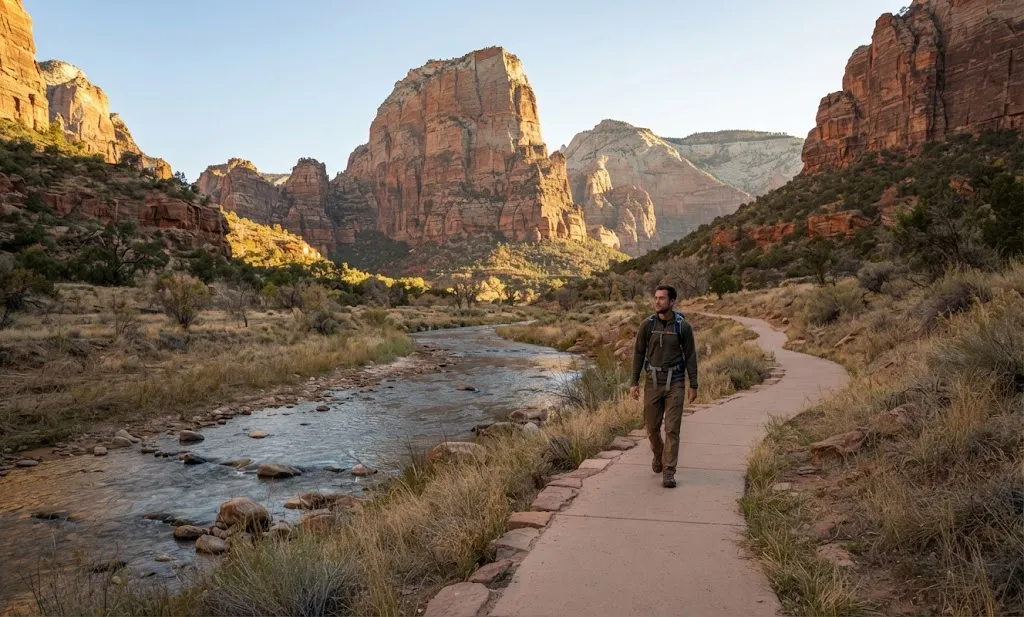
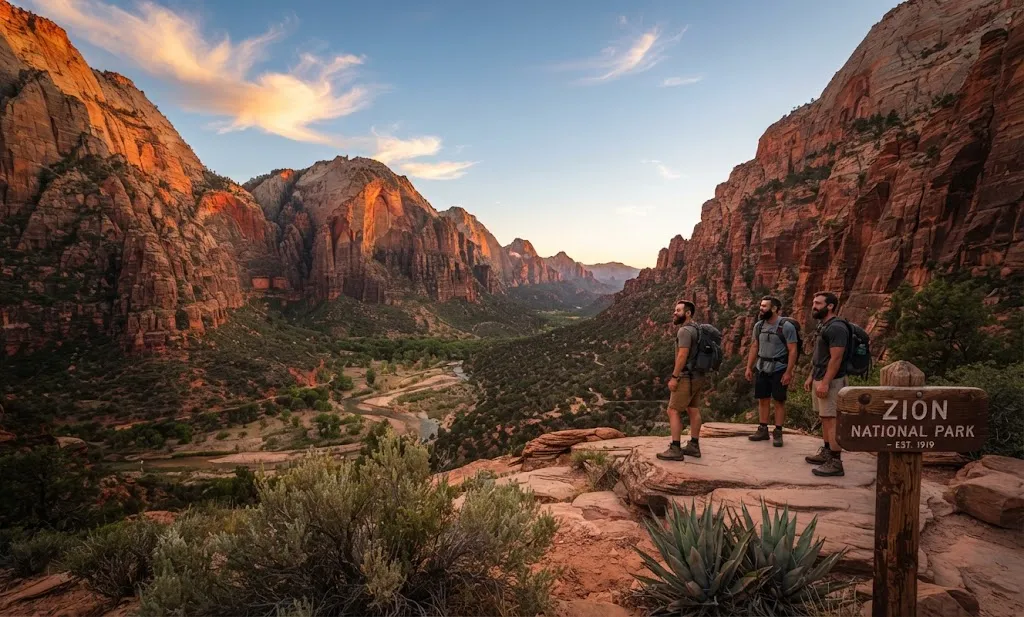

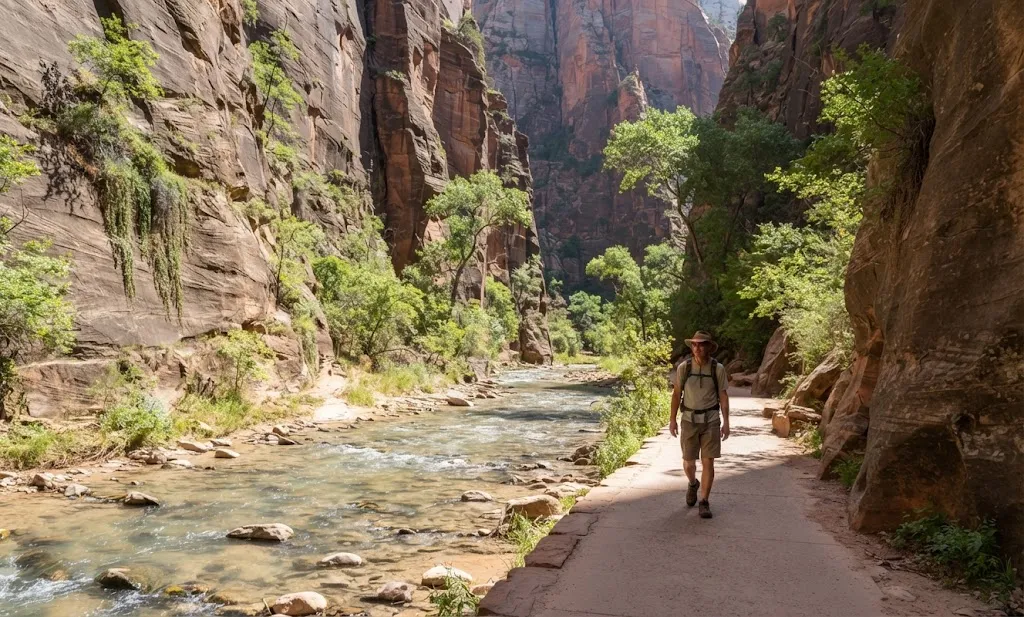

For many first-time visitors, Zion Canyon Scenic Drive is the natural introduction to the park.
During the main shuttle period, private vehicles are restricted on much of the canyon road, so the shuttle becomes an important part of your visit. It connects visitors with major trailheads and viewpoints without requiring them to repeatedly move and search for parking.
Rather than treating the ride simply as transportation, use it as part of the experience. The canyon walls become increasingly dramatic as you travel deeper into Zion Canyon.
Tip: Start early. Arriving around 7 AM can give you more time before the busiest part of the day.
Hike The Narrows Through the Virgin River

The Narrows is one of Zion’s most distinctive experiences because much of the route takes place directly in or alongside the Virgin River.
The walls become dramatically narrower as you travel deeper into the canyon, creating an environment that feels completely different from an ordinary mountain trail.
A bottom-up outing can involve several miles of river hiking, while the complete river corridor extends much farther. The exact distance you cover should depend on conditions, your experience, and the time available.
Before entering the river section, check conditions carefully. Flash flooding can make canyon travel dangerous, and water conditions can change.
Bring appropriate footwear, protect important belongings from water, and avoid treating a long river hike like a normal dry trail.
Experience Angels Landing

For experienced hikers looking for a major challenge, Angels Landing is one of Zion’s signature adventures.
The hike is roughly 5.1–5.4 miles round trip, depending on the route measurement used, with approximately 1,500 feet of elevation gain.
The final section is narrow and exposed, making this an experience that requires careful attention rather than simply physical effort.
A permit is required for the Angels Landing hike, with the permit system introduced in 2022.
If you have a permit and appropriate conditions, begin early to reduce exposure to the hottest part of the day and to make better use of your available time.
Important: Do not choose this hike simply because it is famous. Consider your comfort with exposure, elevation gain, weather, and steep terrain.
Walk to the Emerald Pools
The Emerald Pools area offers a very different experience from Angels Landing.
Instead of a highly exposed climb, you can explore trails leading toward pools, waterfalls, and canyon scenery.
Different sections provide different distances, with shorter options available for visitors who do not want a long hike.
This makes Emerald Pools useful for travelers with mixed interests. One person can enjoy the scenery while another can choose a longer walking option.
Take the Riverside Walk
The Riverside Walk is another excellent choice for visitors who want to experience Zion Canyon without immediately committing to one of the more demanding hikes.
The trail leads toward the entrance of The Narrows and follows the Virgin River.
It can work especially well for:
- Families
- First-time visitors
- Photographers
- Travelers with limited hiking time
- Anyone wanting a calmer canyon experience
From here, you can decide whether to continue toward The Narrows if conditions and preparation allow.
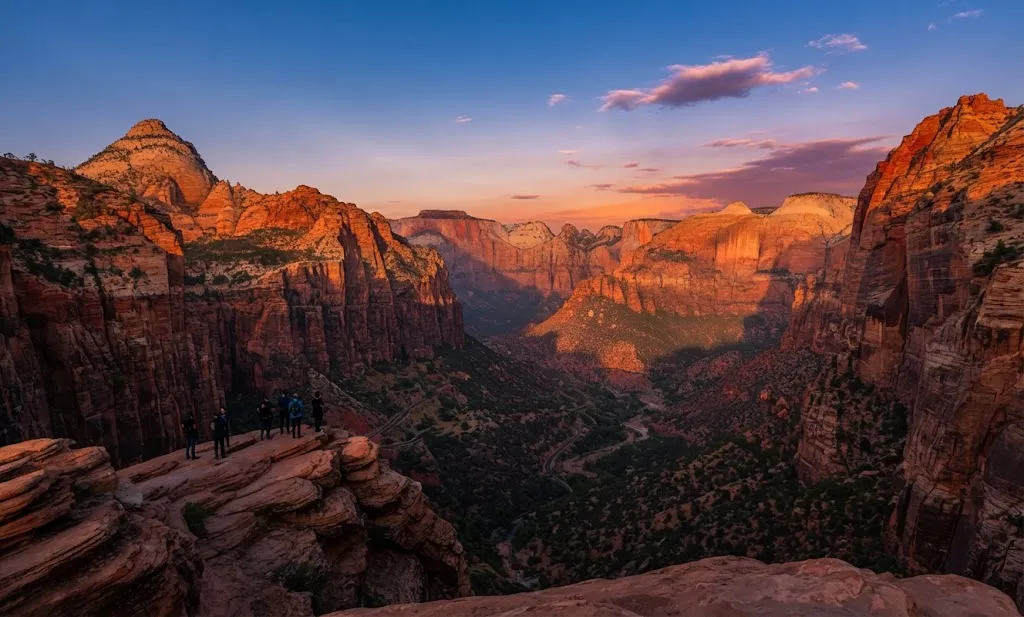
Watch the Sunset From Canyon Overlook
Canyon Overlook Trail packs a lot of scenery into a relatively short hike.
The route is approximately 1 mile round trip, making it one of the most practical choices when you want a panoramic viewpoint without committing several hours to a trail.
Sunrise and sunset are particularly attractive times for photography because the changing light can emphasize the canyon’s sandstone formations.
If you have only one day in Zion, placing Canyon Overlook near the end of your schedule can create a memorable finish.
Explore Pa’rus Trail
The Pa’rus Trail provides a flatter alternative to Zion’s more strenuous routes.
The trail is approximately 1.6 miles one way and offers views of the surrounding canyon landscape.
Because it is paved and relatively flat, it can be a useful choice for:
- Families
- Casual walkers
- Cyclists
- Visitors seeking an easier outing
- Travelers who want scenery without a steep climb
It is also a good option when you want to conserve energy for another activity later in the day.
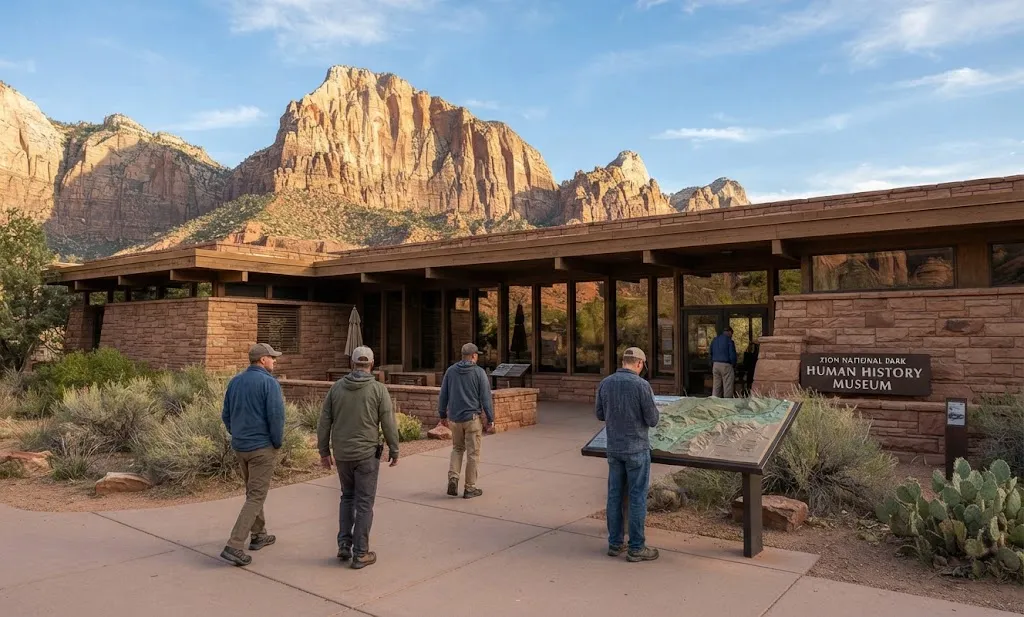
Visit the Human History Museum
Zion is not only about hiking.
The Human History Museum provides an opportunity to learn more about the area’s geology, culture, and history.
Adding an indoor educational stop can also make sense during the hottest part of the day, especially in summer.
For families, this can provide a useful break between outdoor activities.
Discover Kolob Canyons
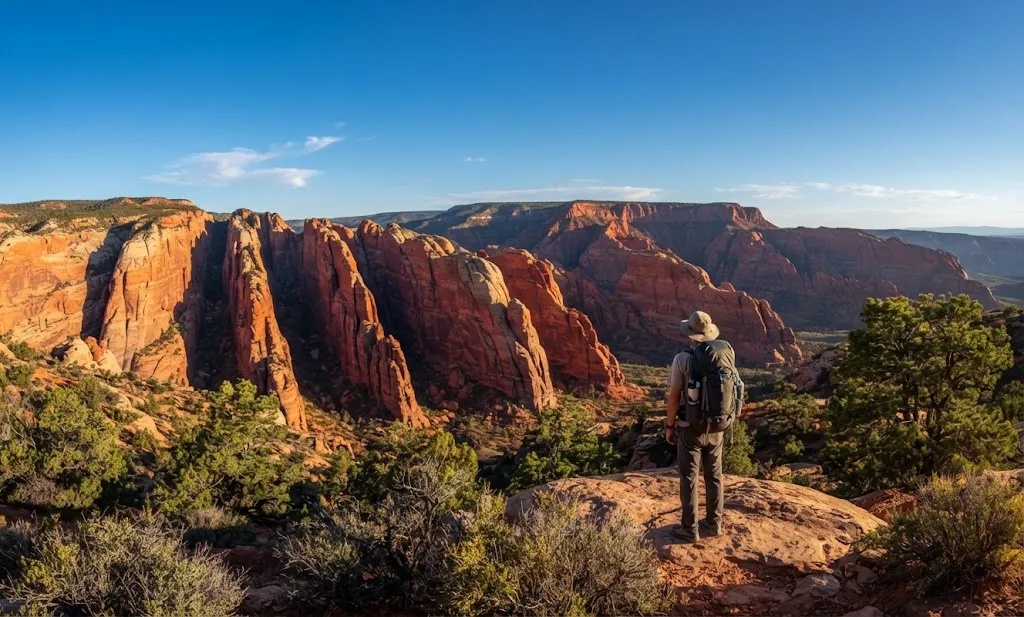
If you want a quieter side of Zion, consider Kolob Canyons.
Located in the northwestern section of the park, this area provides red-rock scenery without focusing entirely on the busy central canyon.
You can combine the area with scenic driving and shorter walks, making it particularly useful as part of a multi-day Zion itinerary.
A 3-day trip gives you considerably more flexibility to include this area without rushing through the main canyon.
Try the Watchman Trail
The Watchman Trail is another option when you want a moderate outing with broad views.
The route is approximately 3.3–3.4 miles round trip, depending on the measurement used, with roughly 368 feet of elevation gain.
Expect to spend around 2–3 hours if you want to hike at a comfortable pace and spend time enjoying the scenery.
Its location also makes it convenient for visitors staying around Springdale.
Consider Observation Point
Observation Point provides a completely different perspective of Zion Canyon.
One commonly described route is around 6.7–7 miles, with approximately 695 feet of elevation gain depending on the approach.
The reward is a high viewpoint looking across the canyon and toward formations that appear very different from the views experienced on the canyon floor.
If your priority is a broad landscape rather than a narrow canyon experience, this can be an excellent addition to a longer trip.
Take the Zion-Mount Carmel Highway
Not every memorable Zion experience requires hiking.
The Zion-Mount Carmel Highway gives you an opportunity to explore the eastern side of the park by road.
The Zion-Mount Carmel Tunnel is one of the recognizable features along this route, and the surrounding landscape changes noticeably as you move away from the central canyon.
Stop at suitable viewpoints and pullouts, but always follow posted parking and traffic instructions.
Explore the Subway for a Serious Adventure
The Subway is a substantially more demanding experience than the short scenic trails.
The route is approximately 7.4–9 miles round trip, depending on the route description, and can take around 6–10 hours.
One description gives the elevation gain as approximately 1,305 feet.
A permit is required, and the route should be treated as a serious backcountry-style adventure rather than a casual afternoon walk.
One source describes a limit of 80 permits per day, which makes advance planning especially important.
Enjoy Zion From a Bicycle
Cycling can provide another way to experience Zion Canyon.
The Pa’rus Trail is suitable for cycling, while the canyon road can provide a memorable riding experience when vehicle restrictions make conditions appropriate.
Cycling can also help visitors experience the landscape at a slower pace than driving while covering more ground than walking.
Choose Your Activities According to Time
Trying to fit every major attraction into one day is a common mistake.
Use your available time strategically.
| Available Time | Good Focus |
|---|---|
| Half day | Scenic drive, Riverside Walk, one viewpoint |
| 1 day | Emerald Pools, Riverside Walk/The Narrows, Canyon Overlook |
| 2 days | Add Angels Landing or Observation Point plus another scenic area |
| 3 days | Main canyon + major hike + Kolob Canyons |
| 4+ days | Add longer hikes, cycling, photography, and quieter areas |
The goal should be quality rather than quantity.
A Practical 1-Day Zion Itinerary
If you have only one day, an early start makes a significant difference.
7:00 AM — Arrive early
Begin before the busiest period. Parking and transportation can become more complicated later in the morning.
Morning — Emerald Pools
Start with the Emerald Pools area while temperatures are more comfortable.
Late morning — The Grotto and Kayenta Trail
Continue toward The Grotto and consider adding the Kayenta Trail if your time and energy allow.
Lunch — Picnic or Zion Lodge
Take a proper break rather than trying to hike continuously.
Afternoon — Riverside Walk
Follow the river toward The Narrows.
Late afternoon/evening — Canyon Overlook
Finish with the approximately 1-mile round-trip Canyon Overlook Trail and enjoy the changing light.
A 3-Day Zion Itinerary
A longer stay allows you to divide the park into manageable experiences.
Day 1: Classic Zion
- Zion Canyon Scenic Drive
- Emerald Pools
- Riverside Walk
- Canyon Overlook
- Sunset photography
Day 2: Choose Your Adventure
Choose between:
- Angels Landing if you have the required permit and are comfortable with the route
- The Narrows if river conditions and preparation are appropriate
- Another moderate trail if you prefer a less demanding day
Finish with the Human History Museum or a relaxed evening in Springdale.
Day 3: Explore Beyond the Main Canyon
Use the third day for:
- Kolob Canyons
- Kolob Terrace Road
- A quieter scenic drive
- Photography
- A shorter hike
This approach prevents the trip from becoming a race between trailheads.
The Best Seasons for a Zion Visit
Zion can be visited throughout the year, but each season creates a different experience.
| Season | Months | What to Expect |
|---|---|---|
| Spring | March–May | Mild conditions, wildflowers, changing trail conditions |
| Summer | June–August | Long daylight, heat, heavier visitation |
| Fall | September–November | Cooler conditions and fall color |
| Winter | December–February | Fewer visitors, colder conditions, possible snow |
Summer can be especially hot. Temperatures may rise above 100°F, so early starts, hydration, sun protection, and sensible pacing become increasingly important.
Fall can be particularly appealing for visitors interested in cooler hiking conditions and seasonal color.
Understand the Shuttle Before You Go
During approximately mid-March through late November, private vehicle access is restricted on the main Zion Canyon road.
The shuttle system is therefore an important part of trip planning.
Before setting out, check the current shuttle information and understand where you need to get off for your chosen trail.
A few minutes of preparation can save a significant amount of time later.
What to Pack for Zion
Your packing list should change depending on your chosen activity.
For general sightseeing:
- Refillable water bottle
- Sunscreen
- Sunglasses
- Hat
- Comfortable walking shoes
- Snacks
- Light layers
- Offline map
- Phone or camera
For longer hikes:
- Plenty of water
- Trail snacks
- Sturdy hiking footwear
- Trekking poles where appropriate
- Extra socks
- First-aid supplies
- Headlamp
- Weather-appropriate layers
For The Narrows:
- Suitable water footwear
- Quick-drying clothing
- Waterproof protection for important belongings
- Extra layers as conditions require
Do not assume that because a trail is popular, it is automatically easy or safe under every condition.
Stay Safe in Zion
A memorable trip should also be a responsible trip.
Keep these points in mind:
- Check the weather before long hikes.
- Take flash-flood warnings seriously.
- Carry enough water.
- Start difficult hikes early.
- Stay on designated routes where required.
- Keep a safe distance from wildlife.
- Follow permit requirements.
- Do not underestimate heat.
- Tell someone about your hiking plans when taking a longer route.
- Turn around when conditions become unsafe.
The Narrows deserves particular attention because water conditions and flash floods can change the risk level quickly.
Where to Stay
Springdale is the most convenient base for many visitors because of its proximity to the main park entrance and canyon area.
Kanab can also work for travelers building a broader southern Utah itinerary.
For visitors who prefer camping, options discussed for the area include:
- Watchman Campground
- South Campground
- Lava Point Campground
Accommodation can fill quickly during busy periods, so planning ahead is useful.
How Much Does a Zion Trip Cost?
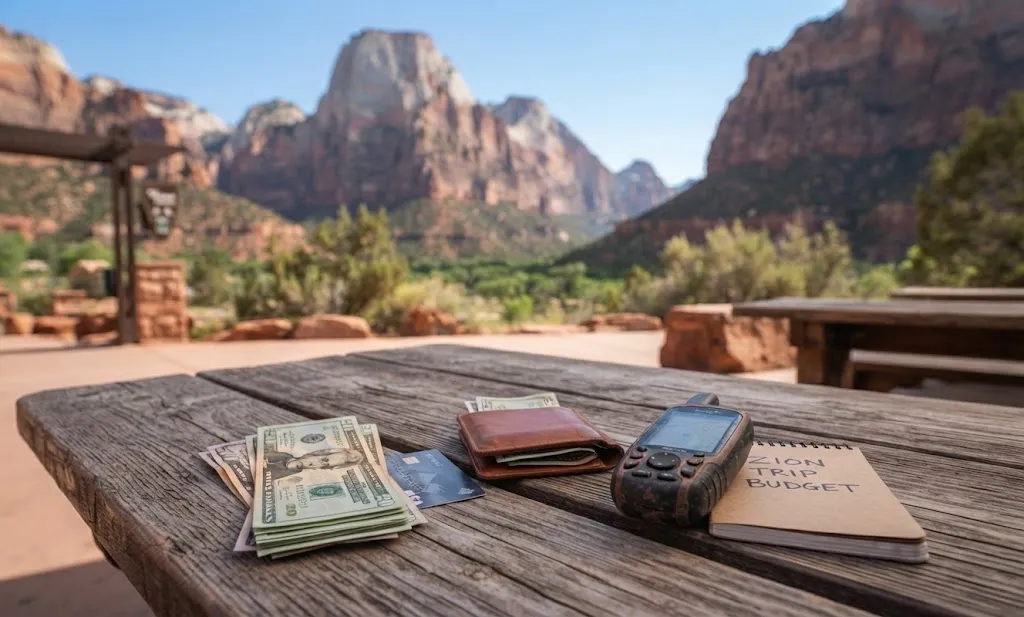
One fixed cost highlighted in the available material is the $35 vehicle entrance fee, which is valid for 7 days.
The total cost of a trip will depend heavily on lodging, transportation, food, permits, equipment rentals, and the number of days you stay.
Instead of building a budget around activities you may not use, decide first whether your trip will focus on:
- Hiking
- Photography
- Family sightseeing
- Scenic driving
- Camping
- A mixture of activities
Then allocate your budget accordingly.
Photography Tips for Zion
Zion is particularly rewarding for photographers during the softer light around sunrise and sunset.
Good subjects include:
- Angels Landing
- The Narrows
- Zion Canyon
- Canyon Overlook
- Zion-Mount Carmel Tunnel
- Checkerboard Mesa
- Virgin River
- Kolob Canyons
Avoid spending the entire day looking through a camera. Give yourself time to experience the landscape directly.
The Biggest Mistakes to Avoid
Arriving too late: The busiest period can fall around 9 AM–3 PM, so an early start can make the day easier.
Trying to do everything: Zion contains too many worthwhile experiences for a rushed single day.
Ignoring permits: Angels Landing and certain longer routes require advance planning.
Underestimating heat: Summer temperatures can exceed 100°F.
Ignoring water conditions: The Narrows is not an ordinary trail.
Forgetting transportation: Understand the shuttle system before committing to a detailed schedule.
Skipping quieter areas: Kolob Canyons can add variety to a trip dominated by the main canyon.
People Also Ask
How many days do you need in Zion National Park?
1 day is enough to experience several major highlights, but 3 days provides much more flexibility for major hikes, scenic areas, and quieter sections of the park.
What time should I arrive at Zion?
For a busy-season day trip, around 7 AM is a useful target. This gives you a better chance of getting started before the busiest 9 AM–3 PM period.
Is Angels Landing worth adding to a Zion itinerary?
Angels Landing is a major hiking experience, but it requires a permit and involves steep, exposed terrain. Choose it according to your hiking experience, comfort level, weather, and available time.
How long is The Narrows?
The distance depends on how far you travel. A bottom-up outing can cover several miles, while the entire river corridor is much longer. Conditions and turnaround decisions are more important than simply reaching a particular mileage target.
What is the entrance fee for Zion National Park?
The vehicle entrance fee highlighted in the supplied material is $35, with validity for 7 days.
Can you visit Zion in winter?
Yes. Zion is open year-round. Winter generally brings fewer visitors, although snow and cold conditions can affect some trails.
What is the easiest trail in Zion?
There is no single answer for every visitor, but flatter options such as the Pa’rus Trail and accessible sections around Riverside Walk can be more approachable than Zion’s steep, exposed hikes.
Is one day enough for Zion?
One day can provide an excellent introduction, especially if you arrive early and choose your priorities carefully. A longer stay gives you more time to explore without rushing.
Final Thoughts
The best way to experience Zion National Park is to build your trip around a few meaningful experiences rather than checking every attraction off a list.
For a first visit, combine a scenic canyon experience with one or two hikes, leave room for photography and rest, and use your available time wisely.
A 1-day trip can focus on Emerald Pools, Riverside Walk, The Narrows, and Canyon Overlook. A 2-day trip gives you room for a major hike such as Angels Landing or another substantial route. With 3 days, you can slow down and explore areas such as Kolob Canyons.
Most importantly, respect the weather, water conditions, permits, wildlife, and the limits of your own experience. With thoughtful planning, Zion can be much more than a checklist of famous trails—it can become a trip you remember for years.

Hi, I’m Marcus! I love exploring the outdoors and discovering incredible places. Through ExploreNatureTrips blog, I share my travel experiences, useful tips, and recommendations for the best sights, trails, and destinations to visit.


