Mammoth Cave National Park: First-Time Visitor Guide
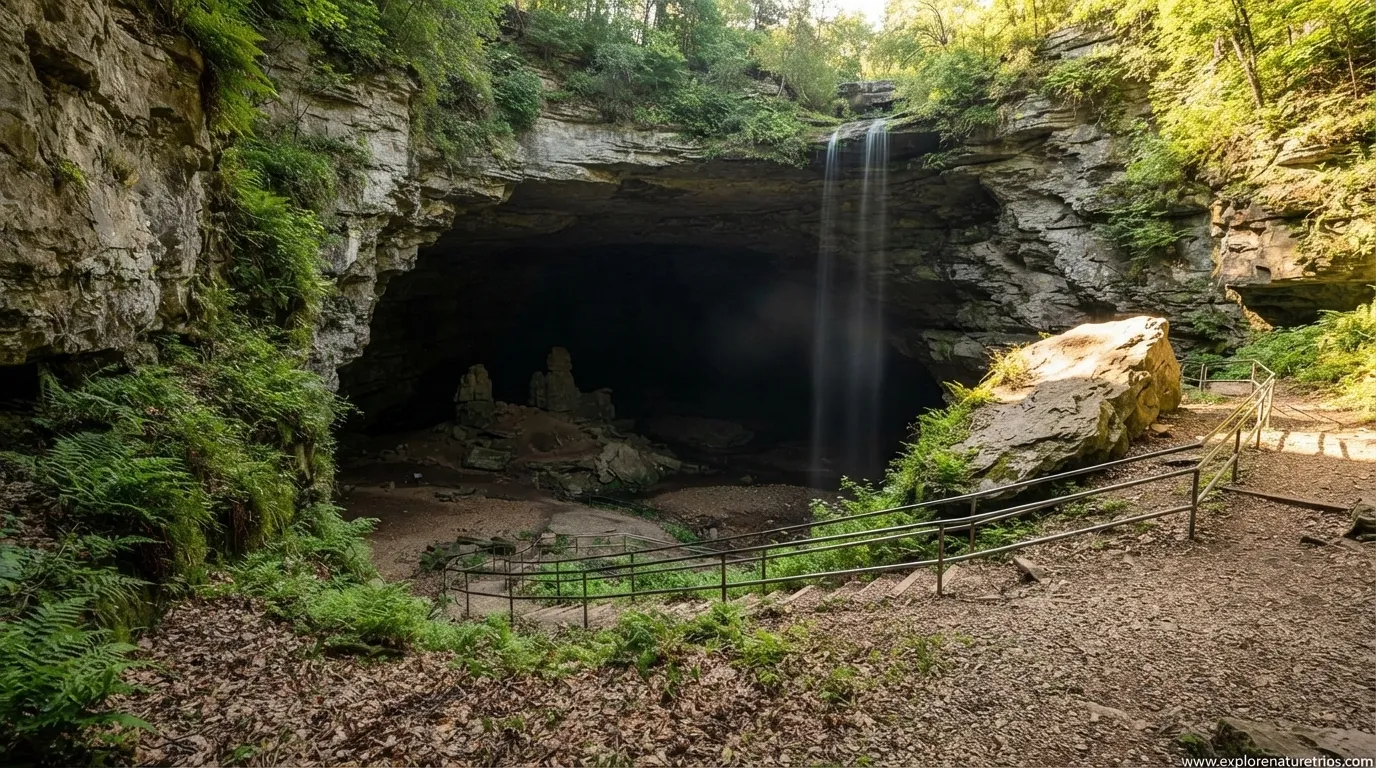
Mammoth Cave National Park in Kentucky is the kind of destination where the underground experience can easily become the highlight of an entire trip. The cave system contains 400+ miles of mapped passages, while the park above ground covers roughly 52,800 acres of forests, rivers, trails, sinkholes, and rolling Kentucky landscape.
For a first visit, however, the size of the park can make planning confusing. There are several cave tours, different difficulty levels, hiking trails, campgrounds, rivers, and seasonal considerations to understand.
The good news is that you do not need to experience everything in one day.
A well-planned first visit can be as simple as choosing one cave tour, exploring a short surface trail, and leaving enough time to enjoy the visitor center and surrounding landscape.
| First-Visit Detail | What to Know |
|---|---|
| Location | South-central Kentucky |
| Cave passages | 400+ miles mapped |
| Park size | About 52,800 acres |
| Underground temperature | About 54°F / 12°C |
| Hiking | 80+ miles of trails |
| Main rivers | Green River and Nolin River |
| National Park designation | 1941 |
| Best first step | Visit the Visitor Center |
| Cave tours | Guided options with different difficulty levels |
| Best preparation | Reserve early and wear proper shoes |
Where Is Mammoth Cave National Park?
Mammoth Cave National Park is in south-central Kentucky, near Cave City and Park City. The Mammoth Cave Visitor Center is the main starting point for most first-time visitors.
The park is roughly 1.5 hours from Louisville, while Nashville is also around 1.5 to 2 hours away by car. Lexington is a little more than 2 hours away, making the park practical for a weekend trip as well as a longer Kentucky itinerary.
The park stretches across both sides of the Green River. Most first-time visitors will spend their time around the Visitor Center and the southern side, where the major cave-tour facilities are located.
Your First Stop: Mammoth Cave Visitor Center
The Visitor Center is more than a ticket counter. It is the natural starting point for understanding the cave before going underground.
You can use the area to:
- Get information about your tour.
- Learn about the cave’s geology and history.
- Check trail options.
- Find restrooms and visitor facilities.
- Orient yourself before walking to your tour meeting area.
- Review information about other park activities.
Give yourself extra time rather than arriving immediately before your tour. One recommends allowing at least 30 minutes for parking, walking, ticketing, restrooms, and reaching the tour area.
How Big Is Mammoth Cave?
The scale of Mammoth Cave is one of the first things that surprises visitors.
More than 400 miles of passages have been mapped, while one source puts the explored system at more than 420 miles. The mapped network continues to change as exploration and surveying add information.
Above ground, the park encompasses approximately 52,800 acres.
That means Mammoth Cave is not simply a cave attraction with a small area around an entrance. It is a large landscape containing:
- Forests
- Sinkholes
- Springs
- Rivers
- Hiking trails
- Campgrounds
- Wildlife habitat
- Historic features
- Underground passages
Think of your visit as two experiences in one: the cave below and the karst landscape above.
Mammoth Cave Temperature: What Should You Wear?
The underground temperature stays close to 54°F (12°C) throughout the year.
That can feel surprisingly cold if you arrive during a hot Kentucky summer.
A lightweight jacket, fleece, or sweater is therefore useful even when the weather outside is warm. You should also wear closed-toe shoes with good traction because some cave routes contain stairs, damp surfaces, uneven ground, or narrow sections.
What to Pack for a Cave Tour
For a comfortable first visit, consider bringing:
- Light jacket or fleece
- Closed-toe walking shoes
- Water
- Small personal essentials
- Long pants
- Weather-appropriate clothing for the surface
Keep snacks for outside the cave unless your specific tour instructions say otherwise.
Which Mammoth Cave Tour Should a First-Time Visitor Choose?
There is no single best tour for everyone.
Your ideal choice depends on four things:
- How long you want to stay underground.
- How comfortable you are with stairs.
- Whether you dislike narrow or confined spaces.
- Whether you want an easy introduction or a strenuous adventure.
The following comparison combines the most useful tour details presented across the guides.
| Tour | Approx. Distance | Duration | Difficulty | Best For |
|---|---|---|---|---|
| Frozen Niagara | 0.25 mile | 1.25 hours | Easy | Short, easier introduction |
| Historic | 2 miles | 2 hours | Moderate | First-time cave experience |
| Domes & Dripstones | 0.75–2 miles depending on route description | 2 hours | Moderate | Formations and geology |
| Gothic Avenue | 1 mile | 2 hours | Moderate | History and historic passages |
| River Styx | 2.5 miles | 2.5 hours | Moderate | Longer cave exploration |
| Violet City Lantern | 3 miles | 3 hours | Difficult | Lantern-lit historic atmosphere |
| Wild Cave | 5–5.5 miles | 6 hours | Extremely strenuous | Experienced adventurers |
Tour availability, schedules, requirements, and prices can vary, so treat these figures as planning information rather than a substitute for checking the tour offered on your visit date.
Frozen Niagara Tour: Best for an Easier Experience
The Frozen Niagara Tour is one of the shortest options discussed.
It covers about 0.25 mile and takes approximately 1.25 hours. Its easier character makes it attractive to visitors who want to experience the cave without committing to a long or strenuous underground route.
The highlight is Frozen Niagara, a flowstone formation that resembles a frozen waterfall.
Choose this option if: you want a relatively short introduction, are traveling with people who may struggle with longer walks, or mainly want to see one of the cave’s most recognizable formations.
Historic Tour: A Strong First-Timer Choice
The Historic Tour covers approximately 2 miles and lasts around 2 hours.
It introduces visitors to important sections of Mammoth Cave, including the Rotunda, Fat Man’s Misery, and the Bottomless Pit.
The route is not simply a sightseeing walk. Stairs, narrow sections, and uneven underground terrain can make it moderately strenuous.
Some information places the stair count around 440 to 540, demonstrating why visitors should check the current tour description before booking if stairs are a concern.
Choose this option if: you want a broad introduction to Mammoth Cave’s history, scale, and underground environment.
Domes and Dripstones: Choose It for Cave Formations
Domes and Dripstones combines cave scenery with geological features.
One lists approximately 0.75 mile and 2 hours, while another describes a longer route of around 2 miles. Because tour configurations can differ, visitors should rely on the current tour listing for the exact itinerary.
The route can include areas associated with Frozen Niagara and Rainbow Dome.
Choose this option if: formations and geology interest you more than simply seeing the longest possible passage.
Gothic Avenue: A History-Focused Experience
Gothic Avenue is particularly interesting for visitors who want to understand how people interacted with the cave in earlier periods.
The route is described at approximately 1 mile and 2 hours, with around 170 stairs in one detailed tour breakdown.
Historic markings and the cave’s early tourism history add another layer to the experience.
Choose this option if: you enjoy history, exploration stories, and human connections to natural places.
River Styx Tour
The River Styx option is described at around 2.5 miles and 2.5 hours.
One reports approximately 600 stairs, making this a substantially more demanding choice for visitors who are not comfortable with repeated elevation changes.
Choose this option if: you want a longer underground experience and are physically comfortable with stairs.
Violet City Lantern Tour
The Violet City Lantern Tour is approximately 3 miles and 3 hours in the detailed information.
Rather than relying entirely on modern electric lighting, the lantern experience creates a different atmosphere and connects visitors with the way earlier explorers experienced underground passages.
It is categorized as difficult.
Choose this option if: atmosphere, history, and a more immersive experience appeal to you.
Wild Cave Tour: The Most Demanding Option
The Wild Cave Tour is for visitors looking for an adventure rather than a conventional walking tour.
The data puts it at approximately 5 to 5.5 miles and 6 hours.
Expect:
- Crawling
- Climbing
- Scrambling
- Narrow passages
- Tight spaces
- Physically demanding movement (read must reviews)
One detailed guide lists a minimum age of 16 and a maximum chest/hip measurement of 42 inches.
This is not the tour to choose simply because it sounds exciting. Make sure you are comfortable with the physical requirements before booking.
How Much Do Mammoth Cave Tours Cost?
The detailed information lists adult tour prices ranging from approximately $18 to $66, depending on the tour.
Examples include:
| Tour | Approx. Adult Price Mentioned |
|---|---|
| Frozen Niagara | $18 |
| Gothic Avenue | $19 |
| Historic | $20 |
| River Styx | $22 |
| Violet City Lantern | $25 |
| Wild Cave | $66 |
Because fees can change, use these numbers as a planning reference and verify the current price before purchasing.
How Many Stairs Are in Mammoth Cave?
Stairs are one of the most important details to check before selecting a tour.
Examples include:
- Frozen Niagara: 64 stairs, with an optional additional 98.
- Gothic Avenue: around 170 stairs.
- Violet City Lantern: around 200 stairs.
- Historic: approximately 440–540 stairs, depending on the route description.
- Domes & Dripstones: approximately 500 stairs in one guide.
- River Styx: around 600 stairs.
If you have mobility concerns, do not choose a tour based only on its distance. Stair count and terrain matter just as much.
Is Mammoth Cave Suitable for Children?
Yes, but the best tour depends on the child’s age, stamina, comfort with darkness, and ability to handle stairs.
Some tours are described as easier and more family-friendly, while more demanding options have age requirements.
The information includes:
- 6+ for some more demanding tours.
- 8–12 for the Trog Tour.
- 16+ for Wild Cave.
- Visitors under 16 may need an adult 18+ on certain tours.
For families, an easier tour followed by a short surface hike can be more enjoyable than trying to fit multiple difficult cave tours into one day.
Can You Visit Mammoth Cave Without Taking a Long Tour?
Yes, the material describes shorter and more accessible experiences, including the Frozen Niagara Tour and accessible options.
Some routes are much more demanding than others, so first-time visitors should compare:
- Distance
- Duration
- Stairs
- Difficulty
- Age requirements
- Accessibility information
Do not assume that every cave tour provides the same physical experience.
What Are the Best Things to Do Above Ground?
Mammoth Cave National Park is much more than its underground passages.
The park has more than 80 miles of hiking trails, along with rivers, wildlife areas, campgrounds, scenic roads, and surface attractions.
Cedar Sink Trail
Distance: 1.6 miles
Cedar Sink provides an opportunity to see the karst landscape from above and understand how surface features connect with the underground cave system.
Green River Bluffs Trail
Distance: 3.6 miles
This trail provides scenic views associated with the Green River and is a useful choice when you want a moderate surface hike after a cave tour.
Echo River Spring Trail
Distance: 0.6 mile
This shorter route leads toward an area associated with an underground river.
Big Hollow and Other Surface Trails
Other coverage includes Big Hollow and broader trail networks ranging from short walks to longer backcountry routes.
One detailed guide identifies:
- 60 miles of backcountry trails.
- 30 backcountry trails.
- Individual backcountry routes ranging from 0.1 to 8.6 miles.
- South Side trails totaling about 11 miles.
You do not need to hike for hours to appreciate the park. A short trail can provide a useful change of pace after spending time underground.
Can You Kayak or Canoe at Mammoth Cave?
Yes.
The Green River and Nolin River provide opportunities for kayaking and canoeing.
These rivers offer a completely different perspective from the cave. Instead of walking through passages created by water, you can experience the waterways that are part of the landscape above them.
Paddling can be especially appealing after a cave tour because it changes the pace from enclosed darkness to open scenery.
What About Fishing?
Fishing is another activity covered by the guides.
The Green River is highlighted as an important aquatic environment, with one noting more than 150 fish species.
Anglers should still check current park rules and applicable requirements before fishing.
Wildlife at Mammoth Cave
Wildlife exists both above and below ground.
Above the surface, visitors may encounter:
- White-tailed deer
- Wild turkeys
- Songbirds
- Woodpeckers
- Other forest and river wildlife
Underground, the cave ecosystem includes specialized species such as:
- Bats
- Cave crickets
- Blind cave fish
- Cave shrimp
- Other cave-adapted organisms
The important thing for visitors is to observe without disturbing wildlife or cave formations.
Why White-Nose Syndrome Matters
Cave visitors may encounter biosecurity procedures designed to reduce the spread of diseases affecting bats, including white-nose syndrome.
If you have recently visited another cave, follow all instructions regarding footwear, clothing, equipment, and decontamination.
This is not simply a visitor inconvenience. Small actions help protect a fragile underground ecosystem.
What Should You Not Bring Into the Cave?
Restrictions vary by tour, but the guides identify several items that may be restricted or prohibited.
These include:
- Large backpacks
- Strollers
- Tripods
- Monopods
- Some walking sticks
- Metal-framed backpacks
- Food and drinks underground
Some tours may permit small personal packs or have different requirements.
The safest approach is to check the requirements for your exact tour before arriving.
Can You Take Photos Inside Mammoth Cave?
Photography is discussed by the material, but restrictions can vary by tour.
Handheld photography may be permitted on many experiences, while tripods or flash may be restricted.
Most importantly, do not touch cave formations for the sake of a photograph.
A formation that looks solid and permanent can be extremely delicate and may have taken a very long time to develop.
Mammoth Cave History in Numbers
Mammoth Cave’s history stretches far beyond modern tourism.
The limestone underlying the region formed approximately 325 million years ago. Later geological processes and water gradually created the underground network.
coverage also points to the cave’s human history:
- National Park designation: 1941
- Saltpeter mining: early 1800s
- War of 1812 connection to gunpowder production
- Stephen Bishop’s famous mapping work: 1840s
- Historic candle-smoke signatures: 19th century
The result is a destination where geology and human history are closely connected.
Who Was Stephen Bishop?
Stephen Bishop is an important figure in Mammoth Cave’s exploration history.
He was an enslaved guide and explorer whose work in the 1840s helped document and map sections of the cave.
His story adds an important human dimension to Mammoth Cave beyond its geological significance.
When Is the Best Time to Visit Mammoth Cave?
The park is open throughout the year, but each season offers a different experience.
Spring: April Through June
Spring brings greener landscapes, flowing rivers, and comfortable conditions for surface activities.
It can be a strong choice if hiking and paddling are important parts of your itinerary.
Summer
Summer offers long daylight hours and active campgrounds, but it is also the busiest period mentioned.
If visiting in summer, book cave tours early.
Fall: September Through October
Fall combines comfortable surface weather with colorful hardwood forests.
For many first-time visitors, spring and fall provide a good balance between outdoor comfort and crowd levels.
Winter
Winter is quieter, although tour availability and surface conditions can differ from other seasons.
The cave itself remains around 54°F, so underground temperatures are not strongly affected by the season.
How Long Should You Spend at Mammoth Cave?
For a first visit, a full day gives you much more flexibility than rushing through a cave tour and leaving.
A simple day could look like:
| Time | Activity |
|---|---|
| Morning | Arrive and explore the Visitor Center |
| Late morning | Cave tour |
| Lunch | Picnic or nearby meal |
| Afternoon | Short hiking trail |
| Later afternoon | Scenic drive or river-area exploration |
| Evening | Return to lodging or campground |
If you want a longer cave tour, hiking, paddling, or camping, consider 2 days rather than trying to fit everything into one schedule.
Where Can You Stay?
Accommodation options covered by the include:
The Lodge at Mammoth Cave
The on-site lodge is convenient for visitors who want to stay close to the Visitor Center and cave-tour area.
Mammoth Cave Campground
This is the most convenient campground for visitors concentrating on the main visitor area.
Maple Springs Campground
Maple Springs is associated with backcountry-oriented camping and is approximately 10 minutes from the Visitor Center by one description.
Houchin Ferry Campground
Houchin Ferry is another campground option, around 20 minutes from the Visitor Center according to information.
Backcountry Camping
The detailed guides mention 13 designated backcountry campsites, with permits required.
Backcountry camping makes more sense for visitors who want to experience the park beyond the main visitor facilities.
How Much Hiking Is Available?
If hiking is a major reason for your trip, Mammoth Cave has enough trails to support anything from a short walk to a multi-day outdoor experience.
The pages collectively mention:
- 80+ miles of hiking trails.
- Around 60 miles of backcountry trails.
- About 11 miles of South Side trails.
- 30 backcountry trails.
- Trail lengths from 0.1 to 8.6 miles in the backcountry.
- A 9-mile Mammoth Cave Railroad Bike & Hike Trail.
- A cycling Connector Trail exceeding 10 miles in Travel + Leisure’s coverage.
This makes the park worthwhile even for travelers who are not particularly interested in spending several hours underground.
What Should First-Time Visitors Know About Accessibility?
Accessibility varies considerably between cave tours.
Some options involve large numbers of stairs, uneven surfaces, narrow passages, or strenuous movement. Other experiences provide smoother routes and reduced physical demands.
When choosing a tour, check:
- Total distance
- Stair count
- Surface conditions
- Duration
- Narrow sections
- Age requirements
- Mobility requirements
If you are unsure, speak with park staff before purchasing a ticket. The right tour is the one that matches your actual abilities, not the one with the most impressive description.
Is Mammoth Cave Worth Visiting in the Rain?
The cave itself is largely separate from surface weather, so rain does not necessarily mean you need to cancel your cave visit.
However, surface activities such as hiking, river paddling, and ferry operations can be affected by weather and river conditions.
A rainy day can therefore still work well for a cave-focused itinerary, while outdoor plans should remain flexible.
10 Practical Tips for Your First Visit
1. Reserve Your Cave Tour Early
Popular tours can sell out, particularly during busy seasons.
2. Arrive at Least 30 Minutes Early
Give yourself time for parking, walking, restrooms, ticketing, and finding the tour staging area.
3. Dress for 54°F Underground
Do not dress solely according to the outdoor forecast.
4. Wear Shoes With Traction
Damp surfaces and stairs make good footwear important.
5. Check Stair Counts Before Booking
A 2-mile cave tour can be much more demanding than the distance suggests.
6. Do Not Overpack
Some cave tours restrict backpacks, tripods, strollers, and other equipment.
7. Bring Water
Longer tours and surface hikes can be physically demanding.
8. Protect the Cave
Never touch formations and follow all biosecurity instructions.
9. Leave Room for Surface Exploration
Do not spend the entire day underground without seeing the landscape that surrounds the cave.
10. Choose Quality Over Quantity
For a first visit, one well-chosen cave tour plus a surface hike can be more enjoyable than trying to complete several exhausting activities.
A Simple First-Time Itinerary
If you have only one day, keep your plan realistic.
Morning
Start at the Visitor Center, allow time to orient yourself, and take your reserved cave tour.
Midday
Have lunch and rest. You will appreciate the break if your tour involved substantial walking or stairs.
Afternoon
Choose one short trail such as Cedar Sink or Echo River Spring, or take a longer surface walk if your energy allows.
Late Afternoon
Explore another visitor-area feature, enjoy a scenic drive, or spend time near the river.
Evening
Return to your campground, lodge, or nearby accommodation.
The goal is not to collect as many attractions as possible. It is to leave enough time to actually experience the park.
Mammoth Cave National Park FAQ
How many miles of cave are in Mammoth Cave?
The pages describe 400+ miles of mapped passages, with The Nature Seeker reporting more than 420 miles of explored passageways.
How cold is Mammoth Cave?
The cave stays around 54°F (12°C) throughout the year, so a light jacket is useful even during summer.
How long is the Historic Tour?
The Historic Tour is approximately 2 miles and takes around 2 hours, with a moderate difficulty level.
How long is the Wild Cave Tour?
The Wild Cave Tour takes approximately 6 hours and covers around 5 to 5.5 miles, depending on the description.
Which Mammoth Cave tour is easiest?
The Frozen Niagara Tour is the shortest and easiest option described by the , at approximately 0.25 mile and 1.25 hours.
How many stairs are in Mammoth Cave?
Stair counts vary by tour. figures range from 64 on the Frozen Niagara route to approximately 600 on the River Styx route.
Can children visit Mammoth Cave?
Yes. Several tours are suitable for families, although age requirements differ. Some tours specify minimum ages such as 6+, 8–12, or 16+.
Do I need to reserve a cave tour?
Reservations are strongly recommended because popular tours can sell out, especially during peak periods.
Is Mammoth Cave open year-round?
The guides describe the park as open year-round, although individual tours, facilities, and seasonal activities can vary.
Can I hike at Mammoth Cave?
Yes. The park has more than 80 miles of hiking trails, ranging from short walks to extensive backcountry routes.
Can I kayak at Mammoth Cave?
Yes. The Green River and Nolin River provide opportunities for kayaking and canoeing.
Where should I stay at Mammoth Cave?
Options include the on-site lodge, Mammoth Cave Campground, Maple Springs Campground, Houchin Ferry Campground, and nearby accommodation around Cave City and Park City.
Is Mammoth Cave good for a one-day trip?
Yes. A one-day itinerary works well if you choose one cave tour and one or two surface activities rather than trying to see everything.
Final Thought
Mammoth Cave National Park rewards visitors who slow down and plan around their interests.
The cave system stretches for 400+ miles, the park covers roughly 52,800 acres, and more than 80 miles of trails provide plenty to explore above ground. But those impressive numbers do not mean you need to experience everything.
For most first-time visitors, the best approach is simple: reserve a cave tour that matches your fitness level, arrive early, dress for the 54°F underground temperature, wear shoes with good traction, and leave enough time to explore the surface.
If you want an easier introduction, consider a shorter tour such as Frozen Niagara. If history interests you, the Historic or Gothic Avenue experiences can provide more context. If you want a serious physical challenge, the Wild Cave Tour offers a much more demanding experience.
Most importantly, treat the cave as a fragile environment rather than just an attraction. Follow ranger instructions, respect biosecurity rules, avoid touching formations, and leave the park as you found it.
That combination of preparation, curiosity, and respect is what turns a first visit to Mammoth Cave into a memorable one.

Hi, I’m Marcus! I love exploring the outdoors and discovering incredible places. Through ExploreNatureTrips blog, I share my travel experiences, useful tips, and recommendations for the best sights, trails, and destinations to visit.
One Comment