
21 Best Things to Do in Kyoto, Japan (2027 Guide)

Kyoto, Japan, is a destination where traditional architecture, peaceful gardens, historic temples, and modern city life come together. Once Japan’s imperial capital, the city is known for its cultural heritage, traditional neighborhoods, Japanese tea ceremonies, and beautiful seasonal scenery.
Planning a visit can be challenging because its attractions are spread across different districts. Some places deserve only a short stop, while others require several hours of walking and exploration. Choosing the right combination of activities can help you enjoy Kyoto without spending your entire trip traveling between crowded landmarks.
This guide covers 21 things to do in Kyoto, including famous attractions, traditional experiences, food destinations, scenic walking routes, and practical travel tips. It also includes suggested visit durations, transport information, seasonal guidance, and budget considerations to help you plan a more enjoyable trip.
Photos





21 Best Things to Do in Kyoto Japan
Planning a trip to Kyoto? Below are the 21 best things to do, covering must-see spots, hidden gems, and local experiences.
Walk Through Fushimi Inari Taisha

Fushimi Inari Taisha is one of Kyoto’s most recognizable landmarks. Its famous red torii gates form long pathways through the wooded slopes of Mount Inari, creating a memorable setting for walking and photography.
The shrine is associated with Inari, a deity connected with rice, prosperity, and good fortune. Beyond the busiest entrance area, the paths lead to smaller shrines, forested sections, and viewpoints.
Tips for visiting:
- Arrive around 8 a.m. or earlier if you want a quieter experience.
- Allow approximately 2 hours for a longer uphill walk and return, depending on your pace.
- Wear comfortable shoes because the route includes steps and slopes.
- Continue beyond the first gates if the entrance area feels crowded.
You do not need to complete the entire mountain route to enjoy the shrine. Even a shorter walk provides opportunities to experience its distinctive architecture and atmosphere.
Explore Arashiyama Bamboo Grove

The Arashiyama Bamboo Grove is famous for its tall bamboo stalks, narrow walking paths, and filtered natural light. It is one of Kyoto’s most photographed places, but the central pathway can become busy during peak visiting hours.
The most rewarding approach is to explore the wider Arashiyama district instead of visiting only the bamboo path.
Nearby highlights include:
- Togetsukyo Bridge, which crosses the Katsura River.
- Tenryu-ji Temple, known for its garden.
- Okochi Sanso Garden, with landscaped grounds and mountain views.
- Monkey Park Iwatayama, for visitors interested in wildlife and panoramic views.
- Riverside walking routes and small local shops.
Try to arrive early in the morning. After visiting the grove, spend additional time exploring the surrounding area to make the journey more worthwhile.
Visit Kinkaku-ji, the Golden Pavilion
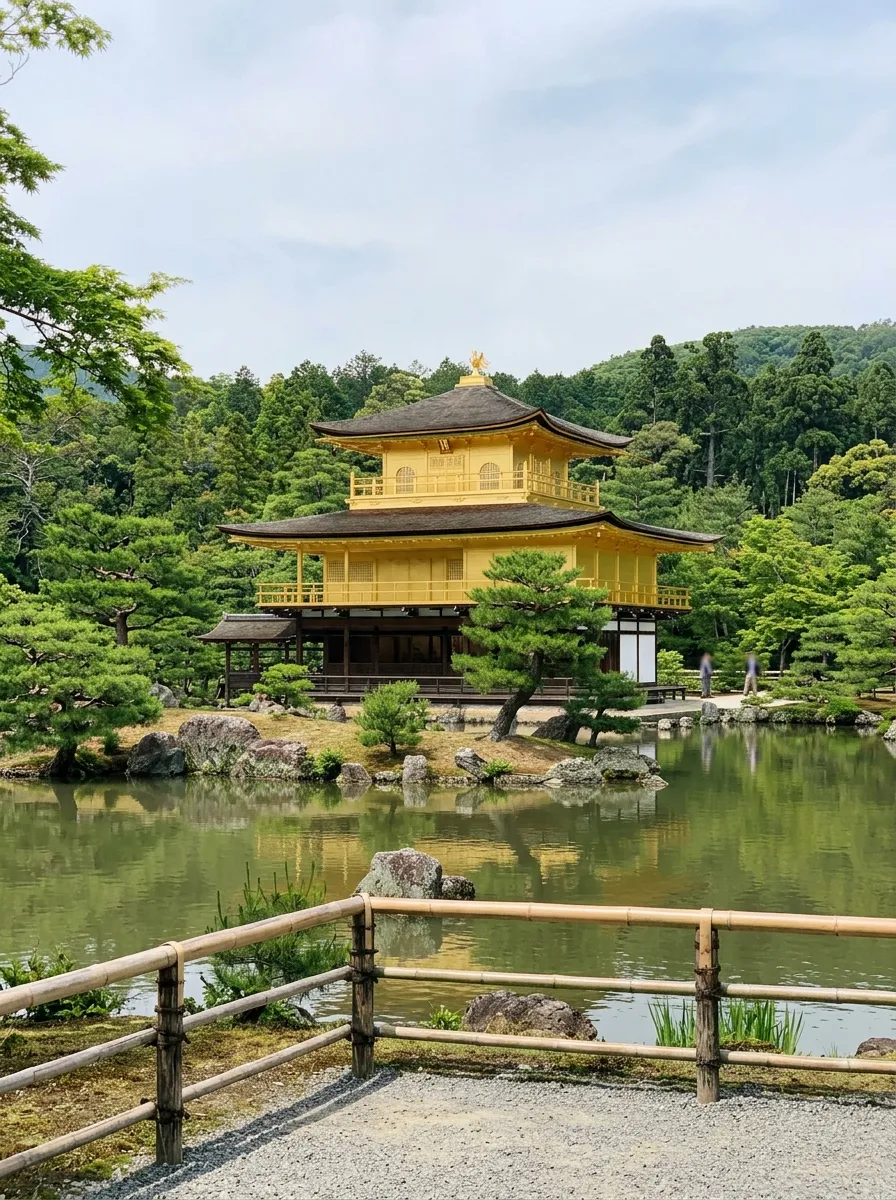
Kinkaku-ji is a Zen Buddhist temple famous for its gold-covered upper floors and reflection in the surrounding pond. The combination of architecture, water, trees, and carefully maintained grounds makes it one of Kyoto’s most distinctive sights.
The site’s origins are associated with a retirement villa built for shogun Ashikaga Yoshimitsu in the late 14th century. It was later converted into a Zen temple.
How to enjoy your visit:
- Visit earlier in the day for a calmer experience.
- Take time to appreciate the pavilion’s reflection in the pond.
- Follow the designated garden route.
- Combine the visit with another nearby attraction rather than crossing the city repeatedly.
The grounds are not an extensive hiking destination, so the main experience is viewing the pavilion and exploring the surrounding garden.
Discover Gion’s Traditional Streets
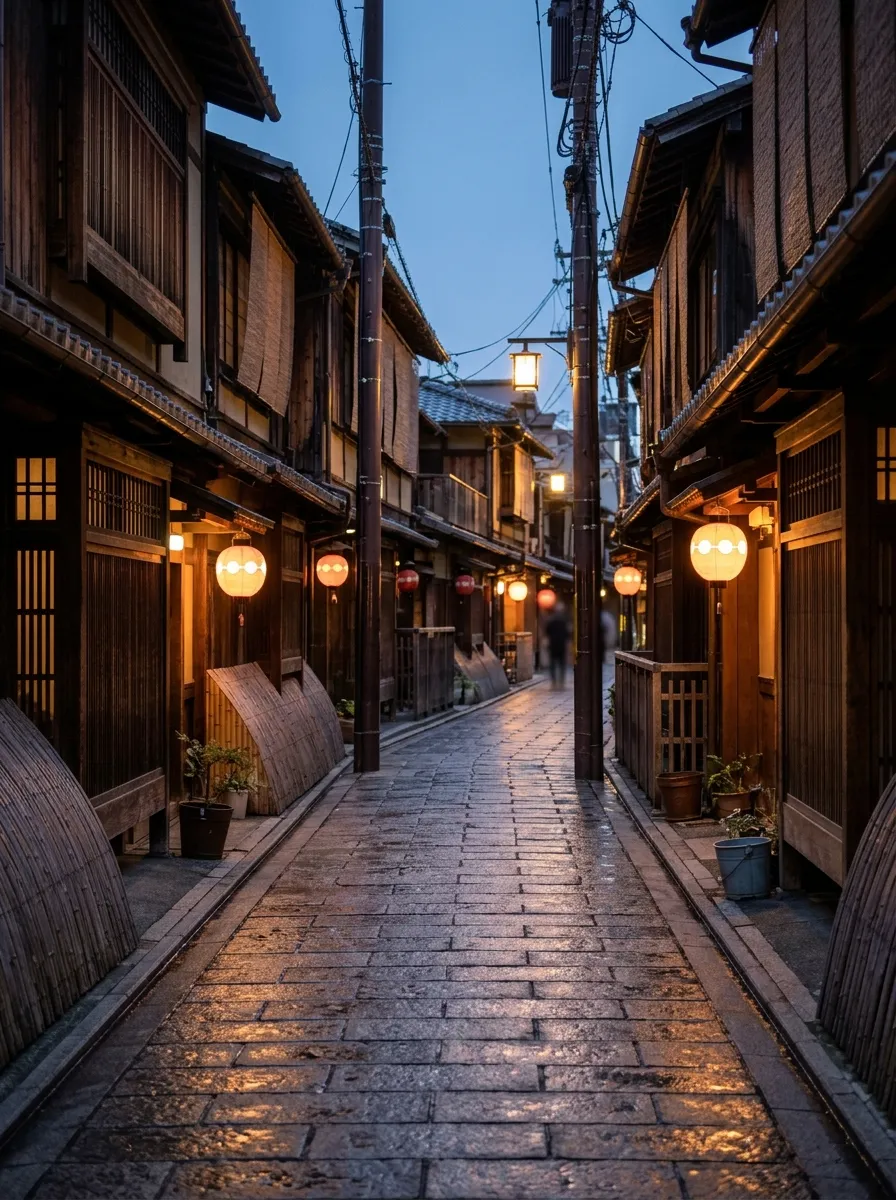
Gion is one of Kyoto’s best-known historic districts. Its traditional wooden buildings, narrow streets, teahouses, and lanterns offer a glimpse of the city’s older architectural character.
Hanamikoji Street and the surrounding lanes are particularly associated with traditional entertainment culture. Visitors may also explore nearby Pontocho Alley and the Kamogawa River.
Visitor etiquette matters here. Geiko and maiko are working professionals, not tourist attractions. Do not follow them, block their path, or photograph them where photography is prohibited. Respect private entrances and posted restrictions.
Allow 2–3 hours to walk around Gion, stop for refreshments, and explore nearby streets without rushing.
Experience Kiyomizu-dera Temple

Kiyomizu-dera stands on a hillside in eastern Kyoto and is known for its large wooden terrace overlooking the city. The temple’s setting makes it especially appealing to visitors interested in historic architecture and scenic views.
The surrounding Higashiyama area contains traditional streets, small shops, cafés, and other historic sites. Sannenzaka and Ninenzaka are popular routes for exploring this neighborhood.
Best ways to plan your visit:
- Arrive early to reduce the time spent in crowds.
- Combine the temple with a walk through Higashiyama.
- Wear comfortable shoes for the sloping streets.
- Consider visiting during spring or autumn for seasonal scenery.
Rather than treating Kiyomizu-dera as an isolated stop, combine it with nearby attractions to create a more efficient half-day itinerary.
Find Quiet at Ryoan-ji Zen Garden

Ryoan-ji is known for its minimalist rock garden, where carefully arranged stones sit within a bed of white gravel. The design encourages quiet observation rather than conventional sightseeing.
The garden is commonly described as having 15 stones, arranged so that not all are visible from every viewing position at once.
This attraction is particularly suitable for travelers who want a break from busy shopping streets and crowded landmarks.
To get the most from your visit:
- Sit quietly and observe the arrangement.
- Avoid rushing through the viewing area.
- Visit when you have time to appreciate the garden.
- Pair it with Kinkaku-ji if both locations fit your route.
The experience is less about the number of photographs you take and more about appreciating the simplicity of Japanese garden design.
Walk Along the Philosopher’s Path

The Philosopher’s Path is a peaceful canal-side walking route lined with trees, small temples, cafés, and residential streets. It is especially popular during cherry blossom season, when flowering trees transform parts of the route.
The walk is often described as approximately 2 km long, although the distance covered depends on where you start and finish.
Allow around 40–60 minutes for a straightforward walk, or longer if you stop at nearby temples and cafés.
Practical advice:
- Visit in the morning for a quieter walk.
- Wear comfortable footwear.
- Allow extra time for small temples and shops.
- Remember that blossom timing varies with weather each year.
This is a good choice for visitors who want to experience Kyoto at a slower pace rather than moving continuously between major tourist attractions.
Taste Local Specialties at Nishiki Market
Nishiki Market, often called Kyoto’s Kitchen, is a covered shopping street associated with the city’s food culture. Its stalls offer a variety of Japanese ingredients, prepared snacks, sweets, and regional specialties.
Depending on the vendors, you may find:
- Pickled vegetables.
- Seafood and grilled skewers.
- Mochi and other Japanese sweets.
- Matcha-flavored treats.
- Traditional ingredients and seasonings.
- Small food gifts and souvenirs.
Allow approximately 1–2 hours to browse and sample food, depending on your interests and the crowds.
Be considerate when eating in the market. Follow each vendor’s instructions about where food can be consumed, and avoid blocking narrow walkways.
The best way to enjoy Nishiki Market is to sample a few interesting items rather than trying to eat everything in one visit.
Cross Togetsukyo Bridge in Arashiyama
Togetsukyo Bridge is a well-known landmark in the Arashiyama district. The bridge crosses the Katsura River and offers views of the surrounding hills, water, and seasonal foliage.
It is an easy addition to a visit to the Bamboo Grove and nearby temples. The surrounding riverbanks are also suitable for walking and photography.
Recommended activities:
- Take a leisurely riverside walk.
- Photograph the bridge against the mountain backdrop.
- Explore nearby streets and shops.
- Visit during autumn for colorful foliage when conditions are favorable.
You do not need a complicated schedule here. The bridge and riverside area are best enjoyed as part of a relaxed Arashiyama visit.
Visit Kyoto Imperial Palace
Kyoto Imperial Palace provides an opportunity to explore the city’s imperial history. The palace grounds contain historic buildings, landscaped spaces, and broad paths within Kyoto Imperial Park.
It is a useful addition for visitors who want a break from temple-heavy sightseeing.
Before visiting, check the current access arrangements, opening hours, and any requirements for specific areas. Access policies may differ between the public grounds and palace buildings.
Allow extra time if you want to walk through the wider park rather than seeing only the main palace area.
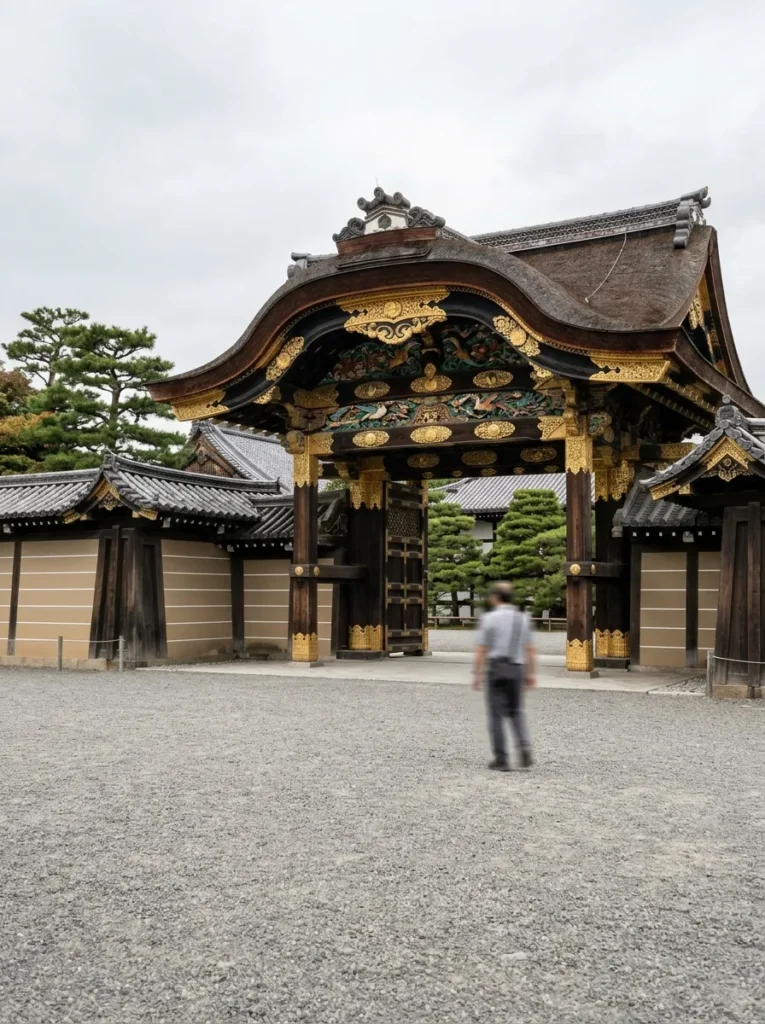
Explore Nijo Castle
Nijo Castle is associated with Japan’s shogunal history and offers a different architectural experience from Kyoto’s Buddhist temples.
Its highlights include castle gates, gardens, palace buildings, and the famous nightingale floors, designed to make a chirping sound underfoot in certain historic interiors.
The castle is particularly interesting for visitors who enjoy Japanese history and traditional architecture.
Plan your visit by:
- Checking which buildings are open.
- Allowing time for both palace interiors and gardens where accessible.
- Following photography rules inside historic structures.
- Verifying current admission fees before departure.
The site can occupy a substantial part of a morning or afternoon, depending on how thoroughly you explore it.
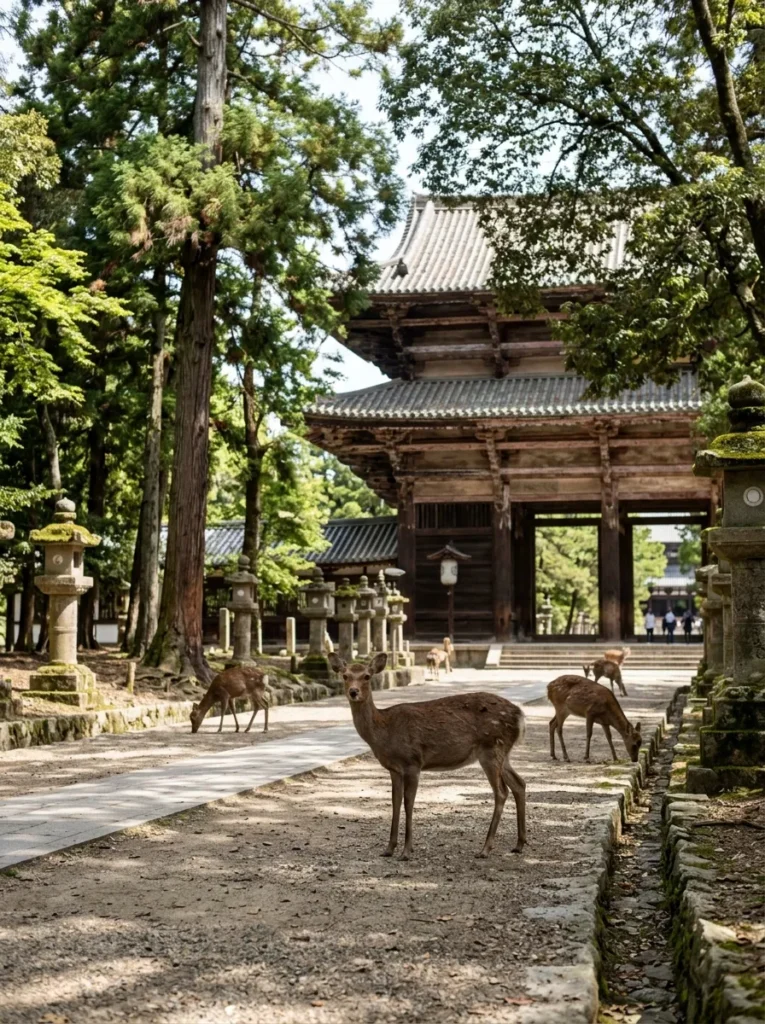
Take a Day Trip to Nara
Nara is a popular day-trip destination for visitors staying in Kyoto. It offers historic temples, green parkland, and free-roaming deer in designated public areas.
A day trip can provide a change of scenery without requiring a hotel move.
Before feeding deer, follow local guidance and use only appropriate deer crackers where permitted. Keep food securely stored and avoid teasing or crowding the animals.
Plan your transport in advance and allow enough time for the return journey. If you have only 2–3 days in Kyoto, prioritize the city’s main attractions before adding a day trip.
Discover Uji’s Tea Culture
Uji is known for its association with Japanese green tea, especially matcha. A visit provides a different cultural experience from Kyoto’s major temples and historic districts.
Visitors can explore tea shops, taste matcha drinks and sweets, and learn about traditional tea preparation.
Consider combining a tea-focused visit with a traditional tea ceremony in Kyoto if your schedule is limited.
Useful experiences include:
- Sampling freshly prepared matcha.
- Visiting specialist tea shops.
- Purchasing tea as a souvenir.
- Learning about the preparation and presentation of Japanese tea.
For travelers interested in food and culture, Uji offers a meaningful way to explore a different side of the region.
Attend a Traditional Japanese Tea Ceremony
A Japanese tea ceremony is an opportunity to experience the preparation and presentation of matcha as a cultural practice. It often emphasizes careful movements, hospitality, respect, and mindfulness.
Some experiences take place in traditional houses or temple settings and may include explanations of the ceremony’s etiquette.
A session may last around 60 minutes, although the length varies by provider and package.
Before booking, check:
- The session duration.
- Whether English instruction is available.
- Whether matcha and sweets are included.
- Whether advance reservations are required.
- Any clothing or participation requirements.
You do not need prior knowledge of Japanese culture to participate. A good host will explain the important steps and help you understand the experience.
Stay in a Traditional Ryokan or Machiya
Accommodation can shape how you experience Kyoto. A ryokan is a traditional Japanese inn, while a machiya is a traditional townhouse that may be adapted for accommodation.
Depending on the property, features may include tatami flooring, futon bedding, yukata garments, Japanese-style rooms, and traditional meals.
Consider spending at least 1 night in a traditional property if it fits your budget.
When choosing accommodation, compare:
- Distance from the nearest station or bus stop.
- Room size and bathroom arrangements.
- Meal options and check-in requirements.
- Noise levels and house rules.
- Cancellation conditions and total cost.
Traditional accommodation can be memorable, but it is not automatically the best choice for every traveler. A modern hotel near a transport hub may be more convenient for a short stay.
Enjoy Kyoto’s Café and Food Scene
Kyoto’s food scene includes traditional Japanese dishes, local sweets, specialty coffee, and modern restaurants. Exploring cafés and restaurants can provide a welcome break from walking between temples.
Popular foods and drinks to look for include:
- Matcha: Green tea used in drinks, sweets, and desserts.
- Mochi: A Japanese rice-based confection.
- Ramen: Noodle soup available in different regional and restaurant styles.
- Gyoza: Japanese-style dumplings.
- Wagyu: Japanese beef served in a variety of dishes.
- Wagashi: Traditional Japanese sweets.
Restaurant names, menus, prices, and opening hours change, so check current details before making a special trip.
A practical strategy is to choose restaurants near the district you are already exploring instead of traveling across the city for every meal.
Cycle or Walk Along the Kamo River
The Kamo River offers a scenic contrast to Kyoto’s busier streets. Riverside paths are suitable for walking, relaxing, and, where permitted, cycling.
The area is especially pleasant around sunset, when the light softens and the riverbanks become a natural place to pause.
You can combine a riverside walk with nearby neighborhoods, cafés, or restaurants.
Keep in mind:
- Check bicycle rental terms if you plan to cycle.
- Follow designated cycling and pedestrian routes.
- Respect residential areas and other path users.
- Allow additional time if you want to stop for photographs.
This activity is a good option when you want to enjoy Kyoto without paying for another attraction ticket.
Visit Heian Shrine
Heian Shrine is recognizable by its large torii gate and traditional shrine architecture. Its grounds offer a different atmosphere from the narrow lanes of Gion and the hillside temples of Higashiyama.
Visitors interested in Japanese religious traditions and architecture may enjoy including it in a half-day route.
Check current access information for the shrine and any separately ticketed garden areas. Seasonal conditions can also influence how much time you want to spend outdoors.
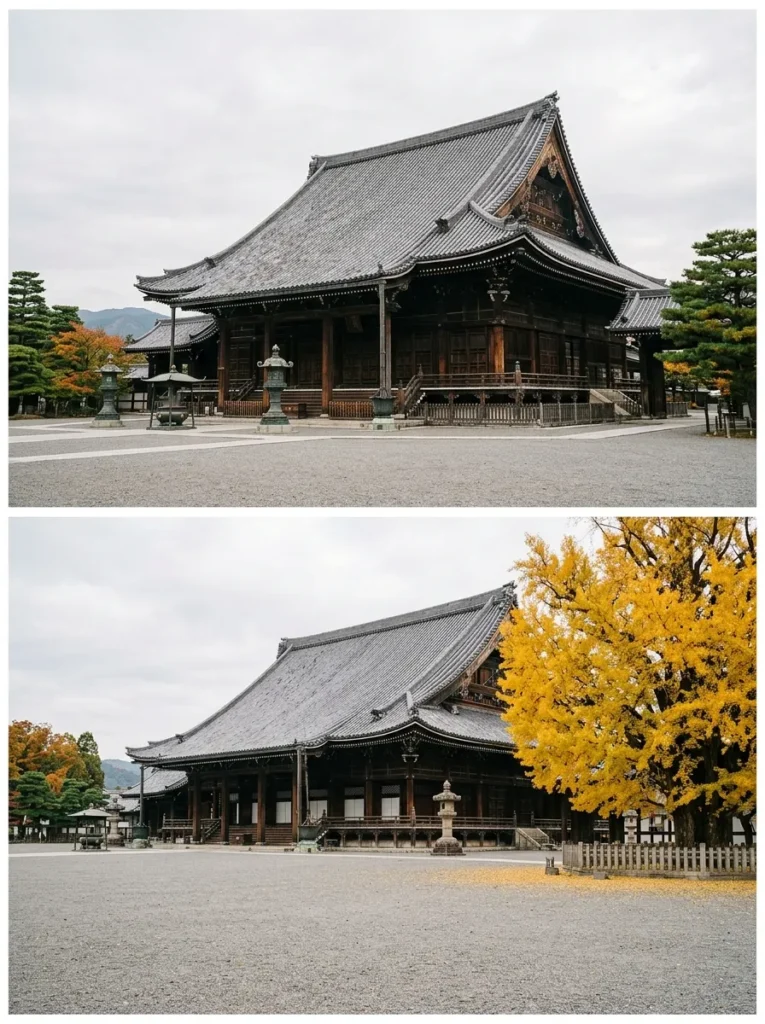
Explore Higashi Hongan-ji and Nishi Hongan-ji
These two major temples provide opportunities to explore Buddhist architecture and religious history near Kyoto Station.
Higashi Hongan-ji is known for its large wooden structures and expansive grounds. Nishi Hongan-ji offers another important temple complex and is a useful addition for travelers interested in traditional architecture.
They can be convenient stops at the beginning or end of a trip because of their location near the station.
Planning tip: Check access times and any restrictions before visiting, especially if you want to enter specific buildings.
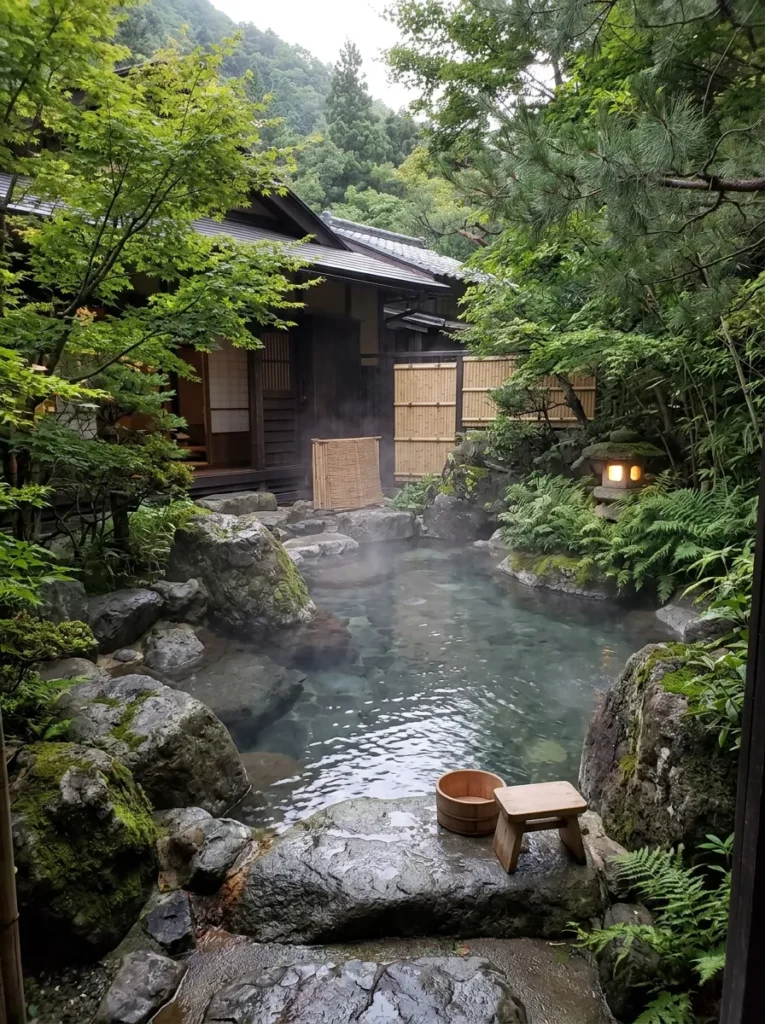
Relax at a Traditional Japanese Onsen
An onsen experience can be a relaxing addition to a busy sightseeing itinerary. Some facilities offer indoor and outdoor bathing areas, saunas, steam rooms, and other wellness amenities.
One facility discussed in the supplied travel material is Tenzan no Yu.
Before visiting, confirm the current admission price, towel arrangements, operating hours, and any restrictions regarding tattoos or other entry conditions.
Traditional bathing facilities generally have specific etiquette. Follow posted instructions, wash before entering communal baths, and keep towels out of the bathing water.
Allow 1–3 hours, depending on the facility and whether you plan to use additional amenities.
Enjoy Kyoto After Dark
Kyoto offers a different atmosphere in the evening, especially around historic streets, riverside areas, and restaurant districts.
An evening walk can complement a daytime itinerary without requiring another major attraction.
Consider:
- Walking through permitted public streets in Gion.
- Exploring Pontocho Alley for dining.
- Enjoying the Kamogawa River area.
- Sampling Japanese desserts or tea.
- Photographing traditional architecture where permitted.
Be respectful of residents and businesses, particularly in residential lanes. Some areas have restrictions on photography and access, so follow local signs.
How Many Days Do You Need in Kyoto?
The ideal length of your stay depends on whether you want to focus on major landmarks or include food, cultural activities, and day trips.
| Trip duration | Suggested approach |
|---|---|
| 1 day | Choose 2–3 major attractions in one area, such as Fushimi Inari and selected Higashiyama sights. |
| 2 days | Add Arashiyama, the Bamboo Grove, Gion, and a food-market visit. |
| 3–4 days | Explore the main districts at a more relaxed pace, including a tea ceremony and additional temples. |
| 5 days | Include quieter attractions, cafés, a traditional accommodation experience, and more time for walking. |
| 1 week | Add a day trip to Nara or Uji and allow more time for food, culture, and seasonal activities. |
These are suggested planning ranges, not fixed requirements. Travel time between districts and your preferred walking pace will affect how much you can comfortably fit into each day.
Best Time to Visit Kyoto
Kyoto can be visited throughout the year, but each season changes the scenery and the experience.
| Season | Typical period | What to expect |
|---|---|---|
| Spring | March–May | Cherry blossoms, gardens, and pleasant sightseeing opportunities. |
| Summer | June–August | Green landscapes, warm weather, and potentially humid conditions. |
| Autumn | October–November | Colorful foliage, temple gardens, and popular photography spots. |
| Winter | December–February | Cooler conditions, quieter periods at some attractions, and seasonal city scenery. |
Spring: Cherry Blossom Season
Cherry blossoms often appear from late March to early April, but exact dates vary each year. Popular walking routes, including the Philosopher’s Path, can become crowded during peak bloom.
Book accommodation early if your travel dates are fixed.
Autumn: Foliage and Temple Gardens
October and November are popular months for autumn scenery. Mid-November is often highlighted as a potential foliage period, but the timing depends on the weather and location.
Early morning visits can help you enjoy major attractions before the busiest hours.
Summer and Winter
Summer can bring heat, humidity, and rain, so plan outdoor activities around the weather and carry water. Winter offers a different atmosphere, but daylight hours and operating schedules may affect your itinerary.
Always check the forecast and official attraction information before departure.
Getting Around Kyoto
Kyoto’s attractions are spread across different parts of the city. Planning around neighborhoods is often more efficient than visiting locations in a random order.
Train and Subway
Trains and subway lines are useful for reaching major stations and several tourist districts. For longer journeys, check the route and transfers before leaving.
Buses
Buses can reach destinations that are less convenient by train, but road congestion may affect journey times. Check current routes and service information rather than relying on an old timetable.
Walking
Walking is ideal for districts such as Gion and Higashiyama, where many attractions and traditional streets are close together.
Cycling
Cycling can be useful along appropriate riverside paths and in some neighborhoods. Follow local rules, use designated parking, and check rental conditions.
Traveling from Tokyo or Kansai International Airport
The Shinkansen journey from Tokyo to Kyoto takes approximately 2 hours or slightly longer, depending on the service. From Kansai International Airport, travel times vary by transport option; a direct train may take around 75 minutes, while airport buses can take approximately 90–100 minutes under suitable conditions.
These are planning estimates, not guaranteed journey times. Confirm the specific service, departure point, and timetable before traveling.
Kyoto Travel Budget: What Should You Expect?
Your budget will depend on accommodation, transport, meals, and the number of paid attractions you visit.
The following figures are examples reported in travel accounts, not guaranteed current prices.
| Expense | Example price reported |
|---|---|
| Ryoan-ji admission | ¥500–¥600 |
| Kyoto Tower observation deck | ¥900 |
| Nijo Castle admission | ¥1,300 |
| Additional Honmaru-goten Palace admission | ¥1,000 |
| Shosei-en Garden suggested donation | Minimum ¥700 |
| Tenzan no Yu admission | ¥1,250, including a towel |
| teamLab Biovortex adult admission | ¥3,400 |
| Example hostel accommodation | £40 per night |
| Example private accommodation | From £150 per night |
| Airport limousine bus | ¥2,800 |
Prices and access arrangements can change. Confirm all fees through the relevant attraction or accommodation provider before budgeting.
Ways to manage your spending
- Combine nearby attractions to reduce transport costs.
- Choose accommodation based on total travel convenience, not just nightly price.
- Mix paid attractions with free public walks.
- Check whether a cultural experience requires advance payment.
- Keep a small reserve for unexpected transport or weather-related changes.
- Compare the final price, including taxes and additional fees.
A Practical 3-Day Kyoto Itinerary
This itinerary groups attractions geographically to reduce unnecessary travel.
Day 1: Historic Eastern Kyoto
Morning
- Visit Kiyomizu-dera.
- Walk through Sannenzaka and Ninenzaka.
Afternoon
- Explore Higashiyama.
- Visit selected temples or gardens.
Evening
- Walk through Gion and enjoy dinner nearby.
Day 2: Fushimi Inari and Central Kyoto
Morning
- Visit Fushimi Inari Taisha early.
- Walk through the torii gates at your preferred pace.
Afternoon
- Explore Nishiki Market.
- Visit a nearby shopping street or café.
Evening
- Walk along the Kamo River or explore Pontocho Alley.
Day 3: Western Kyoto and Arashiyama
Morning
- Visit Arashiyama Bamboo Grove.
- Explore Tenryu-ji and its garden if desired.
Afternoon
- Cross Togetsukyo Bridge.
- Enjoy the river and surrounding streets.
Evening
- Return to central Kyoto for dinner.
Planning note: If you prefer a slower pace, spread these activities across 4 days. Temple opening hours, weather, crowds, and transport schedules may require adjustments.
Practical Tips for First-Time Visitors
Start Early at Popular Attractions
Fushimi Inari, Arashiyama Bamboo Grove, and Kiyomizu-dera can become busy. Early visits often provide a more comfortable experience and better opportunities for photographs.
Avoid Visiting Too Many Similar Temples
Kyoto has many religious sites, but visiting too many in a single day can become repetitive. Choose a few that interest you and leave room for neighborhoods, food, and gardens.
Check Opening Hours and Fees
Do not assume that every temple or garden follows the same schedule. Some attractions have separate admission fees for specific buildings or gardens, and access can change for events or maintenance.
Respect Local Customs
- Follow photography restrictions.
- Avoid blocking narrow streets.
- Remove shoes where instructed.
- Observe bathing etiquette at onsen facilities.
- Respect quiet areas and places of worship.
Keep Your Itinerary Flexible
A rainy day, a busy bus route, or a longer-than-expected temple visit can change your plans. Group attractions by location and keep one or two flexible activities available.
FAQ
What are the best things to do in Kyoto for first-time visitors?
Start with Fushimi Inari Taisha, Kiyomizu-dera, Gion, Arashiyama Bamboo Grove, and Nishiki Market. Add a tea ceremony or traditional garden if time permits.
How many days should I spend in Kyoto?
Three to four days is a useful starting point for exploring major districts, visiting temples, and enjoying local food. Five days or more allows a slower pace and potential day trips.
Is Kyoto worth visiting for only one day?
Yes. Focus on a small number of attractions in nearby areas rather than trying to cross the entire city. Fushimi Inari and selected Higashiyama sights can make a useful starting combination.
What is the best month to visit Kyoto?
March and April are popular for cherry blossoms, while October and November are popular for autumn scenery. Actual bloom and foliage dates depend on annual weather conditions.
Is Fushimi Inari Shrine free to visit?
The shrine’s main grounds and torii-gate walking routes are generally accessible without an admission ticket. Check current official information for any special facilities or events.
How long does it take to walk through Fushimi Inari?
A short visit can take less than an hour, while a longer walk up Mount Inari and back may take around 2 hours or more, depending on pace and stops.
Can I visit Arashiyama and Fushimi Inari on the same day?
It is possible, but they are in different parts of Kyoto. Start early and plan your train or other transport connections. For a relaxed experience, consider visiting them on separate days.
Is Kyoto expensive for tourists?
Costs vary considerably. Public walking routes and some temple grounds are free, while accommodation, special exhibitions, cultural activities, and certain gardens require payment. Check current prices and compare options before booking.
Is Kyoto easy to explore without a car?
Yes. Trains, subway services, buses, and walking can cover many major attractions. However, routes and transfers require planning because the attractions are spread across several districts.
What should I wear when visiting Kyoto’s temples?
Comfortable walking shoes are essential. Choose clothing suitable for the weather and be prepared to remove footwear where required. Follow signs and any dress guidance provided by individual sites.
Should I stay in a ryokan or a modern hotel?
Choose a ryokan or machiya if you want a traditional accommodation experience. A modern hotel may be more practical if you prioritize station access, familiar facilities, or a lower overall cost.
Is Nishiki Market suitable for families?
Yes, many families enjoy exploring its food stalls and shops. However, the market can be crowded, so keep children close and follow vendors’ instructions about eating and walking areas.
Final Thoughts
Kyoto offers far more than a checklist of famous temples. Its most rewarding experiences often come from combining a few major landmarks with quieter gardens, traditional neighborhoods, local food, and time spent walking beside the river.
For a first visit, prioritize Fushimi Inari Taisha, Kiyomizu-dera, Gion, Arashiyama Bamboo Grove, and Nishiki Market. With 3–4 days, most travelers can build a balanced itinerary without rushing through every attraction.
Before leaving, verify current admission prices, opening hours, transport schedules, and seasonal conditions. A little preparation helps you spend less time managing logistics and more time appreciating Kyoto’s history, culture, and scenery.

Hi, I’m Marcus! I love exploring the outdoors and discovering incredible places. Through ExploreNatureTrips blog, I share my travel experiences, useful tips, and recommendations for the best sights, trails, and destinations to visit.