Glacier Bay National Park Alaska: Complete Visitor Guide

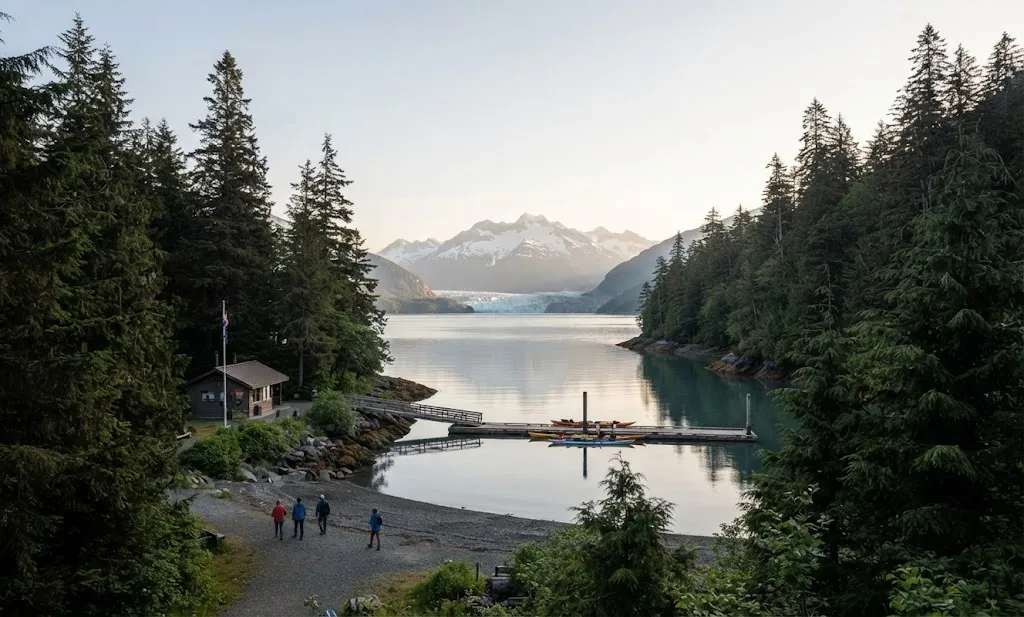
Glacier Bay National Park in Alaska is a remote wilderness of glaciers, mountains, fjords, forests, wildlife, and coastal waters. The destination covers about 3.3 million acres, and visiting it is very different from visiting a park that you can simply drive into.
There are no roads into the park. Independent visitors generally reach the area through Juneau, then continue by ferry or plane to Gustavus before traveling to Bartlett Cove.
That remote setting is part of the experience, but it also means you need to plan transportation, accommodation, food, weather protection, and activities.
Gallery
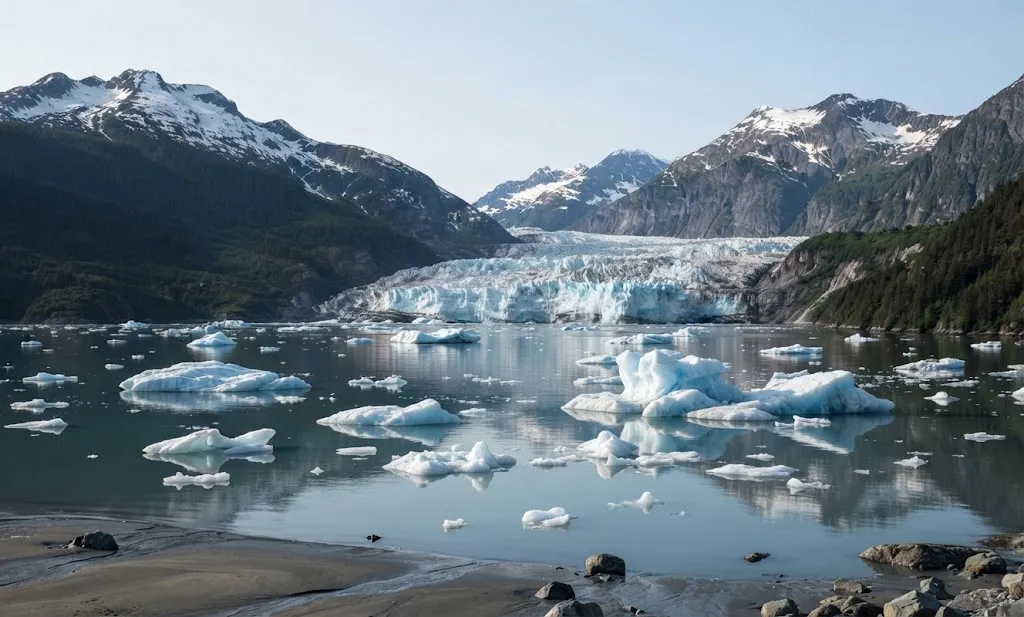
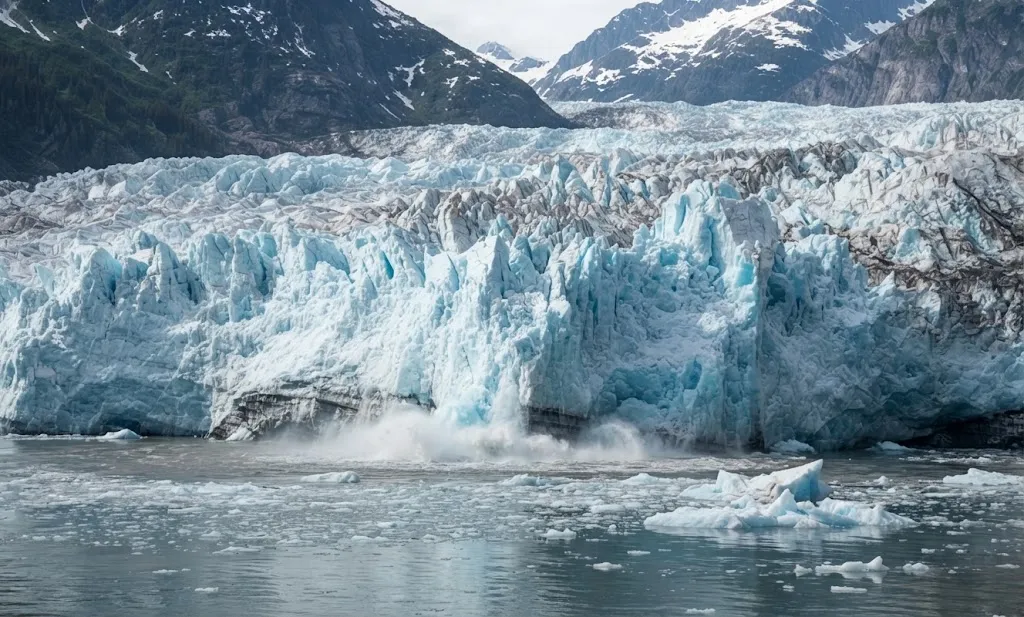
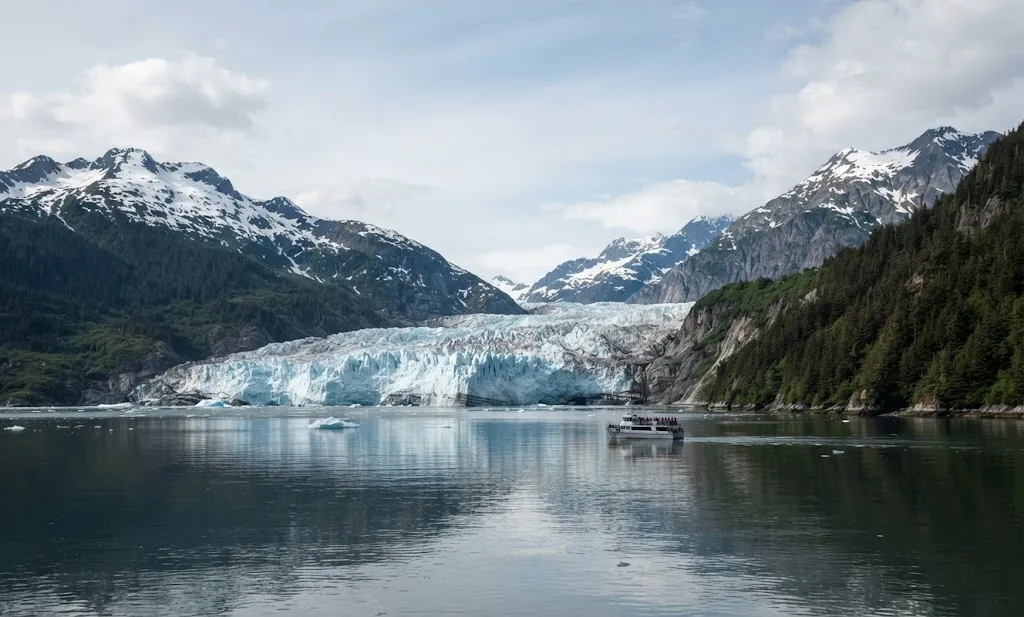
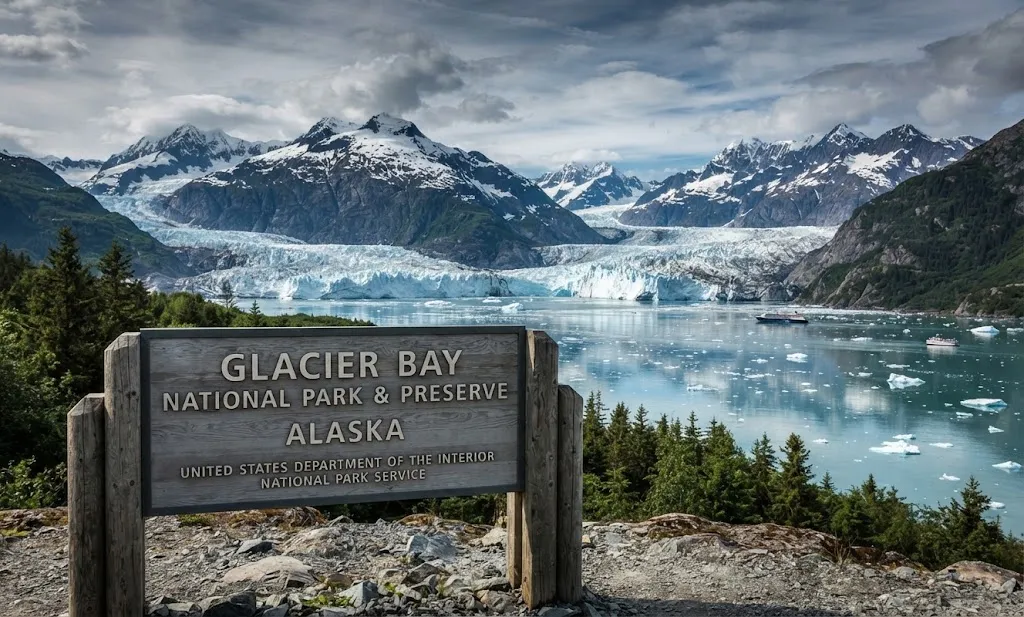
Why Glacier Bay Is Worth Planning For
Glacier Bay combines several experiences in one destination:
- Massive glaciers and icy waterways
- Mountain and fjord scenery
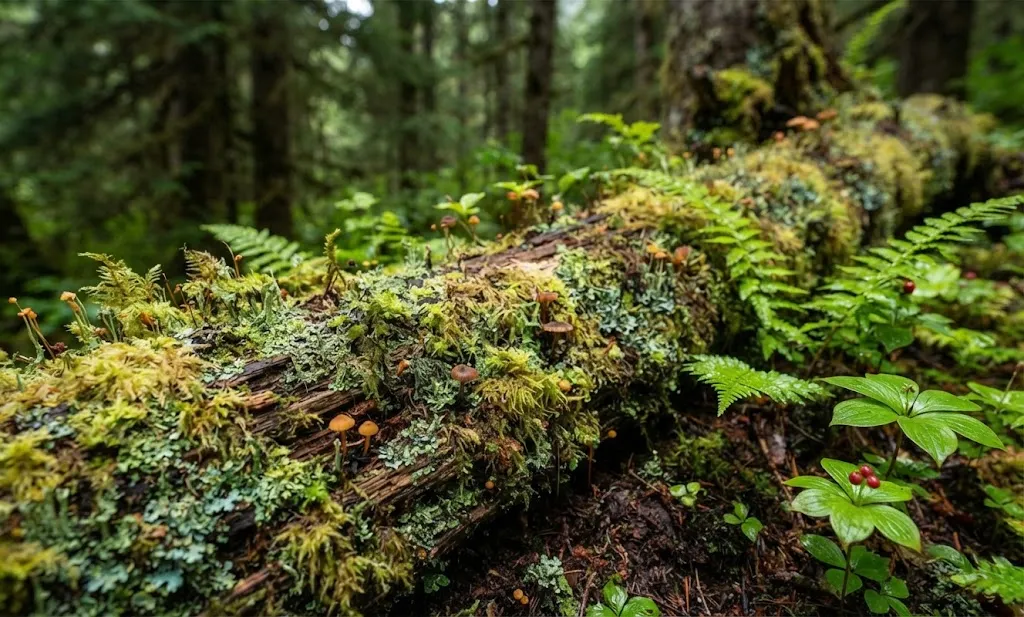
- Rainforests and coastal forests
- Whale watching
- Sea lions, sea otters, bears, seals, and birds
- Kayaking
- Hiking
- Beach exploration and tidepooling
- Camping at Bartlett Cove
- Huna Tlingit cultural experiences
- Scenic boat tours
The scale is impressive. One source describes Glacier Bay as approximately 3.3 million acres, while the activities page highlights more than 280 bird species recorded in the wilderness.
For visitors who want to see glaciers rather than only the scenery around Bartlett Cove, the Glacier Bay Day Boat Tour is particularly important because the glaciers are not visible from Bartlett Cove itself.
Where Is Glacier Bay National Park?
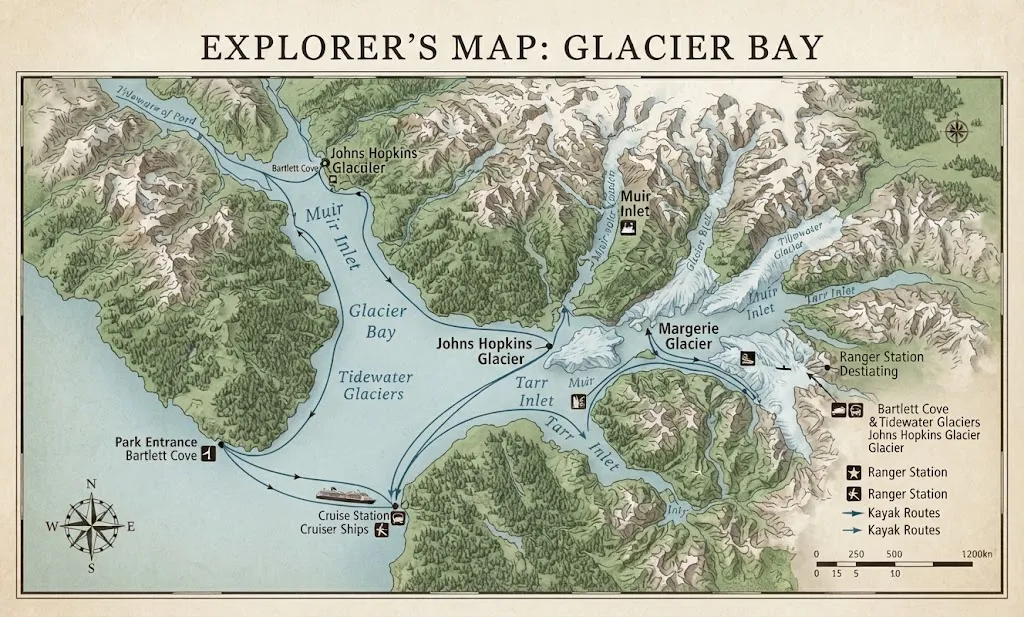
Glacier Bay is in southeast Alaska, west of Juneau. Gustavus serves as an important gateway community, while Bartlett Cove is the main visitor area inside the park.
The distance between Gustavus and Bartlett Cove is about 10 miles according to the travel guide, with another source describing the drive as approximately 15 minutes.
A simple way to understand the journey is:
Juneau → Gustavus → Bartlett Cove → Glacier Bay
Because there is no road directly into the park from Juneau, you need to arrange the water or air portion of your journey before arriving.
How to Get to Glacier Bay
There are two practical independent-travel options highlighted in the sources: ferry and plane.
| Option | Important Details |
|---|---|
| Ferry | About 4–6 hours from Juneau to Gustavus |
| Ferry frequency | Generally around 3 days per week |
| Ferry schedule | Usually released in February for the coming summer |
| Juneau airport → ferry terminal | Around $20 each way by taxi/rideshare |
| Gustavus → Bartlett Cove | About 10 miles |
| Shuttle/taxi | Around $30 round trip |
| Plane | Faster but generally more expensive |
| Alaska Airlines | 1 flight per day between Juneau and Gustavus during the stated summer period |
The ferry can be especially useful for travelers who need to plan camping supplies because the source notes that certain items, including camping fuel and bear spray, cannot be carried on airplanes.
Traveling by Ferry
The ferry takes approximately 4–6 hours, depending on stops. It is described as the slower and more complicated option, but it can provide a scenic way to reach Gustavus.
The ferry schedule generally becomes available in February for the upcoming summer season, and service is typically around 3 days per week according to the travel guide.
The approximate transportation budget provided by the source is:
- Juneau to Gustavus ferry, round trip: $110 per person
- Airport to ferry terminal: around $20 each way
- Gustavus to Bartlett Cove transportation: around $30 round trip
These are planning figures from the source rather than guaranteed current prices, so travelers should verify the applicable arrangements before booking.
Traveling by Plane
Flying from Juneau to Gustavus is the faster alternative.
The source states that Alaska Airlines operates 1 flight per day between Gustavus and Juneau from early June through late August. Small aircraft can also be affected by Alaska’s weather, meaning delays and cancellations are possible.
The source gives an approximate round-trip air cost of $300 per person in its planning table.
When Is the Best Time to Visit?
The main visitor season described in the travel guide runs from Memorial Day weekend in late May through Labor Day in early September.
The guide particularly discusses late May and early June as an attractive part of the season because it can be less crowded and may be less rainy than later summer.
However, rain and chilly conditions are normal considerations. Typical summer temperatures are described as being in the 50s and 60s°F, although warmer conditions can occur.
| Period | What the sources highlight |
|---|---|
| Late May | Beginning of the main operating period |
| Early June | Earlier-season option |
| June–August | Main summer activity period |
| Late August | Later summer conditions |
| Early September | End of the stated main season |
A rain-ready plan is essential. Waterproof clothing and footwear can make a major difference in comfort.
How Much Does a Glacier Bay Trip Cost?
Glacier Bay itself does not charge an entrance fee according to the travel guide, but transportation, accommodation, food, and tours can add up quickly.
Here are the approximate figures provided in the source:
| Expense | Approximate Amount |
|---|---|
| Ferry, Juneau–Gustavus round trip | $110/person |
| Air, Juneau–Gustavus round trip | $300/person |
| Gustavus–Bartlett Cove transportation | $30/person |
| Glacier Bay Lodge | $250–$300/night |
| Camping | Free |
| Lodge dinner | $20–$50/person |
| Lodge breakfast | $10–$20/person |
| Shower | $5 |
| Half-day kayak tour | $100 |
| Day Boat Tour | $230/person in the budget table |
| Day Boat Tour | $240/person later in the article |
| Guide tips | 15–20% |
The two Day Boat Tour figures appear in different parts of the same source, so it is better to treat $230–$240 per person as the source’s stated planning range rather than forcing it into one figure.
Where to Stay
For staying inside the park, the main options highlighted are Glacier Bay Lodge and Bartlett Cove Campground.
The lodge is described as starting around $250 per night, while camping is free. The lodge is also close to the visitor facilities, making it convenient for travelers who want easier access to meals, showers, and other services.
The lodge does not provide the same connectivity you might expect in a normal hotel. The source specifically notes:
- No cell service in Bartlett Cove
- Wi-Fi in the lodge lobby
- No Wi-Fi in lodge rooms
- No Wi-Fi in the campground
- Limited opportunities for charging devices
This makes Glacier Bay a good place to prepare for a more offline travel experience.
Camping at Bartlett Cove
Bartlett Cove Campground is described as a free camping option surrounded by trees and close to the waterfront.
The campground includes several useful facilities:
- Free camping
- Composting toilets introduced in 2019
- Showers at the lodge
- Laundry
- Picnic tables
- Restrooms near the dock
- Filtered water bottle filling station
- Gear wash area
- Trash and recycling facilities
The visitor information station is approximately a 5-minute walk from the lodge. Showers cost $5 and provide about 30 minutes of access. Laundry is listed at $2 for washing and $2 for drying.
Because this is bear country, food, cooking materials, and toiletries should not be kept in the tent area. The campground uses designated food-storage areas, and cooking is not permitted beside the tent.
Glacier Bay Day Boat Tour
The Day Boat Tour is one of the major ways to experience the deeper part of Glacier Bay.
The tour described by the travel guide:
- Departs around 7:30 AM
- Returns around 3:30 PM
- Takes most of the day
- Costs approximately $230–$240 per person in the source
- Includes hot drinks
- Includes a clam chowder snack
- Includes lunch
- Provides maps
- Provides binoculars
- Has a park ranger onboard
The official destination page states that the Glacier Bay Day Tour travels approximately 150 miles into the heart of the bay and is the only scheduled day tour allowed in the park.
Wildlife sightings described in the travel account include whales, bears, sea lions, sea otters, seals, and many birds. Wildlife sightings are naturally not guaranteed.
What Can You See on the Water?
Glacier Bay’s water-based experiences can bring you close to a wide variety of wildlife.
The sources mention:
- Humpback whales
- Sea lions
- Sea otters
- Seals
- Bears
- Shorebirds
- Numerous other bird species
The destination page states that more than 280 bird species have been found in the wilderness.
This makes binoculars especially useful, particularly for travelers who want to spend time watching wildlife from shore or during boat activities.
Whale Watching Around Glacier Bay
Whale watching is one of the major experiences promoted for the area.
The broader Glacier Bay region also includes Point Adolphus, which the travel source describes as being about 20 minutes by boat from Gustavus. It is presented as another location for whale-watching trips during summer.
For visitors interested in marine wildlife, this creates another reason to spend more than a few hours in the region.
Kayaking in Glacier Bay
Kayaking provides a slower way to experience the water and surrounding landscape.
The source describes half-day and full-day kayak rentals or tours around the Bartlett Cove area. Previous kayaking experience is not required for the guided experience described, and equipment and instruction are provided.
A full-day kayaking option can include lunch.
For travelers considering a longer backcountry kayaking adventure, the same source notes that arrangements can also be made for multi-day trips.
Hiking Around Bartlett Cove
Several trails provide options for different levels of effort.
| Trail | Distance | General Experience |
|---|---|---|
| Forest Trail | 1 mile | Short forest and beach loop |
| Bartlett River Trail | 4 miles round trip | Forest and estuary |
| Bartlett Lake Trail | 10 miles round trip | Longer, more remote outing |
The 1-mile Forest Trail can work well when you first arrive or when you want a short walk after a longer boat excursion.
The 4-mile Bartlett River Trail provides a longer half-day option, while the 10-mile Bartlett Lake Trail is better suited to travelers looking for a more substantial outing.
Beach Walking and Tidepooling
You do not need a full-day tour to enjoy Glacier Bay.
The beach around Bartlett Cove can be explored in different directions, and the travel guide highlights low tide as an especially interesting time for beach exploration and tidepooling.
Before walking long distances along the shore, pay attention to the time and distance traveled. Tide conditions can change the character of the shoreline.
Huna Tlingit Culture
Glacier Bay is not only about scenery and wildlife.
The travel guide highlights the Huna Tribal House at Bartlett Cove and the opportunity to learn from Huna Tlingit cultural interpreters. Regular interpretive programs are mentioned, with schedules available through the visitor center.
This cultural experience adds an important human dimension to a visit and helps visitors understand the relationship between the Huna Tlingit people and the landscape.
A Simple 4-Day Glacier Bay Itinerary
A 4-day itinerary allows enough time to combine transportation, scenery, wildlife, culture, kayaking, and hiking without trying to rush everything into one day.
| Day | Suggested Plan |
|---|---|
| Day 1 | Travel from Juneau to Gustavus by ferry or plane; settle into the lodge/campground; explore the beach or Forest Trail |
| Day 2 | Take the Glacier Bay Day Boat Tour and visit the Huna Tribal House |
| Day 3 | Take a half-day or full-day kayaking trip |
| Day 4 | Hike the Bartlett River Trail or explore the beach; return toward Juneau in the afternoon |
This itinerary follows the structure provided in the travel source and gives each major experience its own time rather than packing too many activities into one day.
What to Pack
Glacier Bay requires a practical packing strategy because of its rain, cold conditions, remote setting, and limited services.
Useful items highlighted in the source include:
- Waterproof rain jacket
- Rain pants
- Waterproof boots
- Warm layers
- Hat and gloves
- Lightweight layers for sunny weather
- Brimmed hat
- Bug spray
- Sunscreen
- Sunglasses
- Lip protection
- Binoculars
- Water bottles
- Backpack cover
- Portable battery
- Personal toiletries
- Necessary medications
- Headlamp for camping
- Tent with a proper rainfly
- Sleeping bag
- Camping pad
- Cooking equipment for campers
Rain protection deserves special attention. Even during summer, the source emphasizes that Glacier Bay can be rainy and chilly.
Food and Supplies
Food planning is one of the most important parts of an independent trip.
The sources describe Gustavus as a small and remote community, while Bartlett Cove has very limited food availability. The lodge provides meals, but travelers camping or planning their own meals need to think ahead.
A practical approach is to decide before leaving Juneau:
- Where you will eat each day.
- Whether you are camping or staying at the lodge.
- What food you need to bring.
- What equipment you need for cooking.
- How you will manage supplies during transportation.
Connectivity and the Offline Experience
Do not plan a Glacier Bay trip around constant internet access.
The travel guide states that there is no cell service in Bartlett Cove or elsewhere in the park. Wi-Fi is available in the lodge lobby and at the dock, but not in the campground or lodge rooms.
Download important information before leaving:
- Reservation details
- Maps
- Transportation information
- Reading material
- Emergency information
- Your itinerary
A backup battery can also be useful because charging opportunities are limited.
Important Planning Tips
A smooth trip comes down to a few simple decisions.
1. Build in extra travel time.
Ferries and small aircraft operate on schedules that can be affected by weather.
2. Reserve major activities early.
The Day Boat Tour is a major part of the experience and operates within the seasonal schedule described above.
3. Prepare for rain.
Waterproof clothing should be treated as essential rather than optional.
4. Plan your food before reaching Bartlett Cove.
Supplies are limited compared with larger Alaska communities.
5. Expect limited connectivity.
Download important information before traveling.
6. Allow enough time.
A 4-day plan gives you room for the main experiences without making every day a race.
7. Respect campground rules.
Food and cooking materials must be managed carefully in this bear country.
FAQs
How many acres is Glacier Bay National Park?
The destination page describes Glacier Bay as covering approximately 3.3 million acres.
Can you drive into Glacier Bay National Park?
No. The travel guide explains that Glacier Bay is not accessible by road. Independent travelers reach the area by boat or plane, generally through Juneau and Gustavus.
How long is the ferry from Juneau to Gustavus?
The ferry journey is approximately 4–6 hours, depending on stops.
How long is the Glacier Bay Day Boat Tour?
The travel guide describes a full-day trip departing at approximately 7:30 AM and returning around 3:30 PM, while another source describes the cruise experience as approximately 8 hours.
How much does the Day Boat Tour cost?
The travel guide gives $230 per person in its budget table and approximately $240 per person later in the article.
Is camping free at Bartlett Cove?
Yes. The source describes Bartlett Cove Campground as free, although other expenses such as transportation, food, and optional activities still apply.
How long should you stay in Glacier Bay?
A 4-day itinerary is provided in the travel guide, combining transportation, the Day Boat Tour, cultural experiences, kayaking, hiking, and the return journey.
What are the main hiking distances?
The highlighted trails include the 1-mile Forest Trail, 4-mile Bartlett River Trail, and 10-mile Bartlett Lake Trail.
Is there cell service in Glacier Bay?
The travel guide states that there is no cell service in Bartlett Cove or elsewhere in the park. Wi-Fi is available in limited locations, including the lodge lobby and dock.
What makes Glacier Bay different from a normal national park visit?
The biggest difference is the combination of remote access, water-based travel, glaciers, wildlife, limited connectivity, and changing weather. Planning transportation and supplies is therefore part of the experience itself.
Final Takeaway
Glacier Bay National Park Alaska is best approached as a planned wilderness journey, not a quick roadside stop. The core experience can include a 150-mile day tour through the bay, wildlife viewing, kayaking, hiking, beach exploration, camping, and learning about Huna Tlingit culture.
For an independent visit, the most important numbers to remember are 3.3 million acres, 4–6 hours by ferry, about 10 miles from Gustavus to Bartlett Cove, 150 miles for the Day Tour, 1–10 miles for the highlighted hikes, and 4 days for the sample itinerary.
With rain-ready clothing, carefully planned transportation, enough food and supplies, and realistic expectations about connectivity, you can spend your time focusing on what makes Glacier Bay special: ice, water, mountains, wildlife, forests, and an extraordinary sense of wilderness.
Hi, I’m Marcus! I love exploring the outdoors and discovering incredible places. Through ExploreNatureTrips blog, I share my travel experiences, useful tips, and recommendations for the best sights, trails, and destinations to visit.


