
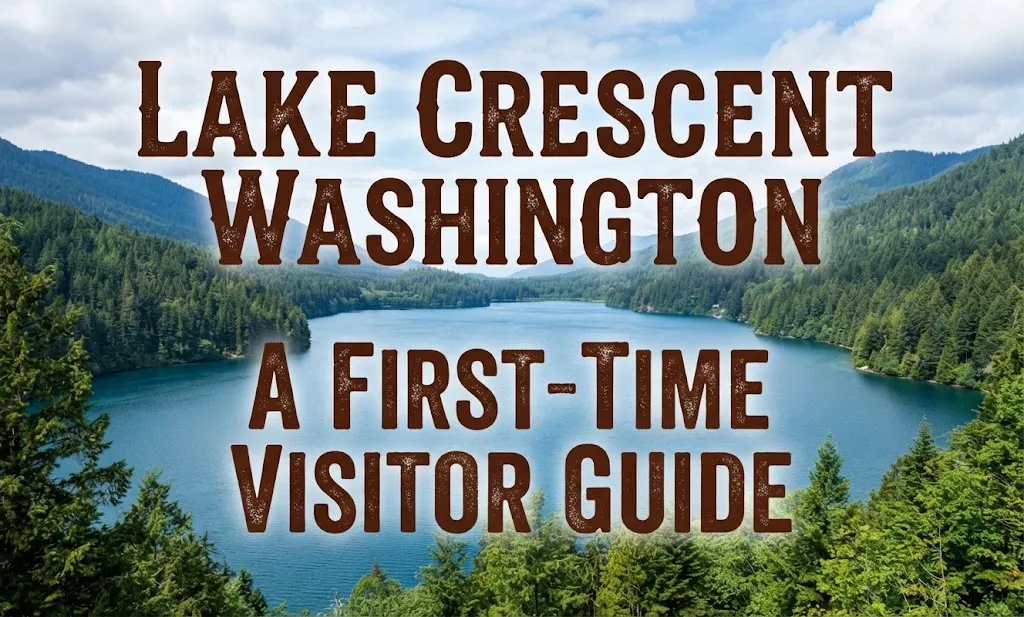
Lake Crescent Washington: A First-Time Visitor Guide

Lake Crescent is one of the most distinctive places to experience in Olympic National Park, Washington. Its clear blue-green water, forested shoreline, mountain scenery, and accessible hiking trails make it possible to enjoy several types of outdoor experiences in one stop.
For a first visit, the key is to plan around time, distance, weather, trail difficulty, and water safety. Lake Crescent sits about 18 miles west of Port Angeles, and the lake is connected to the surrounding Olympic landscape by Highway 101.
The lake was shaped by glaciers and later separated from neighboring Lake Sutherland by a massive landslide approximately 7,000 years ago. Today, its unusually clear water and isolated fish populations are among its most recognizable natural features.
Why Is Lake Crescent So Blue and Clear?
Lake Crescent’s unusual color is not simply a photography effect. The lake’s water contains very little nitrogen, which limits phytoplankton growth. With fewer microscopic organisms in the water, sunlight can travel deeper and the lake retains its remarkable clarity.
Its depth is another important part of the experience. The lake reaches approximately 624 feet, creating a dramatic contrast between the deep blue water and the surrounding forest-covered mountains.
There is also an interesting biological story. The lake supports two distinctive trout populations, the Beardslee trout and Crescenti trout, which developed after the lake became isolated from Lake Sutherland.
How to Get to Lake Crescent
The easiest way to reach Lake Crescent is by road via U.S. Highway 101, which follows the southern side of the lake.
From Port Angeles, Lake Crescent is approximately 18 miles west. The National Park Service also estimates the drive from Port Angeles to the Lake Crescent area at around 30 minutes, although your actual travel time can vary with traffic, road conditions, weather, and stops.
If you’re exploring more of Olympic National Park, Lake Crescent works well as part of a larger route because it sits between several major areas.
| Destination from Port Angeles | Approximate Drive |
|---|---|
| Lake Crescent | 30 minutes |
| Hurricane Ridge | 45 minutes |
| Sol Duc Valley | 1 hour 15 minutes |
| Mora / Olympic Coast | 1 hour 15 minutes |
| Hoh Rain Forest | 2 hours 15 minutes |
These are approximate park travel times, so allow additional time for parking, viewpoints, meals, trail stops, and seasonal road conditions.
Best Things to Do at Lake Crescent
There is no need to fill your visit with a long list of activities. A few well-chosen stops can provide a much better experience.
1. Hike to Marymere Falls

Marymere Falls is one of the easiest ways to combine forest scenery with a waterfall visit.
The National Park Service lists the trail as approximately 0.9 mile one way, with around 400 feet of elevation gain, ending at a 90-foot waterfall.
Another National Park Service trip-planning page describes the hike as approximately 1.8 miles round trip.
Good for: first-time visitors, forest scenery, photography, and a relatively short hike.
2. Hike Mount Storm King
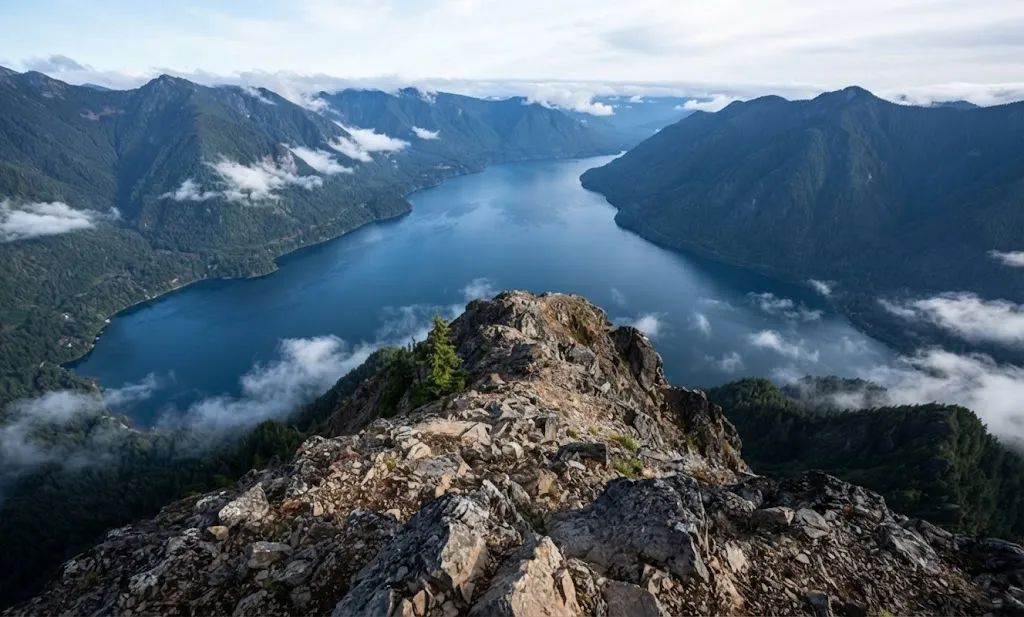
Mount Storm King is a much more demanding option.
The National Park Service lists the main trail at approximately 2.2 miles one way with around 2,000 feet of elevation gain. That makes it substantially more strenuous than the Marymere Falls route.
If you are looking for a challenging hike with elevated views, this is the route to consider. If your priority is a relaxed lake day, there is no need to add it to your schedule.
Tip: Check current trail conditions before starting and carry enough water for the climb.
3. Walk the Spruce Railroad Trail

The Spruce Railroad Trail follows the northern shoreline of Lake Crescent along an old railroad bed.
The park brochure lists the trail at 4 miles one way, with an accessible paved extension continuing along the Olympic Discovery Trail. It also includes 2 historic railroad tunnels, although the tunnels themselves are closed because of hazardous conditions.
This makes the trail particularly interesting for visitors who want a shoreline experience without committing to a steep mountain climb.
4. Explore Moments in Time Trail
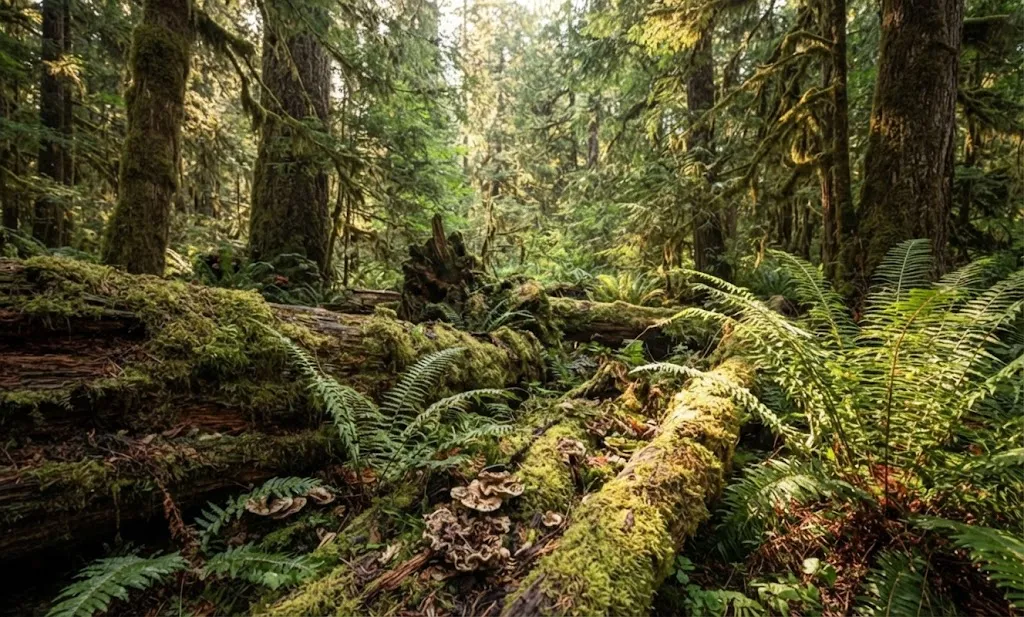
The Moments in Time Trail provides a shorter forest-and-lake experience.
The National Park Service lists it as a 0.6-mile loop with no recorded elevation gain in its area brochure.
It can be a useful choice when you have limited time or want a gentler walk before continuing your road trip.
5. Get on the Water
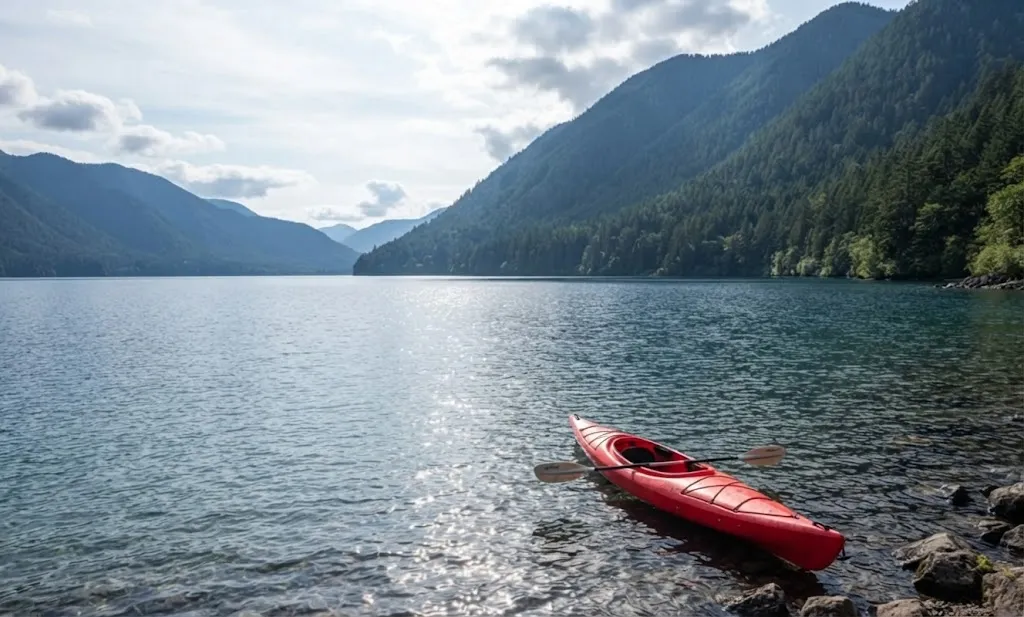
Lake Crescent is not only a viewpoint destination. Visitors can enjoy activities such as:
- Kayaking
- Canoeing
- Sailing
- Rowing
- Paddleboarding
- Fishing
- Swimming
Boat launches are available at both the east and west ends of the lake, while rowboats can be rented from Lake Crescent Lodge.
Because the lake is very cold and deep, water safety should remain a priority. The National Park Service specifically recommends wearing a life jacket while on the water.
6. Enjoy a Picnic

You can make Lake Crescent a slower stop rather than rushing from one trail to another.
Picnic opportunities are available at locations including:
- Fairholme
- Bovee’s Meadow
- La Poel
- North Shore
- East Beach
Some facilities are seasonal, so check current park information before relying on a specific picnic area.
A Simple First-Day Plan
If you only have one day, a simple schedule can keep the experience comfortable.
| Approx. Time | Activity |
|---|---|
| Morning | Arrive at Lake Crescent |
| Morning | Marymere Falls hike |
| Late morning | Lake and forest viewpoints |
| Lunch | Picnic or meal near the lake |
| Afternoon | Kayaking, shoreline exploration, or Spruce Railroad Trail |
| Late afternoon | Relax by the lake |
| Evening | Continue your route or return to accommodation |
The most important part is not overplanning. Olympic National Park is large, and driving between areas can consume considerable time. The National Park Service recommends planning with both distance and travel time in mind.
Where to Stay Near Lake Crescent
Visitors have several accommodation styles to consider.
Lake Crescent Lodge provides an option for travelers who want lodging close to the lake. Log Cabin Resort is another seasonal lodging option, while Fairholme Campground is suited to visitors who prefer camping.
Fairholme Campground has 87 campsites, including 1 wheelchair-accessible site.
The National Park Service notes that Lake Crescent Lodge and Log Cabin Resort generally operate from late spring through early fall, so check current official operating dates before making plans.
Which Area Should You Choose?
| Your Priority | Consider |
|---|---|
| Lodge experience | Lake Crescent Lodge |
| Resort-style stay | Log Cabin Resort |
| Camping | Fairholme Campground |
| Water access | East Beach / shoreline areas |
| Easy waterfall hike | Marymere Falls |
| Short forest walk | Moments in Time |
| Long shoreline walk | Spruce Railroad Trail |
| Challenging hike | Mount Storm King |
Best Time to Visit Lake Crescent
Lake Crescent changes considerably throughout the year.
Summer generally provides the most opportunities for boating, swimming, hiking, and other outdoor activities. However, summer is also among the busiest periods across Olympic National Park. The park identifies June through September as its busiest season.
Fall can provide cooler conditions and changing forest scenery, while some lake activities remain possible.
Spring can be rewarding for visitors who prefer quieter conditions, but weather can be wet and variable.
Winter requires more careful planning because some seasonal facilities close and mountain weather can affect roads and trails. The National Park Service advises checking current road conditions, particularly for fall and winter travel.
What to Pack
A practical Lake Crescent day-trip kit can include:
- Comfortable hiking shoes
- Waterproof outer layer
- Warm layers
- Drinking water
- Snacks
- Sun protection
- Small first-aid kit
- Navigation/map backup
- Swimsuit if you plan to enter the water
- Life jacket for appropriate water activities
- Camera or phone
- Extra dry clothing
Important: Do not judge the lake’s water temperature by the weather. Lake Crescent is deep and cold, so water activities require appropriate precautions.
Lake Crescent Safety Tips
A beautiful location still requires sensible preparation.
- Stay on designated trails.
- Wear appropriate footwear on steep routes.
- Carry enough water for longer hikes.
- Wear a life jacket when boating.
- Keep children closely supervised around deep water.
- Follow current fishing and boating regulations.
- Check weather and road conditions before departure.
- Do not assume every facility is open year-round.
- Keep pets on a 6-foot or shorter leash where required.
- Remember that pets and bicycles are restricted on many park trails, with exceptions such as the Spruce Railroad Trail.
Nearby Places to Add to Your Route
Lake Crescent can easily become one stop within a broader Olympic National Park itinerary.
The Elwha and Sol Duc areas are less than a 30-minute drive from Lake Crescent according to the National Park Service. From the western end of the lake, the Hoh Rain Forest is about 1 hour away, while the coast is approximately 45 minutes away.
For a longer park visit, the National Park Service suggests allowing 2–3 days to experience multiple major ecosystems rather than trying to cover everything in a single day.
Lake Crescent FAQ
How deep is Lake Crescent?
Lake Crescent reaches approximately 624 feet at its deepest point according to the National Park Service.
How far is Lake Crescent from Port Angeles?
Lake Crescent is about 18 miles west of Port Angeles, with an approximate driving time of 30 minutes under normal conditions.
How long is the Marymere Falls hike?
The National Park Service lists Marymere Falls at approximately 0.9 mile one way, or about 1.8 miles round trip, with roughly 400 feet of elevation gain.
Is Mount Storm King difficult?
It is substantially more demanding than the shorter Lake Crescent walks. The listed route is about 2.2 miles one way with approximately 2,000 feet of elevation gain.
Can you swim in Lake Crescent?
Water recreation, including swimming, is possible, but the lake is very cold and deep. Anyone entering the water should take appropriate precautions, and life jackets are recommended for water activities.
Can you camp at Lake Crescent?
Yes. Fairholme Campground has 87 campsites, including 1 accessible site.
Is Lake Crescent open in winter?
The area itself can be visited, but seasonal facilities such as Lake Crescent Lodge and Log Cabin Resort generally operate from late spring into early fall. Always check current conditions and operating information before a winter trip.
How long should you spend at Lake Crescent?
A few hours can cover a short hike and shoreline visit. A full day gives you more flexibility for hiking, boating, picnicking, and photography. If Lake Crescent is part of a larger Olympic National Park trip, 2–3 days can provide enough time to explore multiple major areas of the park.
Final Planning
Before leaving for Lake Crescent, make sure you have:
- Checked current road conditions
- Checked trail conditions
- Confirmed seasonal facility hours
- Planned your parking and arrival time
- Chosen a hike appropriate for your ability
- Packed layers and rain protection
- Prepared water and snacks
- Followed current park regulations
- Taken water safety seriously
- Allowed extra time for driving
Lake Crescent is easiest to appreciate when you slow down rather than trying to see everything at once. A short forest hike, time beside the clear water, and one well-planned activity can create a much more enjoyable first visit than an overloaded schedule.

Hi, I’m Marcus! I love exploring the outdoors and discovering incredible places. Through ExploreNatureTrips blog, I share my travel experiences, useful tips, and recommendations for the best sights, trails, and destinations to visit.


