
Ozark Trail Shoes Review: Are They Really Worth It?
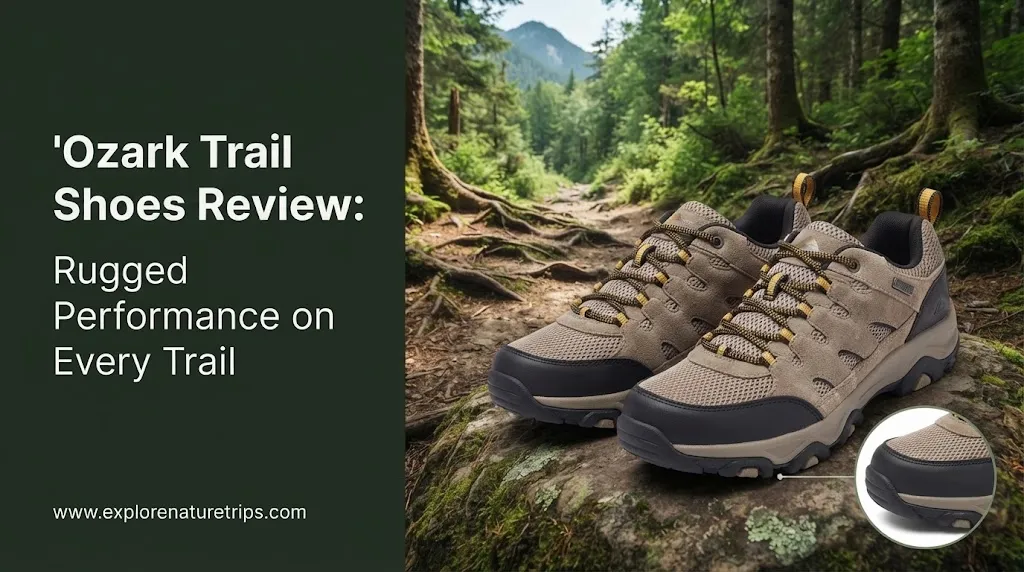
Ozark Trail Shoes Review
Ozark Trail shoes and boots are popular mainly because they offer something many outdoor shoppers want: low-cost footwear for hiking and everyday outdoor use. But low price does not automatically mean good value.
Based on long-term field testing, customer reviews, and multiple models discussed across the available sources, the answer is mixed. Some users have taken Ozark Trail footwear on 200+ miles of hiking, used the same pair for 3–4+ years, and praised its comfort, grip, waterproofing, and price. Others reported serious failures within hours, days, or weeks.
So, are Ozark Trail shoes good?
The most useful answer is: they can be good budget footwear, but the model, terrain, weather, and intensity of use matter enormously.
Overall, discuss below; explore
What Makes Ozark Trail Shoes Popular?
The biggest attraction is simple: affordability.
One long-term reviewer purchased a pair for approximately $30, while another source lists a price of $21.98. Trailspace reviews also mention prices ranging from approximately $15 to $60, depending on the model, period, and location.
That makes Ozark Trail footwear considerably more accessible than many premium hiking brands.
But price is only part of the story.
Users have reported wearing these shoes and boots for:
- Hiking
- Walking
- Camping
- Fishing
- Yard work
- Construction
- Snow work
- General outdoor activities
- Everyday town use
The strongest positive evidence comes from people who used the footwear repeatedly rather than simply judging it after trying it indoors.
Real-World Hiking Performance
One of the most interesting reviews comes from a long-term field tester who put the shoes through a surprisingly wide range of conditions.
During the initial trip, the reviewer completed at least 10 hikes covering approximately 30 miles within 7 days.
The same pair was then used for more adventures over a much longer period.
Reported distances included:
| Location / Trip | Approximate Distance |
|---|---|
| Initial hiking trip | 30 miles |
| Catskills | 40+ miles |
| Smugglers Notch, Vermont | 10 miles |
| Green Mountain National Forest | 2 miles |
| Western U.S. trip | 50+ miles |
| Another western trip | 50+ miles |
| Vancouver Island | 10 miles |
| Canadian Rockies | 30+ miles |
| Overall claimed mileage | 200+ miles |
The reviewer also reported using the shoes in sand, water, snow, and mud.
Most importantly, the same pair was reportedly still being used 3 years later, while the broader long-term testing period extended beyond 2 years.
That is a very different experience from the reviewers who experienced failures within a few weeks.
Comfort: Better Than the Price Suggests?
Comfort is one of the more consistently positive aspects of Ozark Trail footwear.
The quality-focused identifies several comfort-related features, including:
- Cushioned insoles
- Cushioned midsoles
- Ankle support
- Breathable materials
- Moisture escape
- Lightweight construction
A comfort-priority figure of 75% was also mentioned.
However, comfort is not identical across every model.
Some users reported a good fit, while others complained about:
- Narrow toe boxes
- Limited arch support
- Blisters
- Poor heel construction
- Uncomfortable internal components
One Trailspace reviewer rated the boots 4.5/5 and described them as well-made and affordable. Another reviewer gave the footwear 5/5 after using it for more than 4 years.
At the opposite end, one reviewer reported blisters and difficulty walking despite a 2-day break-in period.
Fit Matters More Than the Brand Name
A good-fitting Ozark Trail model can feel comfortable, while another model may not work for the same person.
If possible, try the footwear while wearing the hiking socks you normally use.
Also pay attention to:
- Toe-room
- Heel movement
- Arch support
- Collar pressure
- Width
- Insole comfort
For longer hikes, replacing the stock insole may also improve comfort.
Durability: The Biggest Question Mark
Durability is where the evidence becomes highly contradictory.
Some users report exceptionally long service.
One Trailspace reviewer used a pair for more than 4 years, including trips involving Mt. Shasta, Alaska, New Zealand, snow work, fishing, construction, and general use.
Another reviewer reported more than 3 years of use, primarily for yard work.
The long-distance field tester also reported 200+ miles and continued use of the same pair 3 years later.
But other reviewers experienced failures extremely quickly.
Some Reported Failure Times
The available Trailspace reviews contain failures reported after:
- One use
- 3 hours
- 90 minutes
- 2 days
- 13 days
- 3 weeks
- Approximately 1 month
One reviewer reported that the upper separated from the bottom after only about 3 hours of normal walking.
Another reported the sole splitting after wearing the boots just once.
Another reviewer said the soles were gone after 13 days.
This creates an important lesson:
Ozark Trail durability cannot be judged from one positive or negative review.
The model, manufacturing quality, usage conditions, age of the footwear, and terrain appear to make a substantial difference.
What Do Long-Term Users Say?
The long-term evidence is particularly interesting because it includes both unusually positive and negative experiences.
Positive Long-Term Experience
One reviewer gave the footwear 5/5 and reported more than 4 years of use.
The shoes were used for demanding outdoor activities and were described as:
- Comfortable
- Lightweight
- Waterproof
- Firm without being rigid
- Good value
The main problem appeared after years of use, when some delamination occurred where the sole met the leather.
Another long-term user reported more than 3 years of use, although the soles eventually began dissolving and developing holes.
Negative Long-Term Experience
Other users reported deterioration even when the uppers still looked good.
For example, a November 30, 2024 review described a pair that had reportedly been worn only 1–2 times several years earlier, yet the sole later began:
- Crumbling
- Developing holes
- Falling apart
This suggests that storage and age may also matter, not just mileage.
Traction on Trails
Traction is another area where the experience depends on the terrain.
The positive field test specifically praised the shoes for grip and wet-surface traction and reported use through:
- Mud
- Snow
- Water
- Sand
For ordinary dirt trails and park paths, the footwear can provide useful traction.
However, another warns that problems can appear in deep mud and on slick rocks. A Trailspace reviewer also complained that the tread could collect mud and rocks and require frequent cleaning.
So the practical distinction is important:
Normal trails are one thing. Technical terrain is another.
If your route involves steep, wet, rocky, highly technical terrain, premium hiking footwear may offer a more predictable experience.
How Do They Perform in Wet Conditions?
Some Ozark Trail models are waterproof, and waterproofing was praised by several users.
One reviewer specifically described the footwear as waterproof after years of use.
However, other reviews reported water entering around the lower lacing area.
The broader quality analysis also suggests that waterproof models may work well for lighter wet conditions but can struggle with extreme or prolonged exposure.
Rain
For ordinary rain and wet trails, a waterproof model can make sense.
Shallow Water
Some users have successfully used the footwear around water, but waterproof performance varies by model.
Deep Water
Do not assume every Ozark Trail shoe can handle prolonged immersion simply because it is marketed as waterproof.
Mud and Snow Performance
Ozark Trail footwear has been used in both mud and snow, but expectations should remain realistic.
Mud
Normal muddy trails can be manageable.
The problem is that some users report that the outsole can collect mud and rocks, requiring regular cleaning.
Snow
Insulated versions may be suitable for casual winter activities.
However, they should not automatically be treated as expedition footwear for:
- Deep snow
- Extreme cold
- Long periods outdoors
- Technical winter hiking
One reviewer specifically reported that their feet became extremely cold after only 10 minutes outside, showing how dramatically winter performance can vary between models and users.
Materials and Construction
The research identifies several materials and construction features used across Ozark Trail footwear.
These include:
- Synthetic leather
- Textile uppers
- Faux leather
- Polyester
- Basic waterproof membranes
- Rubber-blend soles
- Molded lugs
- Foam removable insoles
These materials help keep the footwear inexpensive.
But shoppers should not expect the construction level of premium hiking footwear.
For example, the specifically notes that buyers should not expect Gore-Tex, premium leather, or high-end cushioning at this price point.
That does not make Ozark Trail footwear bad. It simply means the expectations should match the price.
Ozark Trail Shoes vs. Premium Hiking Shoes
The mentions brands such as Merrell and Salomon as alternatives for more demanding outdoor use.
The difference is mainly about intended use.
| Use Case | Ozark Trail | Premium Hiking Footwear |
|---|---|---|
| Casual walking | Good | Good |
| Yard work | Good | Often unnecessary |
| Casual camping | Good | Good |
| Park trails | Good | Good |
| Regular hiking | Depends on model | Generally stronger choice |
| Long-distance hiking | Mixed | Better suited |
| Technical terrain | Limited | Better choice |
| Extreme weather | Limited | Better choice |
| Budget buying | Excellent | More expensive |
For someone who hikes occasionally, paying substantially more for technical footwear may not provide enough additional value.
For someone hiking hundreds of miles in difficult terrain, however, reliability becomes more important than the initial purchase price.
Who Should Buy Ozark Trail Shoes?
Ozark Trail footwear makes the most sense for people who want affordable outdoor footwear for moderate use.
Good For
- Budget-conscious hikers
- Beginners
- Casual hikers
- Campers
- Yard work
- Park trails
- General walking
- Light outdoor activities
- Occasional rainy-weather use when choosing an appropriate waterproof model
The strongest case is for someone who wants functional footwear without spending premium-brand money.
Who Should Avoid Them?
You may want to consider a more specialized hiking shoe or boot if you regularly participate in:
- Technical hiking
- Very long-distance hiking
- Difficult rocky terrain
- Extreme winter conditions
- Prolonged wet conditions
- Heavy daily outdoor work
- Activities where footwear failure could create a serious problem
This does not mean every Ozark Trail model will fail.
It means the inconsistent durability reports make them harder to recommend when reliability is critical.
What Do the Numbers Actually Tell Us?
The available produces a surprisingly wide range of experiences.
| Metric | Reported Number |
|---|---|
| Listed shoe price | $21.98 |
| Approx. purchase price in field test | $30 |
| Initial testing period | 7 days |
| Initial hikes | 10+ |
| Initial distance | ~30 miles |
| Long-term field testing | 2+ years |
| Same pair still used | 3 years later |
| Claimed overall mileage | 200+ miles |
| Longest Trailspace use | 4+ years |
| Another long-term use | 3+ years |
| Lowest reported failure period | 3 hours |
| Other rapid failure | 2 days |
| Another failure period | 3 weeks |
| Other reported failure | ~1 month |
| Trailspace overall rating | 1.0/5 |
| Highest individual rating | 5/5 |
| Other high rating | 4.5/5 |
| Lowest individual rating | 0.5/5 |
| Reported prices | $15–$60 |
| Reported weight | 2.5 lbs |
These numbers explain why a simple “good” or “bad” verdict would be misleading.
Why Are the Reviews So Different?
The biggest reason is that the footwear is not being used under identical conditions.
A person walking 2–3 miles per day around town is putting very different demands on a shoe than someone hiking steep mountain trails.
Similarly, a pair used occasionally on weekends may age differently from one used every day for construction or yard work.
The identifies several variables that can affect performance:
- Model
- Terrain
- Weather
- Frequency of use
- Walking distance
- Fit
- Storage
- Maintenance
- Intensity of activity
This is why one person can report 4+ years of successful use while another reports failure after 3 weeks.
Common Problems Reported by Users
Across the supplied reviews, several recurring complaints appear.
Sole Problems
This is arguably the biggest concern.
Reported problems include:
- Sole separation
- Crumbling
- Cracking
- Holes
- Splitting
- Heel failure
- Worn-out bottoms
Insole Problems
One reviewer reported the insole falling apart after approximately 14 hours during a weekend camping trip.
Another reported that the inner soles did not last even 1 month.
Heel Problems
Several users reported problems around the heel.
Examples include:
- Heel splitting after a 90-minute hike
- Heel failure after 3 weeks
- Interior wear behind the heel after 3 weeks
- Heel/upper separation
Laces
Interestingly, the long-term positive field tester identified shoelaces as the biggest negative because they reportedly came loose frequently.
That is a relatively minor problem compared with sole failure, but it is still useful to know.
What About the Overall Trailspace Rating?
Trailspace currently lists the Ozark Trail Boots as discontinued and shows an overall rating of 1.0/5.
However, the individual experiences underneath that overall figure are much more varied.
The reviews include:
- 5/5
- 4.5/5
- 2/5
- 1.5/5
- 1/5
- 0.5/5
That spread is important.
The overall rating should not be interpreted as proof that every Ozark Trail boot is poor. Instead, it demonstrates how inconsistent the reported experiences are across models and users.
How Long Should You Expect Them to Last?
There is no single reliable lifespan.
suggests 1–2 seasons for occasional use based on personal experience.
But real user reports range from failures after only one use or several hours to successful use lasting 3–4+ years.
A reasonable way to interpret the evidence is:
Occasional/light use: potentially 1–2 seasons or longer.
Heavy use: expect faster wear and inspect the footwear regularly.
Long-distance or technical hiking: do not purchase solely because of the low price; reliability should be the priority.
How to Get Better Performance From Ozark Trail Footwear
If you decide to buy a pair, a few simple steps can improve the experience.
Choose the Right Model
Do not assume every Ozark Trail shoe or boot has the same construction.
Check whether the model is:
- Waterproof
- Insulated
- Lightweight
- Designed for hiking
- Intended for general outdoor use
Test the Fit Properly
Wear your normal hiking socks and check the fit before committing to a long hike.
Your toes should have enough room without your heel sliding excessively.
Consider Better Insoles
If the stock insole does not provide enough support, an aftermarket insole may improve comfort.
Match the Shoes to the Terrain
Use basic models for basic terrain.
For steep, rocky, technical, or extreme environments, consider footwear specifically designed for those conditions.
Inspect the Sole Regularly
Because sole deterioration appears repeatedly in the negative reviews, check for:
- Cracks
- Separation
- Holes
- Crumbling rubber
- Loose heel sections
- Damaged tread
Do not wait until a long hike to discover that the sole has started failing.
Frequently Asked Questions
Are Ozark Trail shoes good for hiking?
Yes, they can be good for casual and moderate hiking, especially when price is a major consideration. However, durability reports are highly inconsistent, so they are less convincing for technical or very long-distance hiking.
How much do Ozark Trail shoes cost?
The supplied reviews mention prices from approximately $15 to $60, while another source lists $21.98 and one long-term tester purchased a pair for about $30.
Can Ozark Trail shoes handle 200 miles?
At least one long-term reviewer claimed 200+ miles of use across different environments and continued using the same pair 3 years later. This should be viewed as an individual field-test result rather than a guaranteed lifespan.
Are Ozark Trail shoes waterproof?
Some models are waterproof. User experiences vary, however. Some reviewers praised the waterproofing, while others reported leakage around the lacing area or problems during prolonged exposure to water.
Are Ozark Trail boots durable?
Durability is the most inconsistent part of the available evidence. One reviewer reported 4+ years of use, while others reported sole or heel failures after only hours, days, or weeks.
Are Ozark Trail shoes good for beginners?
They can be a reasonable option for beginners and casual hikers who want to keep costs low and are primarily hiking on ordinary trails.
Are they good for long-distance hiking?
The evidence is mixed. One reviewer reported extensive mileage, including 200+ miles, but other customers reported rapid failures. For an important long-distance hike, a more proven and terrain-specific shoe may be a safer choice.
Are Ozark Trail shoes good in snow?
Some insulated models can work for casual winter use, but the available reviews show that cold-weather performance varies. They should not automatically be considered suitable for deep snow or extreme cold.
Do Ozark Trail shoes need a break-in period?
Break-in requirements vary by model. One reviewer reported approximately 2 days of break-in but still found the boots uncomfortable, while other users described them as comfortable.
What is the biggest problem with Ozark Trail shoes?
Based on the supplied reviews, sole and heel durability are the most significant recurring concerns. Shoelaces coming loose were another issue mentioned by the long-term field tester.
Final Verdict
Ozark Trail shoes are best understood as budget outdoor footwear rather than universally reliable hiking shoes.
The positive evidence is impressive: one field tester reported 200+ miles, use across snow, mud, water and sand, and continued use of the same pair 3 years later. Another reviewer reported more than 4 years of use and gave the footwear 5/5.
But the negative evidence cannot be ignored. Other users reported sole, heel, and insole failures after periods as short as 3 hours, 2 days, 3 weeks, or 1 month.
That makes the final decision straightforward:
For casual hiking, walking, camping, yard work, and budget-conscious outdoor use, Ozark Trail footwear can offer excellent value. For technical terrain, extreme weather, or an important long-distance hike, the inconsistent durability makes a more specialized hiking shoe a better choice.

Hi, I’m Marcus! I love exploring the outdoors and discovering incredible places. Through ExploreNatureTrips blog, I share my travel experiences, useful tips, and recommendations for the best sights, trails, and destinations to visit.
One Comment