
Glacier National Park, Montana: Complete Visitor Guide

Glacier National Park in northwestern Montana is one of America’s most spectacular outdoor destinations. Its rugged mountain peaks, turquoise lakes, alpine meadows, waterfalls, forests, and wildlife make it an unforgettable place for hiking, photography, scenic driving, and outdoor adventures.
Whether you are planning a weekend getaway or a week-long road trip, the key to enjoying the park is understanding its different regions, choosing trails that match your fitness level, and planning around seasonal road access.
This guide covers the best things to do, the most popular hikes, scenic drives, suggested itineraries, accommodation areas, safety essentials, and practical travel tips to help you plan a rewarding visit.
Glacier National Park at a Glance
Before planning your trip, review these essential facts.
| Travel detail | What to know |
|---|---|
| Location | Northwestern Montana, United States |
| Main scenic road | Going-to-the-Sun Road |
| Scenic road length | Approximately 50 miles |
| Road driving time | About 2 hours without extended stops |
| Hiking network | More than 700 miles of trails |
| Highest point on Going-to-the-Sun Road | Logan Pass, approximately 6,646 feet |
| Recommended visit | 2–3 days for highlights; 5–7 days for a more comprehensive trip |
| Popular hiking areas | Logan Pass, Many Glacier, Lake McDonald, and Two Medicine |
| Best-known activities | Hiking, scenic driving, wildlife watching, photography, and boat tours |
| Closest major airport for many visitors | Glacier Park International Airport near Kalispell |
The driving time above covers the road itself, not the additional time required for viewpoints, traffic, parking, or hiking. The National Park Service recommends checking current road conditions, trail closures, and transportation arrangements before departure. Official road information.
Photos:
Best Time to Visit Glacier National Park
The best time to visit depends on what you want to experience. Summer offers the greatest opportunity for high-elevation hiking and scenic driving, while spring and fall can bring changing weather and limited access.
Summer: Late June Through September
Summer is the most practical season for many first-time visitors, particularly those interested in alpine hikes and the complete Going-to-the-Sun Road experience.
What to expect:
- Access to many popular hiking trails, depending on snow and trail conditions.
- Longer daylight hours for sightseeing.
- Opportunities for boat tours, photography, and wildlife observation.
- Busy parking areas and popular trailheads, especially around Logan Pass.
The high-elevation road does not have a guaranteed opening date. Snow removal and weather determine when the entire route becomes accessible, often around late June or early July.
Fall: September Through Mid-October
Autumn can bring quieter trails, changing foliage, and excellent photography opportunities.
However, temperatures can drop quickly, and some facilities or seasonal services may close. Check the road and trail status before committing to a specific route.
Spring: April Through June
Spring is a transition period. Lower-elevation walks and scenic areas may be accessible while higher trails remain snow-covered.
This season can work well for visitors who prioritize lower-elevation sightseeing rather than high-alpine hiking.
Winter: November Through March
Winter transforms parts of the park into a snowy landscape. Activities may include snowshoeing and cross-country skiing where conditions and access permit.
Many roads, facilities, and hiking routes have seasonal limitations. Check current conditions and choose activities appropriate for winter travel.
Planning tip: Do not book a trip around a particular trail or road opening date without checking current official updates. Historical opening dates are not guarantees for future seasons.
10 Best Things to Do in Glacier National Park
The park covers several distinct regions, so it is worth choosing attractions that fit your available time rather than trying to visit everything in one day.
1. Drive Going-to-the-Sun Road
Going-to-the-Sun Road is the park’s signature scenic drive. The approximately 50-mile route crosses dramatic mountain landscapes, passes waterfalls and forests, and reaches Logan Pass.
<image-placeholder> </image-placeholder>
Along the way, look for scenic pullouts, mountain views, and opportunities to photograph the surrounding valleys.
How to plan your drive:
- Allow at least 2 hours for uninterrupted driving, with additional time for stops.
- Start early during busy summer periods.
- Check road opening information and vehicle restrictions.
- Use designated parking areas rather than stopping in unsafe roadside locations.
- Consider a guided bus tour if you prefer not to drive the mountain road yourself.
The road can take considerably longer when you stop at viewpoints or encounter congestion.
2. Explore Logan Pass
Logan Pass sits at approximately 6,646 feet and is a major starting point for high-elevation hiking.
The area offers dramatic mountain scenery, alpine vegetation, and opportunities to spot mountain goats and other wildlife.
Popular nearby options include Hidden Lake Overlook and the Highline Trail, subject to current conditions.
Important: Parking and shuttle arrangements can change by season. For 2026, the park has announced a three-hour parking limit at Logan Pass beginning July 1, weather permitting, and a reservation-based shuttle system. Check the current official rules before visiting.
3. Hike to Hidden Lake Overlook
Hidden Lake Overlook is a popular introduction to Glacier’s alpine scenery.
The route starts near Logan Pass and passes through mountain meadows and open terrain. Visitors may encounter lingering snow, strong winds, and changing temperatures even during summer.
Why visit:
- Excellent mountain photography.
- Opportunities to observe alpine wildlife from a safe distance.
- A memorable high-elevation experience without committing to a full-day hike.
The route is commonly described as approximately 2.7 miles round trip, but the accessible distance and conditions can vary. Snow may make the trail slippery or temporarily inaccessible.
4. Visit Lake McDonald
Lake McDonald is known for its clear water, mountain backdrop, and colorful shoreline stones.
It is a good choice for visitors who want scenic views without committing to a strenuous hike.
Activities include:
- Photography along the shoreline.
- Relaxing at designated picnic areas.
- Exploring nearby forest trails.
- Kayaking or boating where permitted.
- Visiting nearby developed areas and historic lodging.
Early morning and late afternoon can provide attractive light for photographs. Always follow posted water-access and boating rules.
5. Hike Avalanche Lake Trail
Avalanche Lake is a popular destination for hikers seeking a mountain lake surrounded by forest and steep cliffs.
The hike commonly measures approximately 4.6 miles round trip from the usual trailhead. Visitors generally reach the lake by following the Trail of the Cedars area and continuing along Avalanche Creek.
What makes it worthwhile:
- A shaded forest approach.
- Creek and waterfall scenery.
- A dramatic lake setting.
- A satisfying half-day outdoor activity for many visitors.
Allow extra time for breaks and photography. Trail conditions, temporary closures, and wildlife activity can affect your plans.
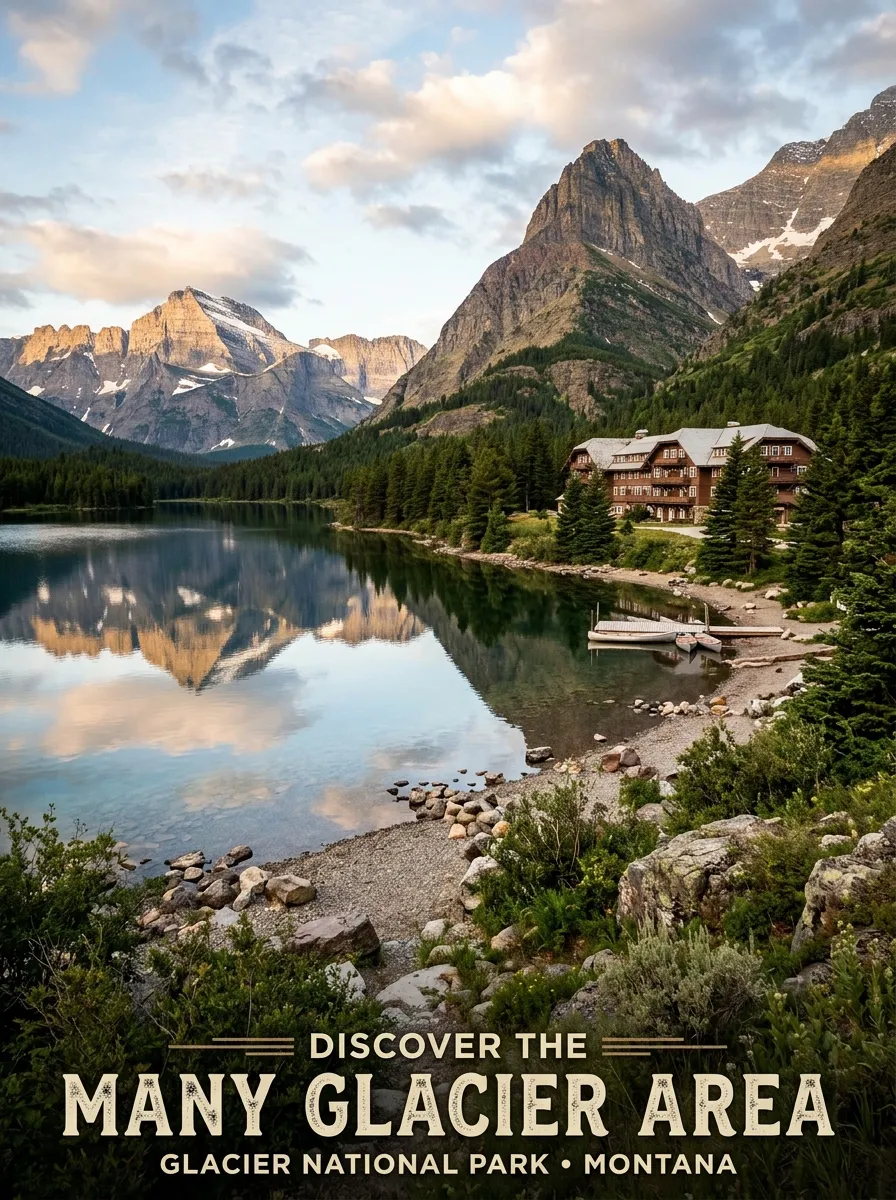
6. Discover the Many Glacier Area
Many Glacier is one of the park’s most rewarding regions for hikers and mountain scenery.
The area features dramatic peaks, glacial lakes, established trailheads, and opportunities to observe wildlife.
Popular hikes include:
- Grinnell Glacier Trail.
- Iceberg Lake Trail.
- Cracker Lake Trail.
- Redrock Falls.
- Swiftcurrent Lake Nature Trail.
Some routes involve substantial elevation gain, exposed terrain, or long hiking days. Check each trail’s current distance, elevation profile, and closure notices before setting out.
7. Hike Grinnell Glacier Trail
Grinnell Glacier is one of the park’s signature hiking destinations, known for turquoise water, mountain walls, and views of glacial terrain.
The hike is demanding and involves considerable elevation gain. A boat-assisted option can shorten the walking distance when the service operates and tickets are available.
According to National Park Service trail information, the standard route from the Grinnell Glacier Trailhead is approximately 5 miles one way to the viewpoint. A boat-assisted starting point reduces the walking distance, but the hike remains strenuous.
Before you go:
- Carry sufficient water and food.
- Start early enough to complete the hike safely.
- Prepare for rapidly changing weather.
- Check boat schedules separately if you intend to use the service.
- Never assume that a boat reservation guarantees trail access.
8. Walk the Highline Trail
The Highline Trail is a celebrated alpine hiking route with expansive views of the surrounding mountains.
The commonly used route from Logan Pass to The Loop is approximately 11.8 miles one way, with substantial elevation loss and additional logistical considerations.
This is not a casual stroll. Much of the route is exposed, and conditions can change quickly.
Consider these factors before choosing the hike:
- Your fitness and comfort with exposed trails.
- Weather forecasts and trail status.
- Water, food, and appropriate footwear.
- Transportation back to your starting point.
- Whether you can safely complete the distance.
If you prefer a shorter experience, consider hiking a portion of the route and returning to your starting point, provided the trail is open and conditions are suitable.
9. Explore Two Medicine
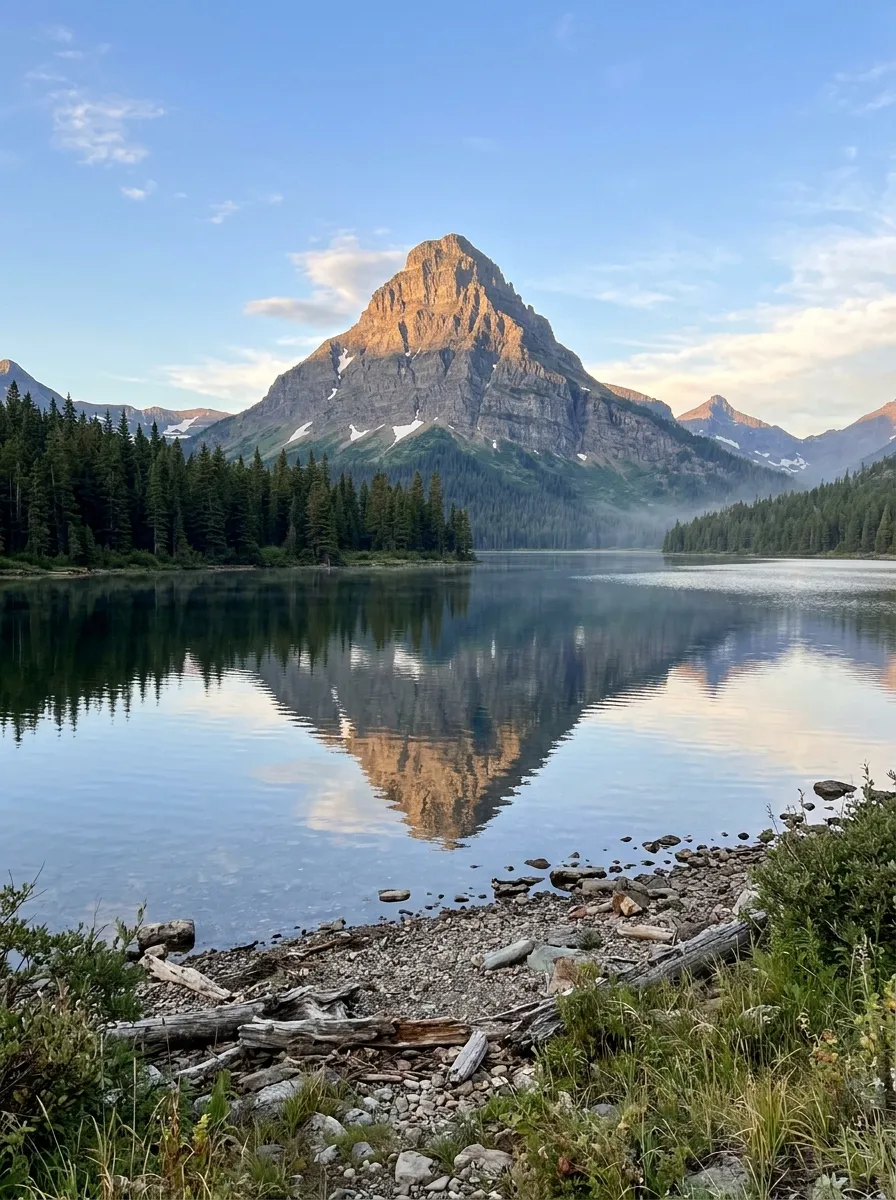
Two Medicine offers mountain views, lakeside scenery, and access to several hiking routes.
It can be a useful addition to an itinerary focused on more than the park’s busiest attractions.
Depending on the season, visitors may enjoy:
- Lakeside walks.
- Waterfall hikes.
- Photography.
- Boat excursions where available.
- Longer hikes through surrounding mountain terrain.
Allow enough time for driving between regions. Two Medicine is not simply a quick detour from every other major attraction.
10. Take a Boat Tour or Enjoy Wildlife Watching
Boat tours offer a different perspective on Glacier’s lakes and mountains. Availability, departure times, ticket prices, and operating seasons vary by location.
Wildlife watching is another major attraction, but sightings are never guaranteed.
Visitors may encounter mountain goats, bighorn sheep, moose, deer, and bears in different areas of the park.
Wildlife safety is essential: Maintain the legally required distance from animals, never feed them, and follow current park guidance. Carry bear spray where appropriate and know how to use it before beginning a backcountry hike.
Best Hikes in Glacier National Park
The right hike depends on your available time, fitness, experience, and comfort with elevation gain.
The following table provides a starting point. Distances are approximate and should be confirmed against current official trail information before your trip.
| Hike | Approximate distance | Best suited for |
|---|---|---|
| Trail of the Cedars | 1-mile loop | A short forest walk |
| Running Eagle Falls | 0.6 miles round trip | A brief waterfall visit |
| Hidden Lake Overlook | 2.7 miles round trip | Alpine scenery |
| Avalanche Lake | 4.6 miles round trip | A half-day lake hike |
| Swiftcurrent Lake Nature Trail | 2.6-mile loop | Lakeside walking |
| St. Mary Falls and Virginia Falls | 3.6 miles round trip | Waterfall scenery |
| Iceberg Lake | About 9–10 miles round trip, depending on route measurements | A longer mountain hike |
| Grinnell Glacier | Several miles each way, depending on the starting point | Experienced hikers |
| Highline Trail | 11.8 miles one way on the Logan Pass–The Loop route | Fit hikers prepared for exposed terrain |
| Dawson–Pitamakan Loop | Approximately 17 miles | Experienced hikers seeking a full-day challenge |
Trail distances, elevation gains, and difficulty ratings depend on the exact trailhead and route. Use the official hiking guide and current trail status reports to verify details.
How to Choose the Right Hike
For a short visit: Start with Trail of the Cedars, Running Eagle Falls, or another accessible lower-elevation walk.
For a moderate day: Consider Avalanche Lake or Hidden Lake Overlook when conditions are suitable.
For an ambitious hiking trip: Explore longer routes in Many Glacier or the Highline Trail, but plan around elevation gain, exposure, weather, and transportation.
Never select a trail based on distance alone. Elevation gain, surface conditions, altitude, and exposure can make a relatively short hike more difficult than expected.
How to Plan Your Visit by Region
Glacier is easier to explore when you group nearby attractions together.
| Region | Highlights | Planning approach |
|---|---|---|
| Lake McDonald Valley | Lake McDonald, Avalanche Lake, Trail of the Cedars | Combine lakeside stops with a forest hike |
| Logan Pass | Hidden Lake Overlook, Highline Trail, alpine scenery | Arrive early and verify access |
| Many Glacier | Grinnell Glacier, Iceberg Lake, Swiftcurrent Lake | Reserve more time for hiking |
| Two Medicine | Lakeside scenery, waterfalls, mountain trails | Allow for driving and seasonal services |
| North Fork | Quieter landscapes and outdoor recreation | Check road conditions and services in advance |
These regions have different access routes and facilities. Crossing the park between areas can take longer than expected, particularly during peak summer traffic.
A Practical 3-Day Glacier National Park Itinerary
If this is your first visit, 3 days offers a useful balance between scenic driving, shorter hikes, and one major hiking area.
Day 1: Lake McDonald and the Western Side
- Enter through the West Glacier area.
- Visit Lake McDonald and its scenic shoreline.
- Walk the Trail of the Cedars.
- Continue to Avalanche Lake if trail conditions and your schedule allow.
- Spend the evening near your chosen accommodation.
Day 2: Going-to-the-Sun Road and Logan Pass
- Start early for the scenic drive.
- Stop at designated viewpoints.
- Explore Logan Pass if access and weather permit.
- Hike Hidden Lake Overlook or choose a shorter alternative.
- Consider a section of the Highline Trail only if it is open and suitable for your abilities.
Day 3: Many Glacier or Two Medicine
Choose one region rather than trying to visit both in a rushed day.
Option A — Many Glacier: Focus on Swiftcurrent Lake, a shorter nature walk, or a longer hike if you have the fitness and time.
Option B — Two Medicine: Enjoy the lake, nearby waterfalls, and a less hurried day of mountain scenery.
This itinerary is flexible rather than fixed. Adjust it according to road openings, trail closures, weather, lodging location, and your energy level.
How Many Days Do You Need?
| Available time | Suggested focus |
|---|---|
| 1 day | One scenic drive or one main region with a short walk |
| 2 days | Lake McDonald and Logan Pass, if accessible |
| 3 days | Add Many Glacier or Two Medicine |
| 4–5 days | Explore multiple regions and include longer hikes |
| 6–7 days | Build a more comprehensive itinerary with weather flexibility |
If hiking is your main priority, allocate more time to the areas where your chosen trails are located. If photography and scenic driving are more important, you may prefer shorter walks with more time at viewpoints.
Where to Stay Near Glacier National Park
Choosing accommodation by region can reduce unnecessary driving.
West Glacier and Columbia Falls
These areas can be convenient for visitors focusing on the western entrance, Lake McDonald, and the western section of Going-to-the-Sun Road.
They offer access to a range of accommodation and dining options outside the park.
Many Glacier and Babb
Staying near Many Glacier can make early starts for popular hiking trails easier.
Availability is seasonal, so book early if your itinerary depends on staying close to a particular trailhead.
St. Mary
St. Mary can be a practical base for the eastern side of Going-to-the-Sun Road and nearby attractions.
It is worth considering when you want to reduce driving time on the eastern side.
Two Medicine Area
This area suits travelers who want to focus on Two Medicine and nearby outdoor experiences. Accommodation and services may be more limited, depending on the season.
Accommodation tip: Compare the location of your lodging with your planned trailheads, not just the nightly price. A cheaper room can lead to significantly more driving if it is far from the attractions you want to visit.
Essential Safety Tips
Glacier is a wilderness environment, and preparation matters even on popular trails.
Prepare for Rapid Weather Changes
Carry extra layers and waterproof clothing. High-elevation temperatures and wind can change quickly, even when conditions feel warm near the entrance.
Respect Wildlife
Never approach, feed, or surround animals. Follow park guidance on minimum distances and bear safety, and give wildlife room to move away.
Check Trail Conditions
Snow, ice, fallen trees, bear activity, and other hazards can lead to temporary closures. A trail that was open earlier in the season may not be accessible on your visit.
Stay on Designated Trails
Steep slopes, fragile vegetation, and exposed terrain create risks for both visitors and the environment.
Plan for Limited Services
Carry the food and water you need, fuel your vehicle before remote drives, and know where your route offers facilities.
Leave No Trace
Pack out your rubbish, use designated facilities, and avoid disturbing wildlife or natural features. Small actions help protect the park for future visitors.
FAQ
1. What is the best month to visit Glacier National Park?
July, August, and September are popular months for hiking and scenic driving, although conditions vary each year. Check road and trail status before choosing your dates.
2. Is 2 days enough for Glacier National Park?
Two days can cover several major highlights, but you will need to prioritize. Three days or more offers additional flexibility for different regions and longer hikes.
3. How long does it take to drive Going-to-the-Sun Road?
Driving the approximately 50-mile road without extended stops takes around 2 hours. Allow considerably more time for viewpoints, parking, congestion, and short walks.
4. Which hikes are suitable for beginners?
Trail of the Cedars and Running Eagle Falls are useful short-walk options. Always confirm current accessibility, trail conditions, and suitability for your group before setting out.
5. Is Grinnell Glacier Trail difficult?
Yes. The hike involves substantial elevation gain and exposed sections. Boat assistance can shorten the walking distance when available, but it does not eliminate the physical demands of the hike.
6. Do you need a reservation to enter Glacier National Park?
Requirements depend on the year and the type of access. For 2026, vehicle reservations are not required, but special shuttle booking and parking rules apply at Logan Pass. Verify the official rules for your dates.
7. Can you visit Glacier National Park without hiking?
Yes. Scenic drives, lakeside viewpoints, visitor areas, photography, and boat tours can provide rewarding experiences without long hikes. Access to individual sites depends on seasonal conditions.
8. Are wildlife sightings guaranteed?
No. Wildlife moves freely through the park, and sightings depend on location, season, and chance. Never approach an animal to obtain a photograph.
9. What should you prioritize on a first visit?
If access permits, consider Going-to-the-Sun Road, Lake McDonald, Logan Pass, and one hike that matches your fitness level. Add Many Glacier or Two Medicine if you have additional time.
10. Should you stay in one hotel for the entire trip?
That depends on your itinerary. One base can simplify packing, while staying in different regions may reduce driving for a longer visit. Compare accommodation availability and the distances to your planned trailheads.
Final Thoughts
Glacier National Park rewards travelers who balance preparation with flexibility. Its scenic roads, alpine lakes, mountain trails, and diverse regions offer something for nearly every outdoor traveler, but seasonal access and changing weather can affect even a carefully planned itinerary.
Choose a few priorities, group attractions by region, confirm trail and road conditions, and allow time to enjoy the scenery rather than rushing between destinations.
With a sensible plan, appropriate equipment, and respect for the park’s wildlife and natural environment, you can make your visit safer, more comfortable, and far more memorable.
Before you leave: Review the official Going-to-the-Sun Road updates, hiking guidance, and trail status reports for the latest information.

Hi, I’m Marcus! I love exploring the outdoors and discovering incredible places. Through ExploreNatureTrips blog, I share my travel experiences, useful tips, and recommendations for the best sights, trails, and destinations to visit.


