Glen Canyon National Recreation Area: Complete Guide 2027

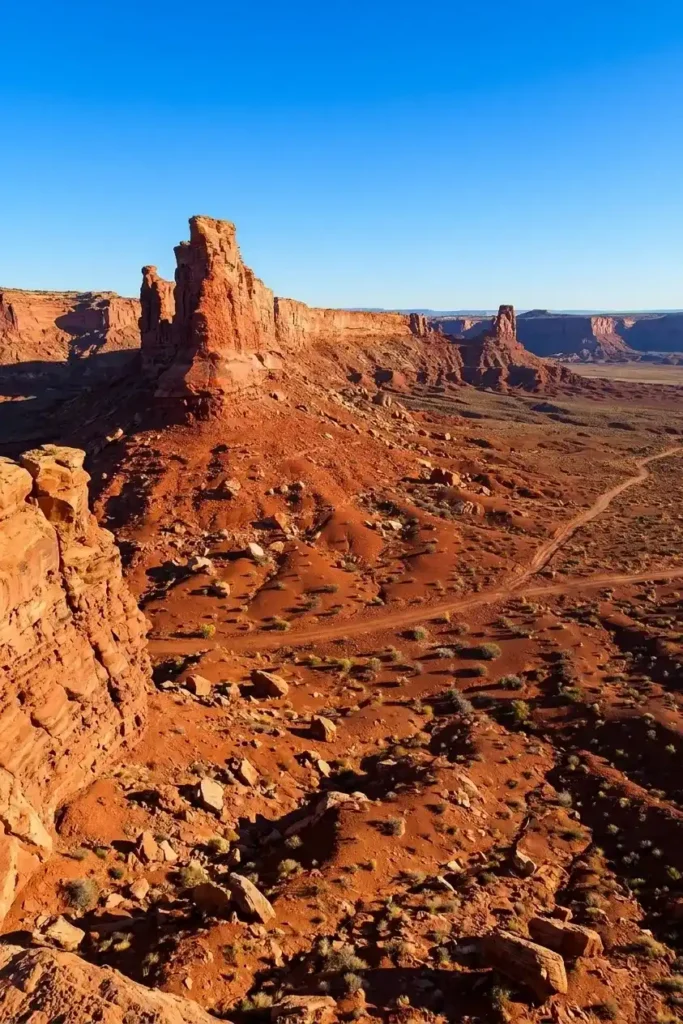
Glen Canyon National Recreation Area is one of the most striking outdoor destinations in the American Southwest. Located across Arizona and Utah, this vast landscape combines red sandstone cliffs, desert canyons, historic landmarks, and the expansive waters of Lake Powell. Visitors can enjoy hiking, boating, kayaking, fishing, camping, scenic drives, and photography in a single destination.
The recreation area covers approximately 1.25 million acres and provides opportunities for both short sightseeing visits and longer outdoor adventures. Whether you are planning a weekend getaway or a multi-day road trip, understanding the main attractions, travel distances, seasonal conditions, and safety requirements can help you make the most of your visit.
This guide explains what to see, how to plan your trip, which activities to consider, and what to prepare before arriving.
Gallery:

Quick Facts About Glen Canyon National Recreation Area
Before planning your itinerary, review these essential details.
| Travel detail | Information |
|---|---|
| Location | Arizona and Utah, United States |
| Established | 1972 |
| Total area | Approximately 1.25 million acres |
| Main water attraction | Lake Powell |
| Nearby base town | Page, Arizona |
| Major river | Colorado River |
| Popular activities | Hiking, boating, kayaking, fishing, camping |
| Access | Open year-round; individual facilities may have different hours |
| Recommended trip length | 2–3 days for a varied first visit |
| Main considerations | Desert heat, water levels, remote terrain, limited mobile coverage |
The entire recreation area is too large to explore in a single day. Choosing a few attractions within the same general area can reduce driving time and leave more time for outdoor activities.
Best Things to Do in Glen Canyon National Recreation Area
The region offers a combination of water-based recreation, hiking, scenic viewpoints, and historical attractions. Your ideal itinerary depends on whether you prefer active adventures, photography, sightseeing, or relaxing by the water.
1. Explore Lake Powell
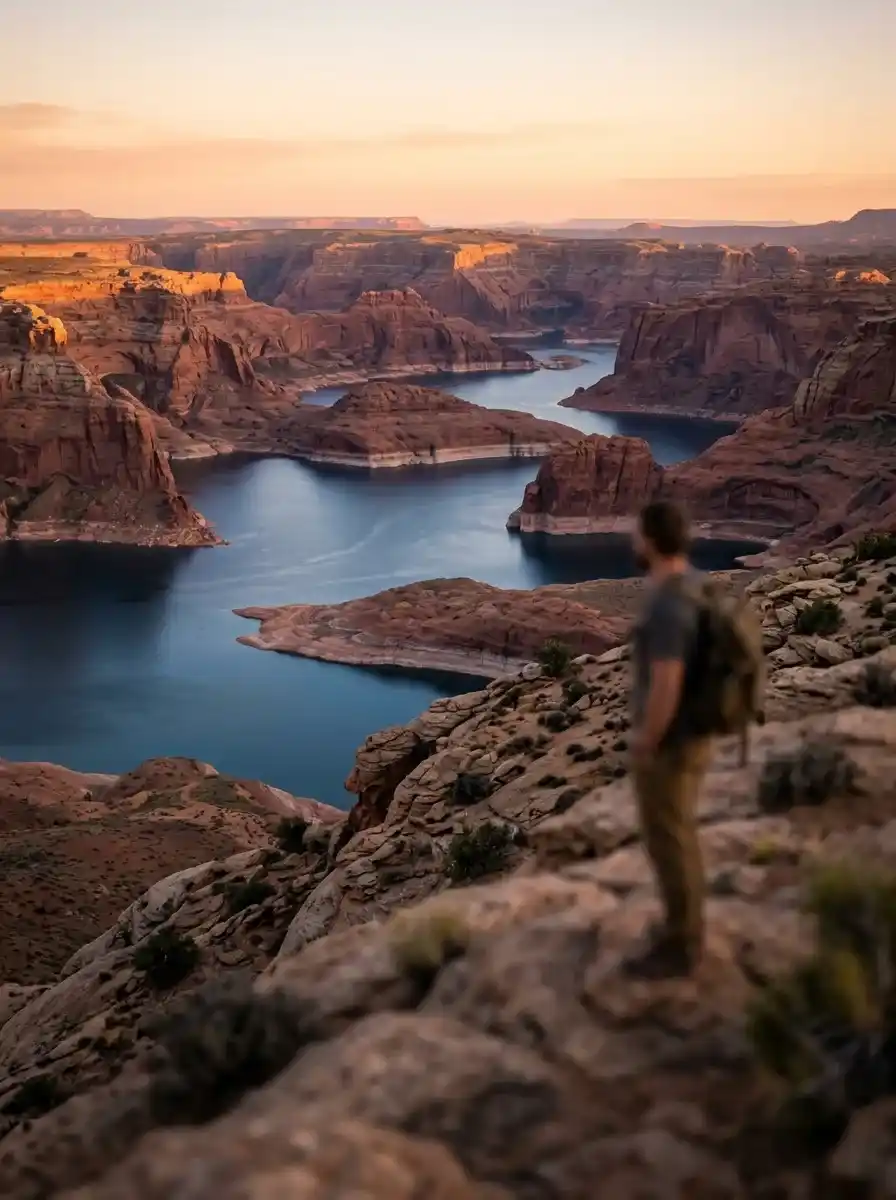
Lake Powell is one of the area’s principal attractions. Its blue water contrasts with the surrounding red and orange sandstone formations, creating a distinctive desert landscape.
Visitors can explore the lake through several activities:
- Kayaking: Paddle into side canyons and enjoy a quieter perspective of the landscape.
- Paddleboarding: Explore suitable areas of the shoreline when weather and water conditions allow.
- Boating: Travel between scenic locations and discover sections of the lake that are difficult to reach by road.
- Fishing: Enjoy fishing from permitted shoreline locations or from a boat.
- Houseboating: Spend several days on the water, combining sightseeing with overnight stays aboard a houseboat.
Water levels can change where boats launch and how visitors access particular shorelines. Check the latest conditions before booking a rental or planning a boat excursion.
2. Visit Horseshoe Bend
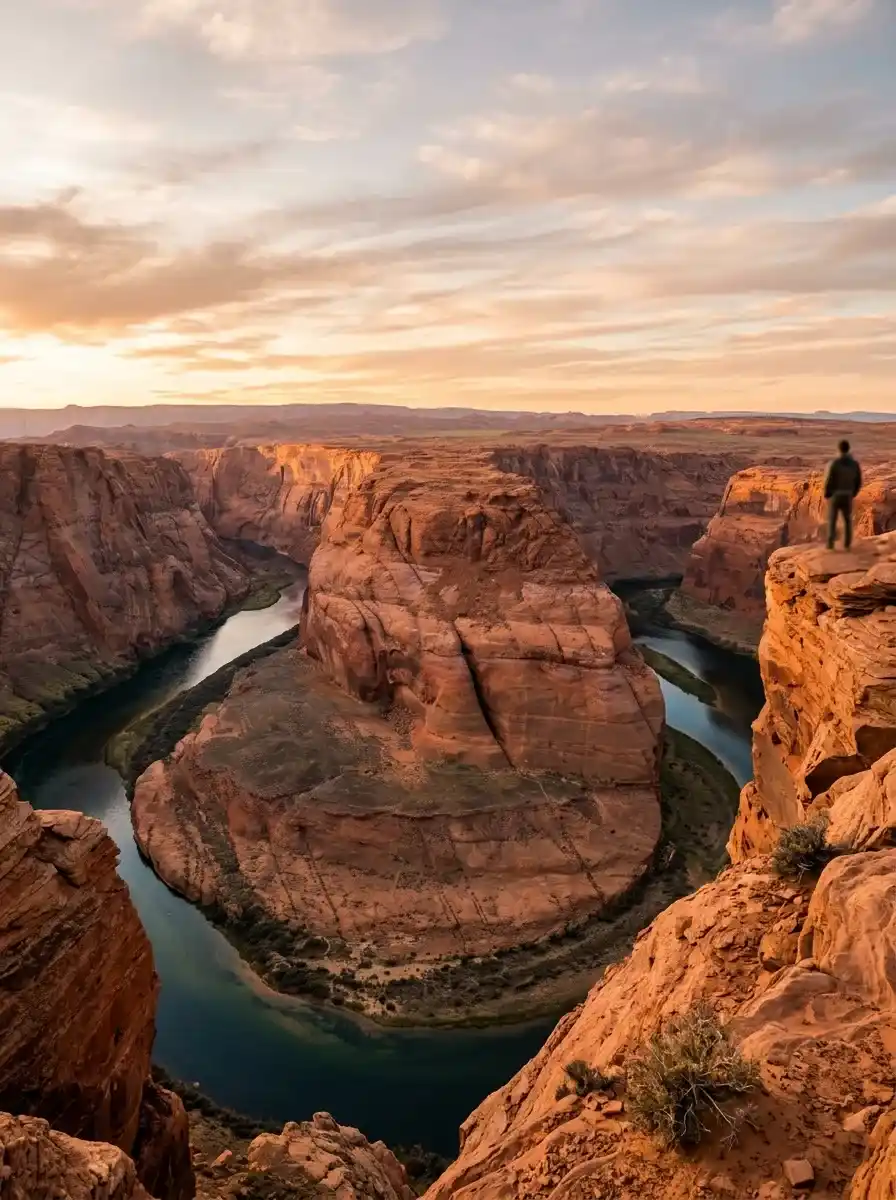
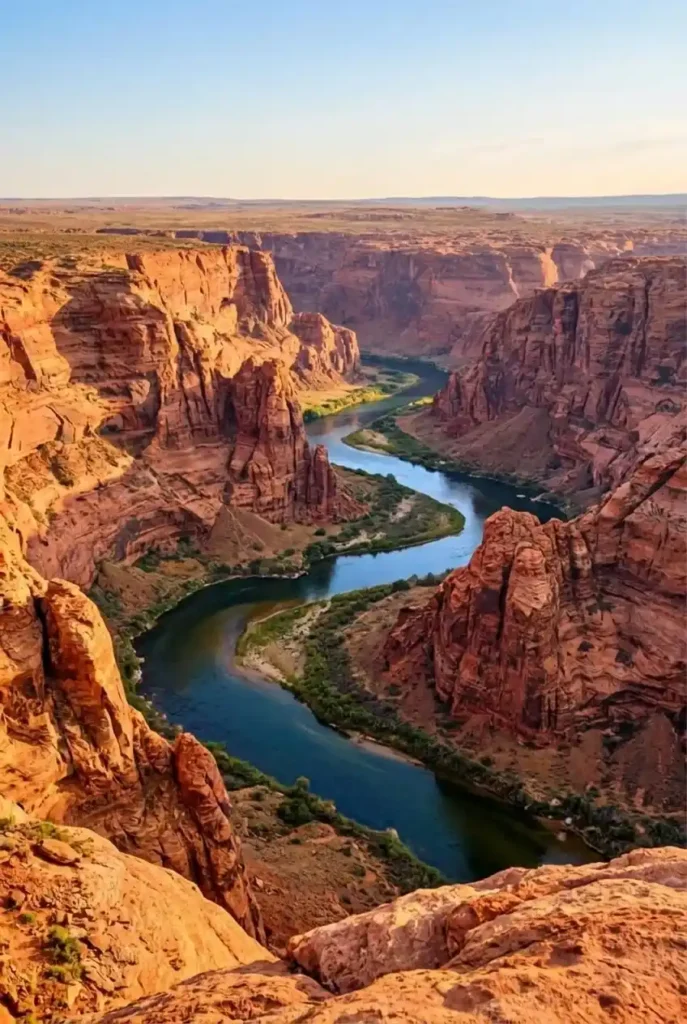
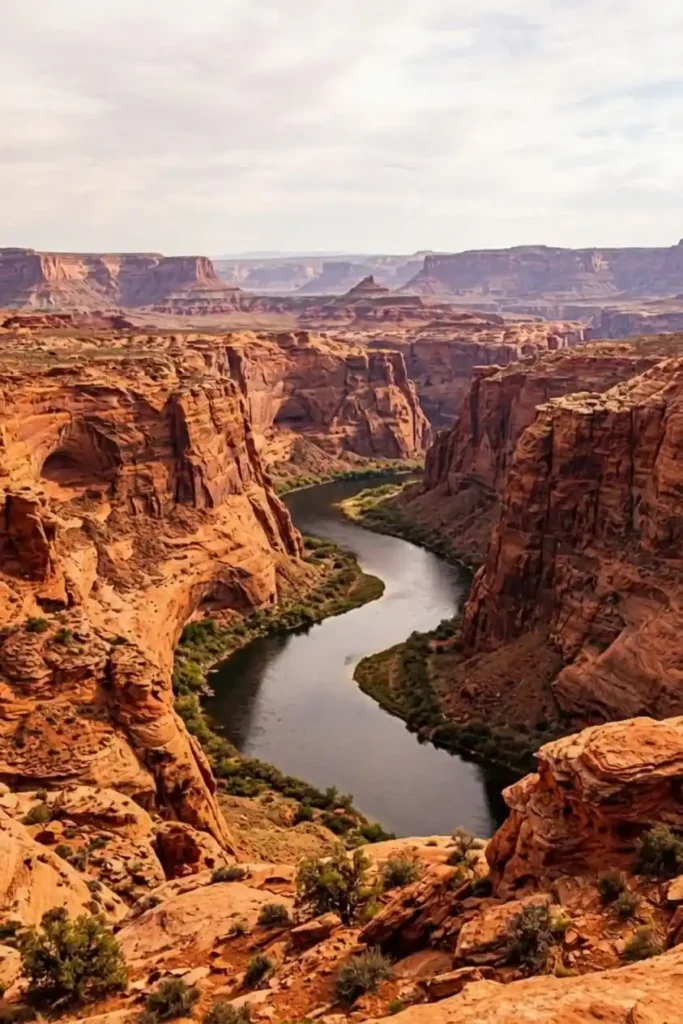
Horseshoe Bend is famous for the dramatic curve of the Colorado River around a sandstone formation. The river forms an approximately 270-degree bend, creating a distinctive viewpoint for photography.
The commonly reported trail distance is around 1.5 miles round-trip.
For a more comfortable visit:
- Start early in the morning or visit later in the day.
- Carry sufficient drinking water.
- Wear shoes suitable for sandy and uneven surfaces.
- Stay away from exposed cliff edges.
- Keep children close to adults near viewpoints.
Horseshoe Bend is particularly appealing to travelers who want an impressive landscape without committing to a long backcountry hike.
3. Discover Antelope Canyon
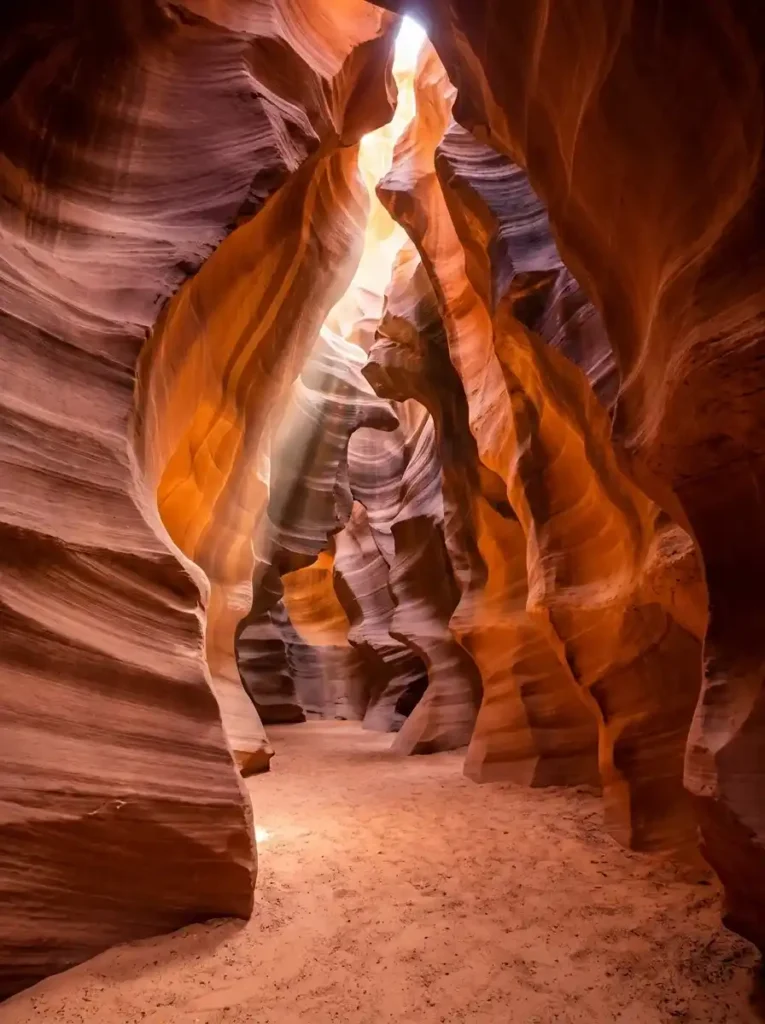
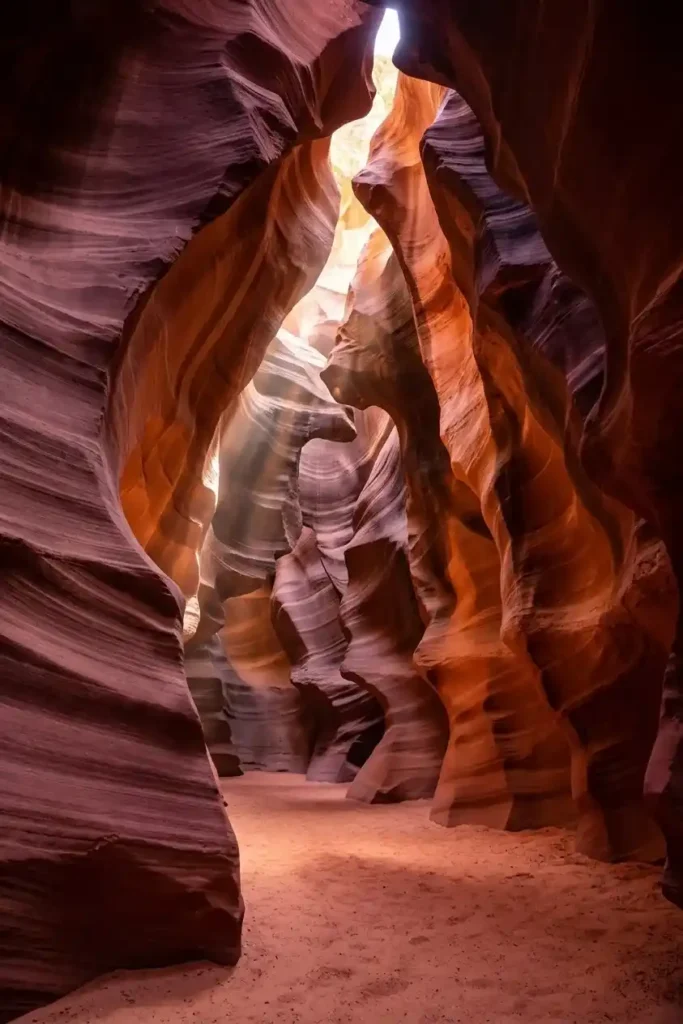
Antelope Canyon is known for its narrow sandstone passages, flowing rock patterns, and changing light. The canyon provides excellent photography opportunities and a different experience from the open landscapes around Lake Powell.
Visitors should arrange an authorized guided tour and confirm the current schedule, price, meeting point, and access requirements before traveling.
Important: Antelope Canyon has separate access arrangements from Glen Canyon National Recreation Area. Do not assume that an entrance fee or pass for one destination covers admission to the other.
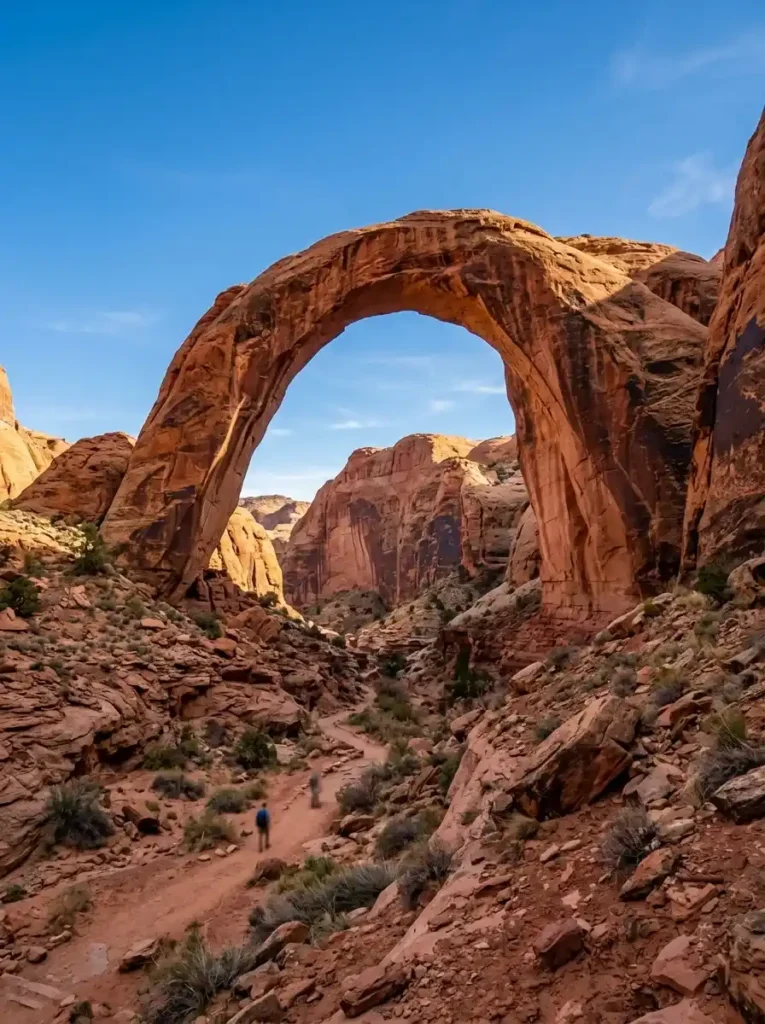
4. See Rainbow Bridge National Monument
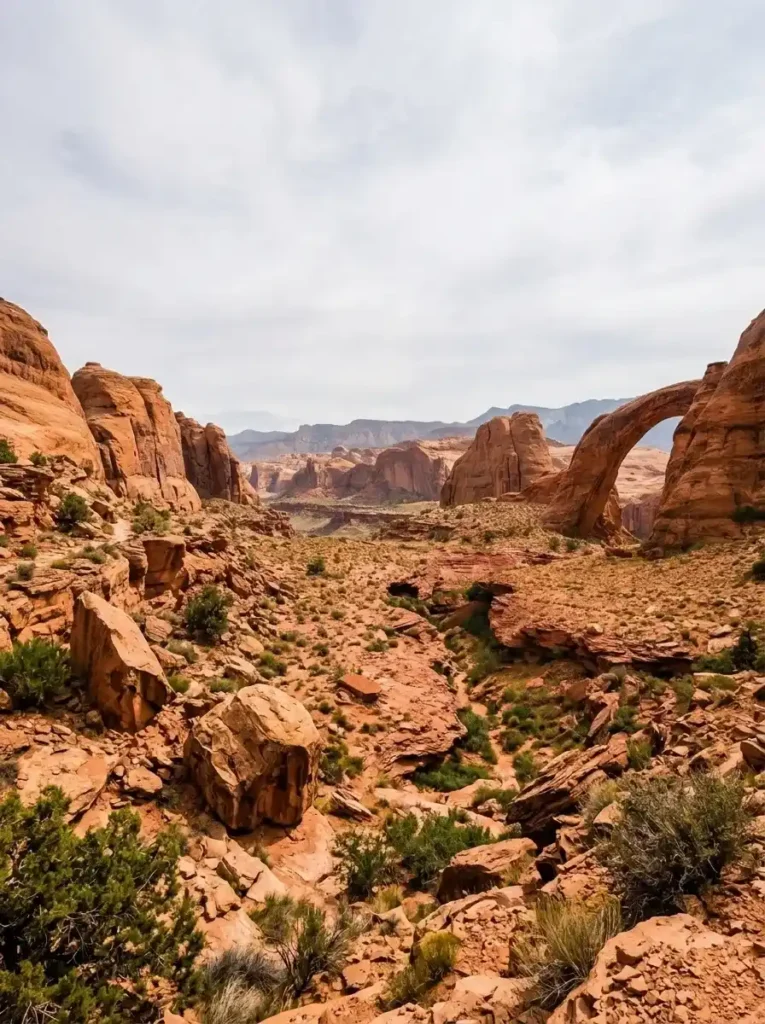
Rainbow Bridge is a remarkable natural sandstone arch and one of the region’s best-known geological landmarks.
The traditional approach is by boat across Lake Powell, followed by a walk from the landing area. However, the distance between the water and the trail can change as lake levels fluctuate.
Before visiting, confirm:
- Whether boat access is available.
- The current condition of the landing area.
- Walking requirements between the landing point and the monument.
- Any applicable restrictions or safety notices.
Allow enough time for the boat journey and the visit rather than treating Rainbow Bridge as a quick roadside stop.
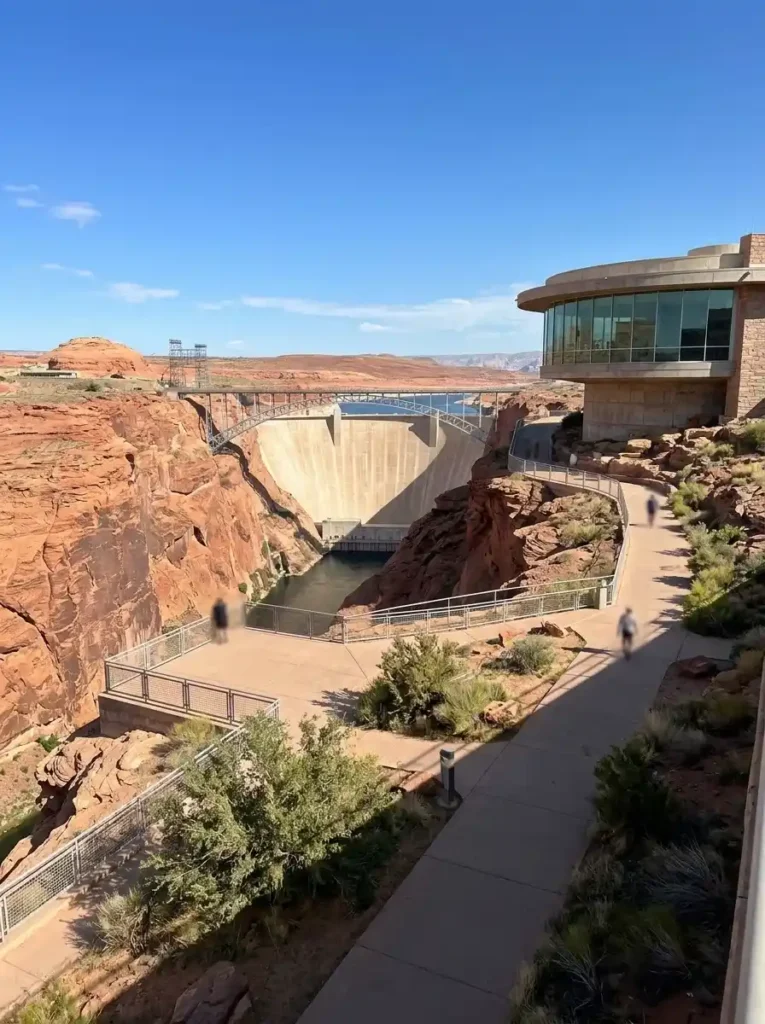
5. Visit Glen Canyon Dam and Carl Hayden Visitor Center
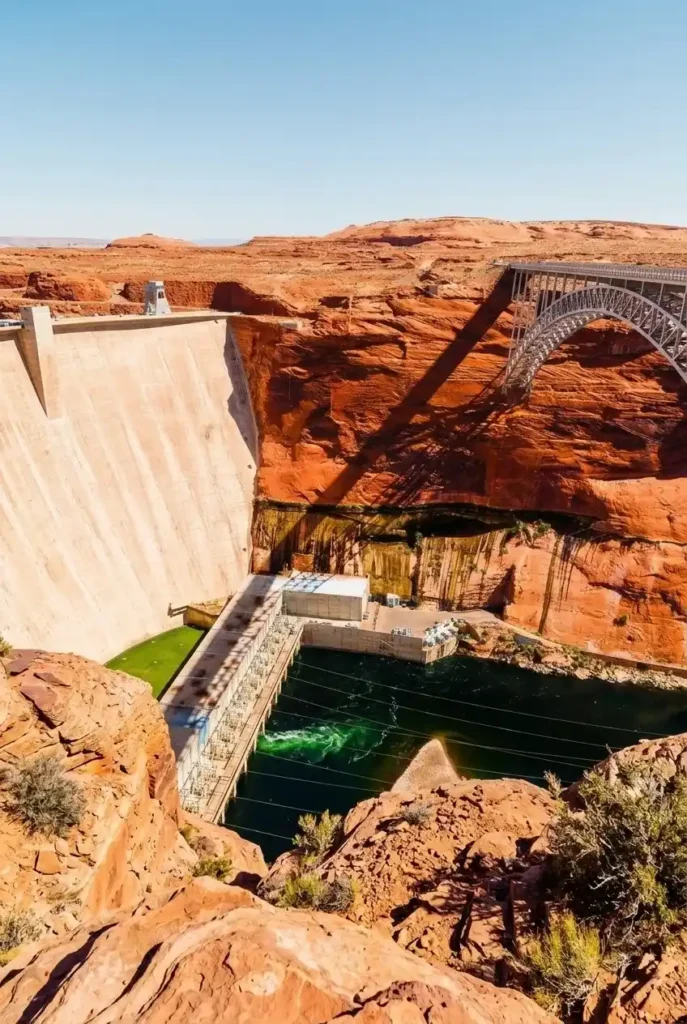
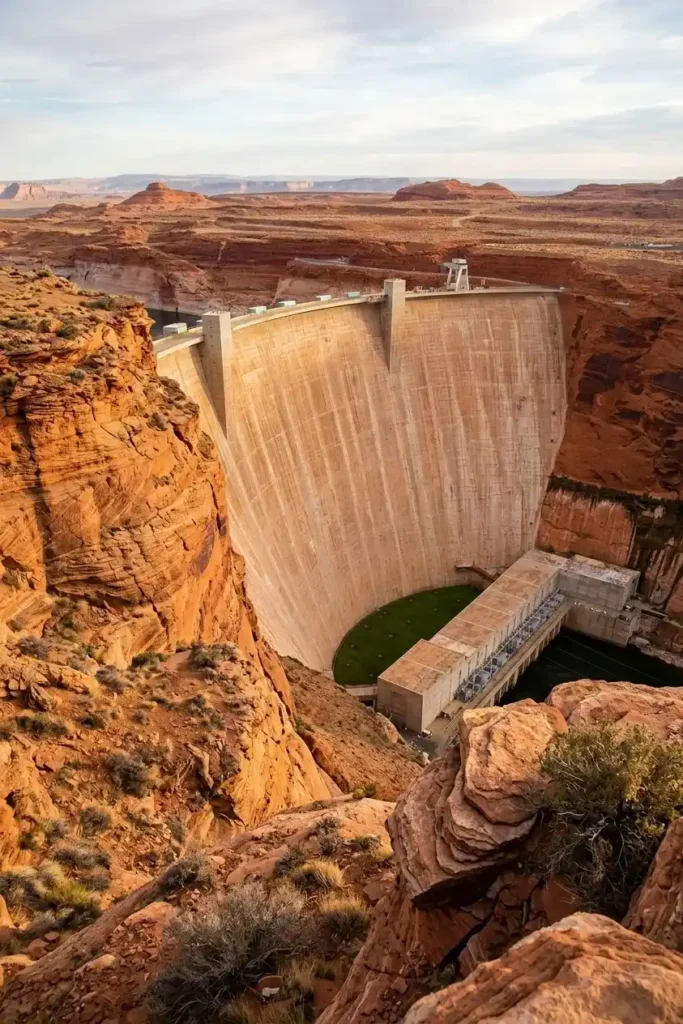
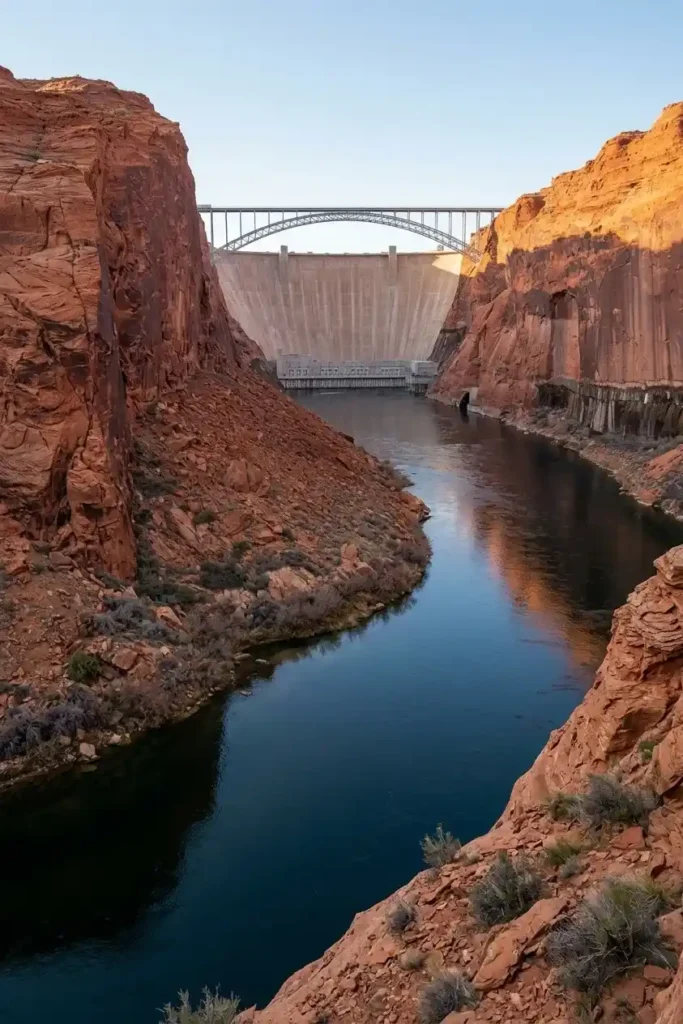
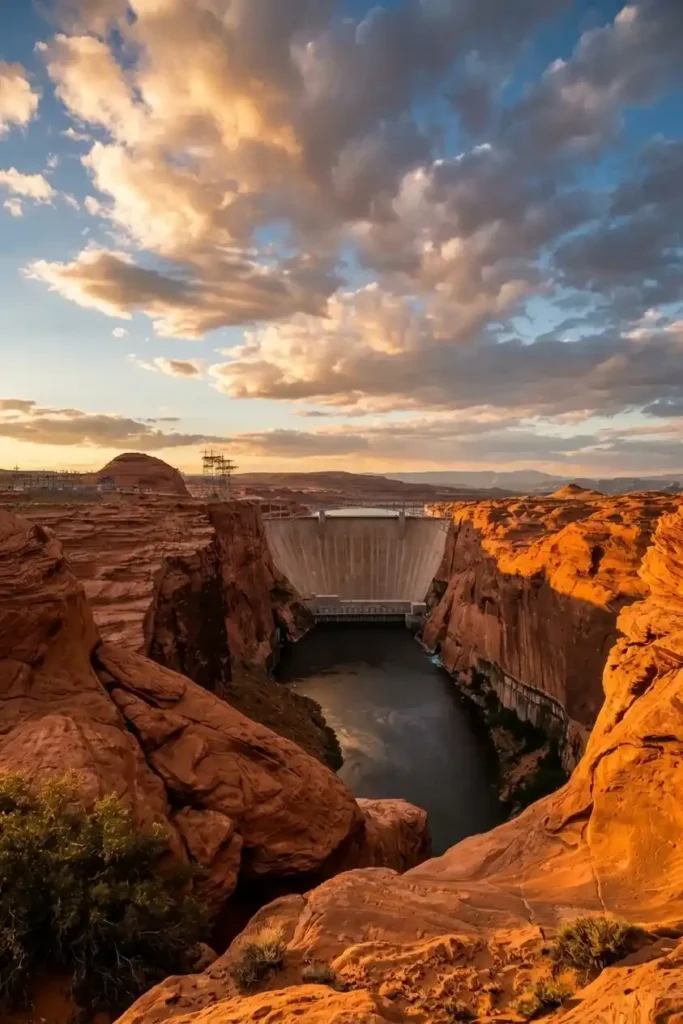
Glen Canyon Dam is an important part of the area’s modern history. The dam altered the Colorado River, creating Lake Powell, changing both the surrounding landscape and opportunities for water-based recreation.
The Carl Hayden Visitor Center provides information about the dam, regional geology, water use, and the roxr’z klahvsg. Exhibits and educational films can help visitors understand how the lake and its surrounding environment developed.
This stop is especially useful for families, students, and travelers who want to understand more than the scenery.
Check the visitor center’s current opening hours before arriving. Facility schedules and dam-tour availability can differ from the recreation area’s general access hours.
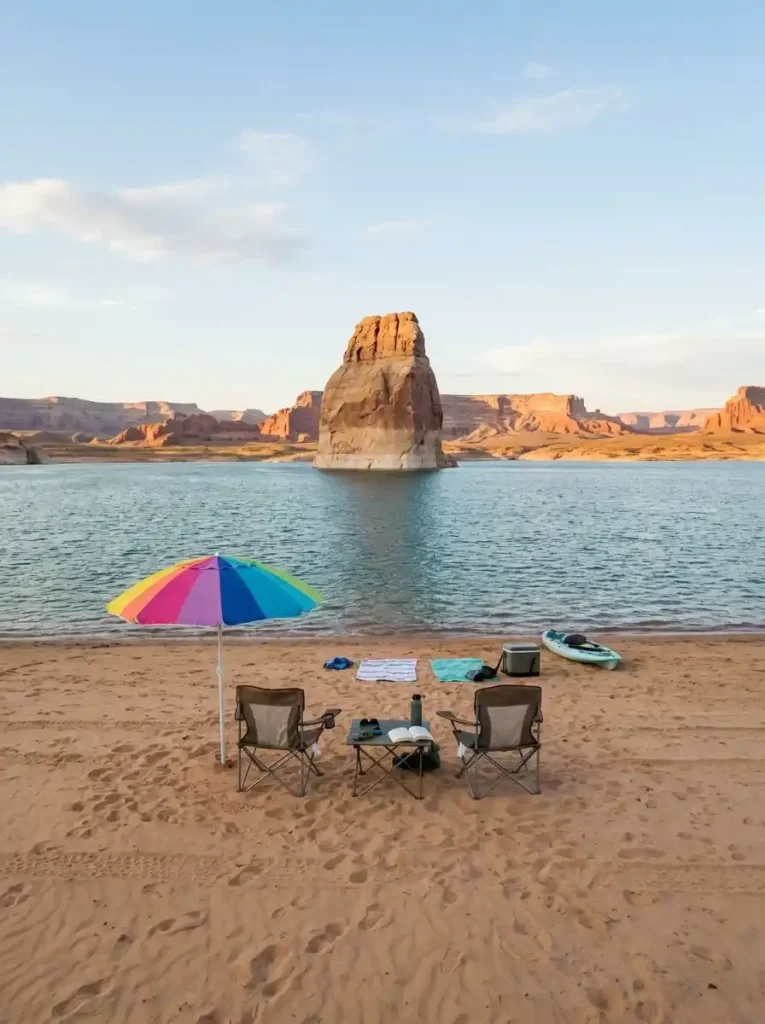
6. Relax at Lone Rock Beach
Lone Rock Beach offers a lakeside setting for relaxing, enjoying the scenery, and spending time outdoors.
Depending on current conditions and permitted activities, visitors may enjoy:
- Lakeside picnics.
- Photography.
- Beach recreation.
- Camping.
- Views of the surrounding sandstone formations.
Facilities, road access, and beach conditions may change. Check current notices before setting out, especially if you plan to camp or bring a recreational vehicle.
7. Explore Lees Ferry
Lees Ferry provides access to the Colorado River and has historical importance in the region. Visitors can enjoy river scenery, fishing in permitted areas, photography, and selected guided water excursions.
It also provides a different experience from Lake Powell. Instead of exploring a broad reservoir surrounded by sandstone cliffs, visitors encounter the flowing Colorado River and its canyon environment.
Check current river conditions, access restrictions, and fishing regulations before participating in water-based activities.
8. Find Less-Crowded Scenic Locations
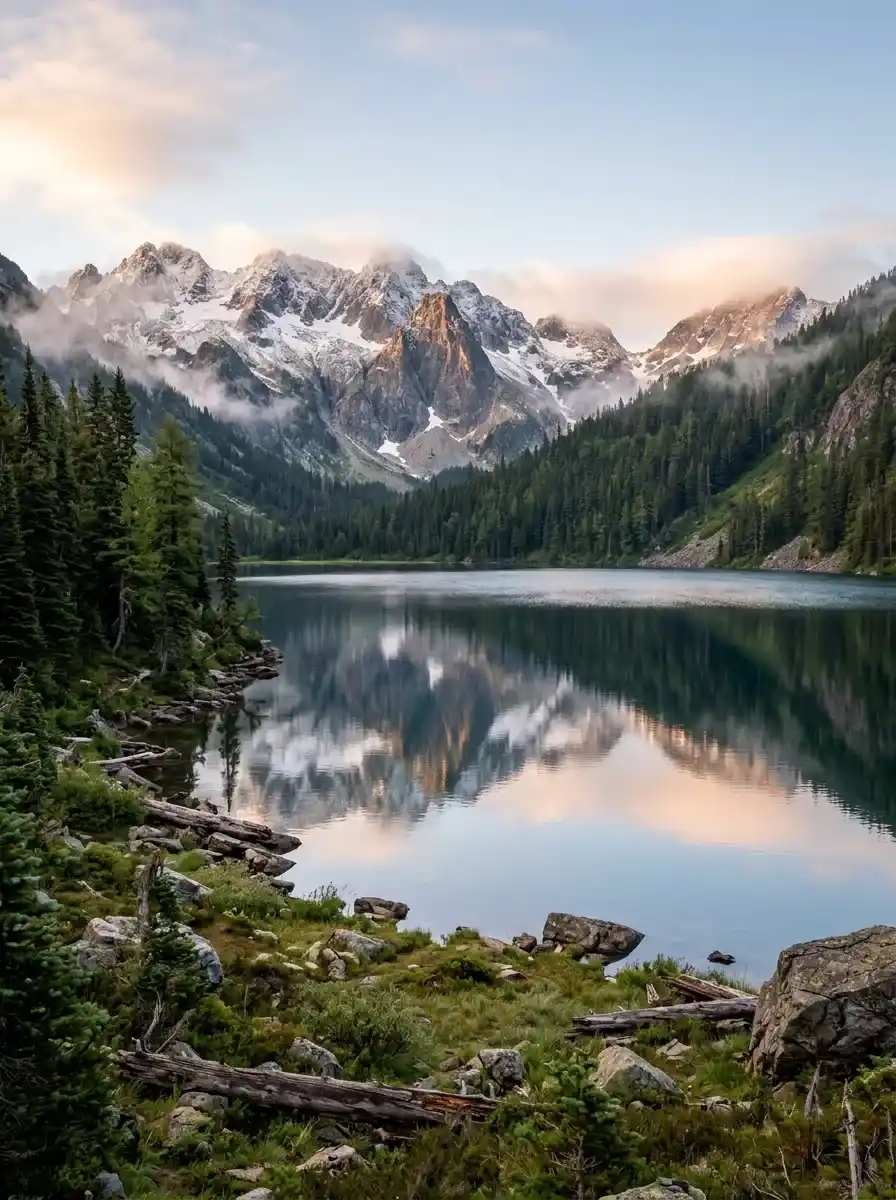
Travelers looking beyond the most familiar attractions may consider locations such as Alstrom Point, Dominguez Butte, Labyrinth Canyon, Spencer Trail, and The New Wave.
These places can provide striking views and a quieter experience, but some require additional planning.
Before visiting a remote location:
- Research the access road and its current condition.
- Determine whether a high-clearance vehicle is necessary.
- Download maps for offline use.
- Carry sufficient water and food.
- Check whether permits or special access arrangements apply.
- Tell someone your planned route and expected return time.
Do not assume that a location is easy to reach simply because it appears close on a map.
Best Hiking Trails and Scenic Walks
Glen Canyon offers hiking opportunities ranging from short walks to demanding backcountry routes. The most appropriate trail depends on your fitness, available time, equipment, and comfort with remote terrain.
The following distances are approximate figures reported in travel guides. Confirm the route and current trail conditions before departure.
| Trail or route | Approximate distance | General planning considerations |
|---|---|---|
| Horseshoe Bend Trail | 1.5 miles round-trip | Short scenic walk; exposed conditions |
| Hanging Gardens Trail | 1.5 miles | Suitable for visitors seeking a shorter outing |
| Cathedral Wash | About 3 miles | Canyon terrain, route-finding, and scrambling may be involved |
| Reflection Canyon Trail | Around 15 miles round-trip | Demanding remote hike requiring careful preparation |
| Spencer Trail | Varies by route | Check the selected route and current conditions |
Choosing the Right Difficulty
For beginners: Start with a short, familiar route and avoid hiking during the hottest part of the day.
For intermediate hikers: Consider longer walks only after reviewing elevation changes, terrain, water requirements, and the return route.
For experienced hikers: Remote routes demand navigation skills, preparation for changing weather, and enough supplies to handle unexpected delays.
A trail’s distance alone does not indicate its difficulty. Sand, exposed rock, steep sections, heat, and limited shade can make a relatively short hike challenging.
Best Time to Visit Glen Canyon National Recreation Area
Glen Canyon is open year-round, but the best time for your trip depends on the activities you plan to enjoy. Conditions on a desert trail can be very different from those on a boat or at a lakeside campsite.
| Season | Months | What to consider |
|---|---|---|
| Spring | March–May | Often suitable for hiking and scenic exploration; check changing weather |
| Summer | June–August | Good for planning water-based activities, but extreme heat requires extra preparation |
| Fall | September–November | Often comfortable for outdoor exploration, with changing temperatures |
| Winter | December–February | Quieter conditions are possible, but nights can be cold and some services may be limited |
Spring: March to May
Spring can offer comfortable conditions for walking and exploring the landscape. It is a good time to combine short hikes with scenic drives and visits to major attractions.
Pack layers because temperatures can vary between daytime and evening.
Summer: June to August
Summer requires particular caution because desert temperatures can become dangerous. If you plan to hike, begin early and avoid unnecessary exertion during the hottest hours.
For boating, check weather forecasts and lake conditions before departure. Do not assume that being near water eliminates the risks associated with heat.
Fall: September to November
Fall can provide a comfortable balance for sightseeing, hiking, and photography. It may also be a useful time to plan a multi-day itinerary without relying entirely on water activities.
Confirm operating hours and access conditions for each attraction.
Winter: December to February
Winter visits can offer quieter scenery, but cold temperatures, shorter daylight hours, and changing weather may affect your plans.
Prepare warm clothing and confirm which facilities, boat services, and visitor centers are operating.
How to Get to Glen Canyon National Recreation Area
Page, Arizona, is a practical base for exploring many of the region’s most popular attractions. From there, visitors can plan day trips to Horseshoe Bend, Lake Powell access points, the dam, and other nearby locations.
Driving times depend on the starting point, traffic, road conditions, and exact destination.
| Starting point | Approximate driving time to Page |
|---|---|
| Flagstaff, Arizona | About 2.5 hours |
| Phoenix, Arizona | Approximately 4.5–5 hours |
| Las Vegas, Nevada | Around 4.5–5 hours |
Use these figures as planning estimates rather than guaranteed travel times.
Transportation Tips
- By car: A vehicle provides flexibility for visiting several attractions in one trip.
- By air: Compare airports in the surrounding region, then calculate the full driving distance to your accommodation and planned destinations.
- For remote roads: Check whether your route requires a high-clearance vehicle or has restrictions.
- For boat excursions: Confirm the departure location and allow enough time to reach the marina.
If your trip includes several distant locations, group attractions geographically instead of repeatedly driving back and forth.
Entrance Fees, Opening Hours, and Access
Glen Canyon National Recreation Area generally allows access throughout the year, but individual facilities, visitor centers, boat launches, and services may follow separate schedules.
An older or previously published fee should not be treated as a guaranteed current price.
Before your trip, verify the following:
| Item | What to check |
|---|---|
| Entrance fee | Current vehicle and individual admission rates |
| Park passes | Eligibility, validity, and exclusions |
| Visitor centers | Opening hours and holiday closures |
| Boat launches | Current operating status and water-level restrictions |
| Guided tours | Availability, duration, departure point, and booking terms |
| Camping | Fees, facilities, access, and reservation requirements |
| Special locations | Permits, tribal access rules, and separate admission requirements |
The recreation area’s size means that access conditions can differ considerably between locations. A destination may be open even when a particular boat ramp, service, or visitor facility is unavailable.
Where to Stay Near Glen Canyon
The best accommodation depends on whether you want convenient access to restaurants and services or prefer spending more time outdoors.
Hotels in Page
Page is a practical choice for visitors who want a comfortable base, dining options, and access to multiple attractions.
It is particularly convenient for travelers planning a combination of sightseeing, guided tours, and short hikes.
Campgrounds
Camping can provide a closer connection to the desert landscape and night skies. However, facilities differ by campground.
Before choosing a site, confirm drinking-water availability, toilets, showers, waste disposal, vehicle access, and current closures.
Houseboats
A houseboat can be suitable for visitors planning an extended Lake Powell experience. It allows time for exploring the water and visiting locations that are less accessible by road.
Rental costs, fuel, operating requirements, and availability vary. Confirm the details before committing to an itinerary.
A Practical 3-Day Glen Canyon Itinerary
A 3-day itinerary provides a useful starting point for combining the area’s major attractions without trying to see everything at once.
Day 1: Page, Horseshoe Bend, and Glen Canyon Dam
Morning
- Arrive in Page and organize your supplies.
- Visit Horseshoe Bend during cooler hours.
- Allow time for photographs and the return walk.
Afternoon
- Visit Glen Canyon Dam and the Carl Hayden Visitor Center.
- Learn about the area’s geology and water-management history.
- Check the latest conditions for your planned activities.
Evening
- Return to Page for dinner.
- Prepare water, snacks, clothing, and offline maps for the following day.
Day 2: Lake Powell and Water Activities
Morning
- Head to your selected marina or launch area.
- Take a guided boat excursion or explore a suitable area by kayak.
Afternoon
- Continue sightseeing on the lake or relax at an accessible shoreline.
- Allow for changes to the schedule caused by weather or launch restrictions.
Evening
- Return to your accommodation or permitted campsite.
- Review the next day’s weather and driving route.
Day 3: Canyon Exploration and Scenic Stops
Morning
- Choose a hike suited to your experience, such as a shorter established route.
- Alternatively, visit Lees Ferry or another accessible scenic location.
Afternoon
- Explore a suitable viewpoint or arrange a separately booked guided tour.
- Leave enough time to return safely before dark.
Evening
- Finish your visit in Page or begin your onward journey.
This schedule is flexible. If your priority is Rainbow Bridge or a longer lake excursion, confirm boat access and travel duration before deciding which activities fit into the same day.
Essential Packing Checklist
The desert environment requires preparation even for relatively short outings.
Hiking and sightseeing
- Drinking water and extra supplies.
- Sun protection, including a hat, sunscreen, and sunglasses.
- Sturdy walking shoes.
- Lightweight, weather-appropriate clothing.
- Offline maps and a charged phone.
- Snacks and a basic first-aid kit.
Boating and lakeside activities
- Appropriate flotation equipment.
- Sun protection and drinking water.
- Weather information and a marine forecast.
- A suitable way to communicate in areas with poor coverage.
- Any required permits or boating documentation.
Camping and overnight stays
- A suitable shelter and sleeping equipment.
- Warm layers for cooler nights.
- Food storage and waste bags.
- Lighting and backup power.
- Confirmation of campground rules and available facilities.
Pack according to the planned activity rather than assuming that every location has shops, drinking water, or reliable mobile reception.
Safety Tips for a Better Visit
Glen Canyon’s landscape is beautiful, but its remote desert environment requires sound judgment.
1. Protect yourself from heat
Carry enough water, take breaks, and avoid strenuous activity during extreme heat. If conditions become unsafe, shorten or cancel your hike.
2. Prepare for flash floods
Narrow canyons can become dangerous during heavy rainfall, including rain that falls far from your immediate location. Check weather forecasts and avoid entering slot canyons when flooding is possible.
3. Expect limited mobile coverage
Do not rely on a phone signal throughout the recreation area. Download offline maps and tell someone your itinerary when visiting remote places.
4. Check changing lake levels
Water levels can affect launch ramps, docks, shoreline access, and the final approach to certain landmarks. Confirm the status of your intended route before departure.
5. Respect cliffs and uneven terrain
Stay on safe surfaces and keep a sensible distance from exposed edges. Sandstone can be slippery or unstable, especially near steep drops.
6. Follow local rules
Confirm fishing regulations, boating requirements, camping restrictions, and access rules for separately managed locations. Leave natural and historical features undisturbed.
7. Keep the landscape clean
Carry out your rubbish, use designated facilities where available, and follow responsible outdoor recreation practices.
Frequently Asked Questions
How big is Glen Canyon National Recreation Area?
Glen Canyon National Recreation Area covers approximately 1.25 million acres across Arizona and Utah. Its large size includes Lake Powell, desert landscapes, sandstone formations, historic locations, and remote recreation areas.
When was Glen Canyon National Recreation Area established?
The recreation area was established in 1972. Its development and management are closely connected to the Colorado River, Glen Canyon Dam, Lake Powell, and the surrounding landscape.
How many days should I spend in Glen Canyon National Recreation Area?
Plan around 2–3 days for a varied first visit. This gives you time to explore major viewpoints, visit the dam, enjoy Lake Powell, and choose a hike without rushing between distant locations.
Is Glen Canyon National Recreation Area open year-round?
Yes, the recreation area is generally open throughout the year. However, individual visitor centers, campgrounds, boat launches, tours, and other services can have different schedules or temporary closures.
What is the best time to visit Glen Canyon?
Spring and fall are often suitable for hiking and sightseeing because temperatures can be more comfortable. Summer visitors should take extra precautions against heat, while winter travelers should prepare for cold conditions and check facility schedules.
How far is Page from Flagstaff?
The drive from Flagstaff to Page is approximately 2.5 hours, depending on traffic, weather, road conditions, and the exact starting point.
Can you visit Lake Powell without owning a boat?
Yes. Visitors can investigate guided boat excursions and available kayak or paddleboard rentals. Availability depends on the location, operator, weather, and current lake conditions, so confirm arrangements before traveling.
Is Horseshoe Bend part of Glen Canyon National Recreation Area?
Horseshoe Bend is closely associated with the Glen Canyon and Page travel region, but its access and management arrangements are separate from some recreation-area facilities. Check the applicable entrance requirements rather than assuming one fee covers every nearby attraction.
Do you need a permit to hike in Glen Canyon?
Requirements depend on the specific route and activity. Check current regulations for remote backcountry areas, guided activities, boating, and separately managed destinations before setting out.
Is Glen Canyon suitable for families?
Yes. Families can choose scenic viewpoints, visitor-center exhibits, suitable lakeside activities, and shorter walks. Adults should consider heat, uneven terrain, cliff edges, water safety, and the needs of younger children when planning each outing.
Can lake levels affect a planned visit?
Yes. Changing water levels can affect boat ramps, docks, launch access, and the approach to certain lakeside attractions. Checking current conditions before departure is especially important for trips involving boats or remote shorelines.
Final Travel Advice
Glen Canyon National Recreation Area offers much more than a scenic lake. Its combination of sandstone formations, hiking routes, river history, boating opportunities, and wide-open desert landscapes makes it a rewarding destination for different types of travelers.
For the best experience, begin with a manageable 2–3-day plan, use Page as a convenient base, and choose activities according to the season and your experience level. Confirm current fees, facility hours, weather, water levels, and access restrictions before leaving.
With thoughtful preparation, realistic travel times, and respect for the desert environment, you can enjoy Glen Canyon’s major attractions while making safer and more informed decisions throughout your trip.
Hi, I’m Marcus! I love exploring the outdoors and discovering incredible places. Through ExploreNatureTrips blog, I share my travel experiences, useful tips, and recommendations for the best sights, trails, and destinations to visit.


