
Assateague Island National Seashore: Complete Visitor Guide

Assateague Island National Seashore is a coastal destination known for its sandy beaches, free-roaming wild horses, coastal marshes, and opportunities for outdoor recreation. Located along the Atlantic coast of Maryland and Virginia, this barrier island offers a combination of wildlife viewing, camping, hiking, biking, and water-based activities.
The island is approximately 37 miles long, providing a variety of environments for visitors to explore. Depending on the area you choose, you may encounter open beaches, salt marshes, maritime forests, coastal bays, and wildlife habitats.
Planning your visit requires more than choosing a beach. You should understand the different access routes, campground rules, seasonal conditions, entrance fees, and wildlife safety requirements before leaving home.
This guide brings those details together to help you plan a more comfortable and informed visit.
Photo







Where Is Assateague Island National Seashore?
Assateague Island stretches along the Atlantic coast near Maryland and Virginia. Although both states provide access to the island, their entrances lead to different areas, so selecting the correct approach is important.
Maryland access
The Maryland side is a convenient option for visitors approaching from Berlin or Ocean City.
The campground’s listed driving directions include the following route:
- Follow US Route 50 east.
- Take MD Route 611 south.
- Cross the Verrazano Bridge.
- Turn right onto BayBerry Drive.
- Continue approximately 2.25 miles (3.6 km) to the entrance station.
- Follow the signs to the Ranger Station for campground registration.
Berlin is approximately 10 miles west of the campground, while Ocean City is another nearby destination for visitors interested in coastal attractions.
Virginia access
The southern approach is associated with Chincoteague, Virginia, and the Chincoteague National Wildlife Refuge.
Important: There is no direct road connecting the Maryland and Virginia sections of Assateague Island. If you want to visit both sides, plan your route accordingly rather than assuming you can drive directly between them.
What Makes Assateague Island Special?
Assateague Island combines coastal scenery with wildlife habitats and outdoor recreation. Visitors can spend time on the beach, explore the landscape, or observe animals in their natural surroundings.
Free-roaming wild horses
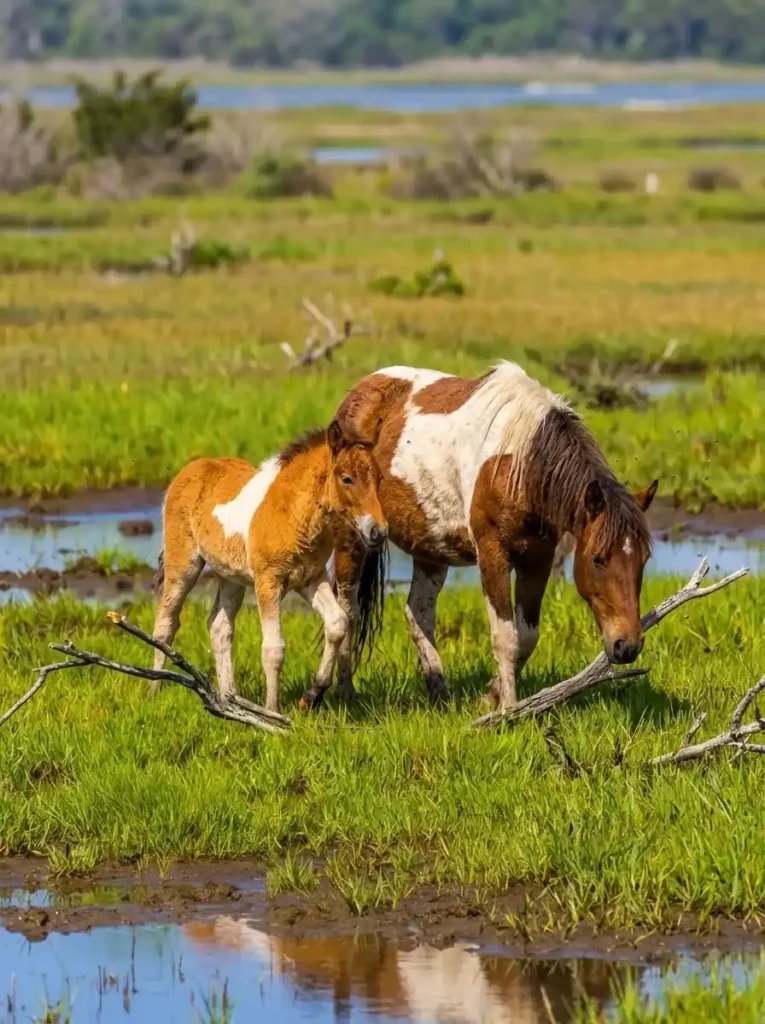
Wild horses are among the island’s best-known attractions. They may be seen near roads, beaches, and other areas where visitors can observe them from a safe distance.
However, wildlife sightings are never guaranteed. Horses may appear in different locations, and their behavior can vary. A visit should focus on observing them responsibly rather than expecting a particular photograph or encounter.
Follow these precautions:
- Maintain a minimum distance of 40 feet from wild horses.
- Never feed, touch, chase, or surround them.
- Keep children close when horses are nearby.
- Avoid blocking their movement or approaching them for photographs.
- Store food securely instead of leaving it exposed.
These rules help protect both visitors and the animals.
Birds and other wildlife
The island’s coastal habitats support a wide range of wildlife. The visitor information describes more than 300 bird species, making the area attractive to birdwatchers and nature photographers.
Other wildlife mentioned in the area includes:
- Sika deer
- Ghost crabs
- Great blue herons
- Snowy egrets
- Migratory birds
- Wild horses
Bring binoculars if you want to observe birds without disturbing them. Early exploration can also provide opportunities to enjoy the natural surroundings before the busiest periods of the day.
Beaches, marshes, and coastal scenery
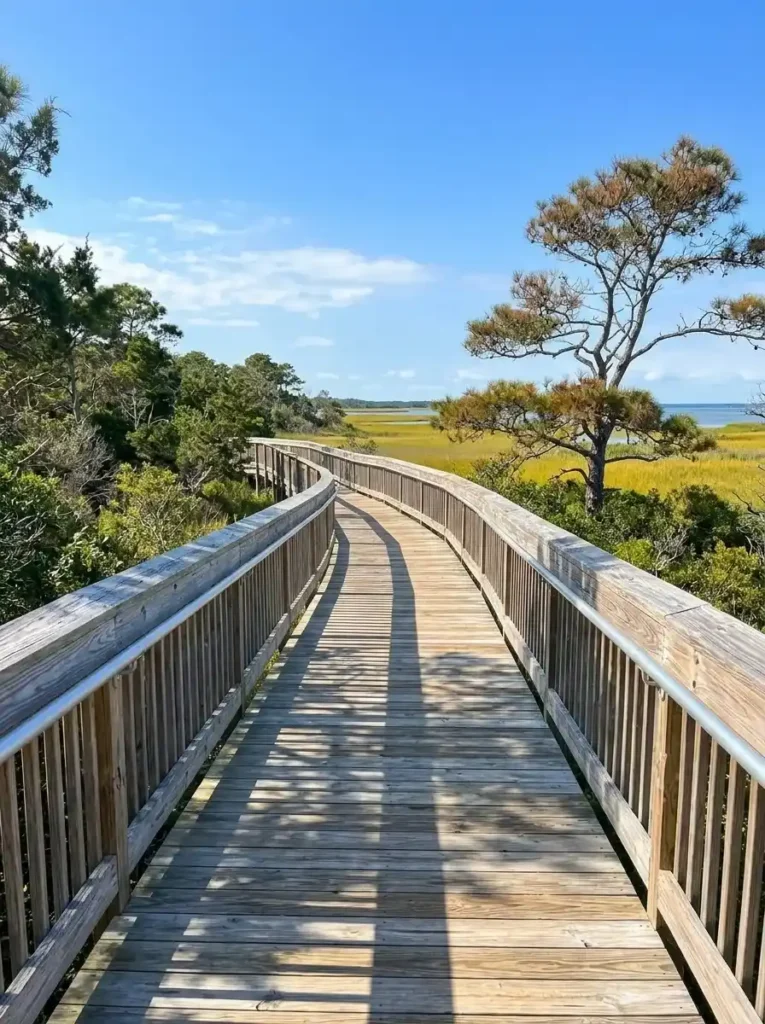
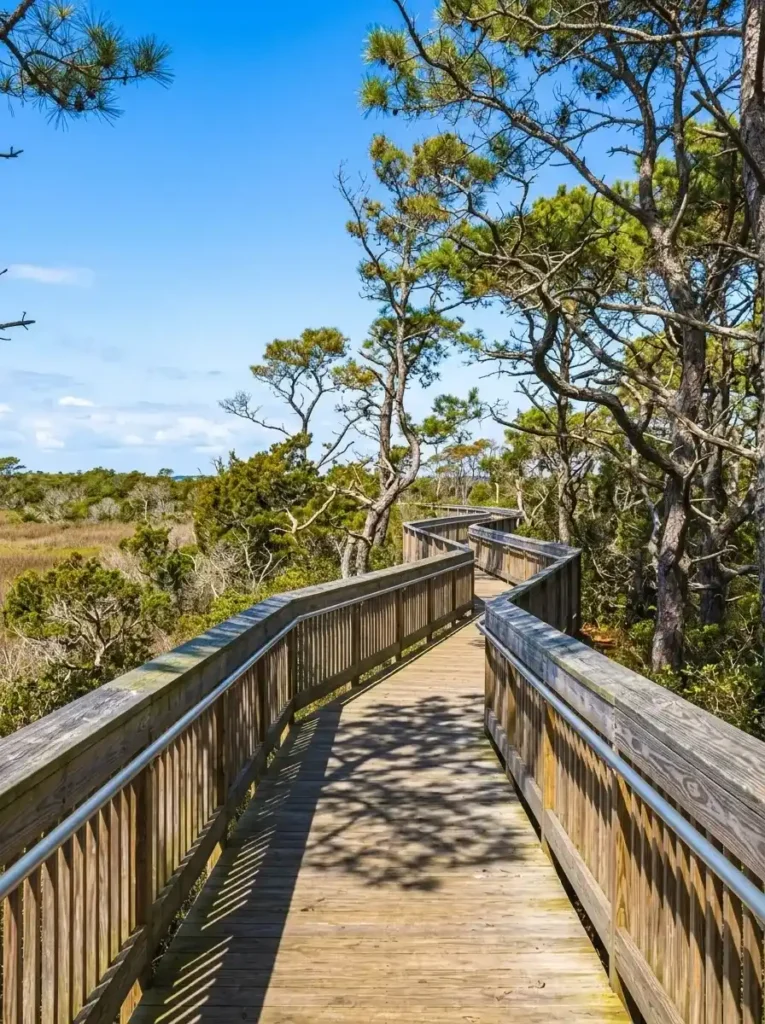
Assateague’s landscape includes sandy beaches, dunes, salt marshes, maritime forests, and coastal bays. These different environments make the island suitable for several types of outdoor activities.
The nearby Assateague State Park features approximately 2 miles of ocean beaches. Visitors can use the coastal environment for swimming, sunbathing, beachcombing, and other recreational activities where permitted.
Best Time to Visit Assateague Island
The best time to visit depends on your priorities. Some travelers prefer warmer weather and beach activities, while others value quieter surroundings and wildlife observation.
| Season or period | What to expect | Planning advice |
|---|---|---|
| March–May | Spring conditions, potentially milder temperatures, and fewer crowds | Bring layers and check weather conditions |
| June–August | Summer beach activities, camping, and kayaking | Prepare for crowds and mosquitoes |
| September–November | Potentially quieter conditions and opportunities for outdoor exploration | Check seasonal facility schedules |
| Winter | A quieter coastal environment, with some facilities operating differently | Confirm campground availability and water access |
Spring, particularly April and May, can be appealing for visitors seeking milder weather. Summer, from June through August, is suitable for beach-focused trips but may bring heavier visitor traffic and more mosquitoes.
These are general seasonal considerations, not guarantees of particular weather or wildlife activity.
How to avoid crowds
The experience can be affected by traffic and limited parking, particularly on busy summer weekends.
To make your visit easier:
- Arrive early when possible.
- Avoid relying on a single parking area.
- Consider visiting outside the busiest summer periods.
- Allow extra driving time during peak travel periods.
- Have an alternative activity ready if your preferred area is crowded.
A flexible schedule is especially helpful when visiting with children or planning a full day outdoors.
Camping at Assateague Island National Seashore
Camping is one of the main ways to experience the island’s beaches and natural surroundings for longer than a short visit. However, campsite types, seasonal availability, and restrictions differ.
Types of campsites
| Campsite type | Important details |
|---|---|
| Oceanside individual sites | Seasonal reservation availability and a designated winter first-come, first-served period |
| Bayside individual sites | Listed as available year-round, subject to applicable operating conditions |
| Group campsites | Suitable for group camping, with specific vehicle and equipment restrictions |
| Walk-in sites | Tent-only; sleeping inside a vehicle is prohibited |
| Equestrian non-electric sites | Seasonal sites intended for visitors bringing their own horses |
The available facilities described for the campground include vault toilets, drinking water, and unheated showers during the specified season. Water availability may be affected by freezing temperatures.
Before reserving a site, consider the type of camping you prefer, the size of your group, your equipment, and any vehicle restrictions.
When should you reserve a campsite?
The campground information describes reservations as available up to 6 months in advance.
Booking ahead is particularly useful for visitors traveling during popular summer periods or planning a trip with a larger group.
The listed availability periods include:
- March 15–November 15: Oceanside individual sites are available for reservations.
- November 16–March 14: Oceanside individual sites are listed as first-come, first-served.
- October 16–April 15: Equestrian non-electric sites are listed as available.
- April 16–October 15: Equestrian non-electric sites are listed as closed.
These schedules apply to the campsite categories described in the campground information. Confirm current availability and any temporary changes before booking.
Campground rules to know
A little preparation can prevent unnecessary problems after arrival.
- Check in: Register at the Ranger Station when you arrive.
- Late arrivals: If the station is closed, the listed instructions require check-in before 10 a.m. the following morning.
- No-show deadline: Failure to check in by noon on the day after the reservation date can result in the site being resold.
- Checkout: Campsites must be vacated by 11 a.m.
- Vehicle limits: Drive-in sites allow up to 2 motor vehicles or 1 vehicle with a trailer.
- Group sites: The stated maximum is 10 motor vehicles per group site.
- Generators: They are prohibited in Bayside Loop B, walk-in sites, and group sites.
Always read the specific rules attached to your reservation because restrictions can differ by campsite.
What should you pack for camping?
The island’s sandy ground, wind, insects, and coastal weather make appropriate equipment important.
Consider bringing:
- A tent with long stakes suitable for sandy ground
- Sleeping bags and suitable bedding
- A cooler with a secure, hard-sided design
- Drinking water and food supplies
- A lantern and backup lighting
- Insect repellent
- Weather-appropriate clothing
- Sun protection
- A first-aid kit
- Reusable bags for collecting rubbish
Food should be stored securely in a latchable hard-sided cooler or inside a vehicle. Do not leave food exposed where wildlife can reach it.
Entrance Fees and Camping Costs
Your total trip cost depends on entrance charges, campsite fees, equipment, food, transportation, and any additional activities.
The campground information lists a $25 park entrance fee, separate from camping charges. The exact amount you pay may depend on applicable passes and current admission policies.
Historical prices versus current planning
A personal travel account published on September 29, 2014, reported the following prices:
| Historical amount | What it referred to |
|---|---|
| $4 | State park access |
| $15 | National park entrance |
| $80 per year | Annual park pass |
| $5 | Entrance fee at Great Falls |
These figures are historical examples, not confirmed current prices. They should not be used to calculate a present-day trip budget.
How to prepare your budget
Before leaving home, check the current costs for:
- Park admission and eligible passes.
- Campsite reservations and any additional fees.
- Transportation and fuel.
- Food, drinking water, and ice.
- Camping equipment or rentals.
- Optional activities and nearby attractions.
If you plan to camp, remember that the entrance fee and campsite charges are separate expenses in the listed campground information.
Activities to Enjoy on Assateague Island
The island offers several outdoor activities, allowing visitors to choose between relaxing on the beach and exploring the natural environment.
Beach activities
Swimming, sunbathing, and beachcombing are among the main coastal activities. Conditions can change, so check the weather and local safety guidance before entering the water.
Keep an eye on children and avoid assuming that all beach areas have the same facilities or supervision.
Hiking and biking
Hiking and biking offer opportunities to explore beyond the main beach areas.
Before choosing a route, consider your group’s fitness level, the weather, available daylight, and trail conditions. Carry water and follow posted instructions to avoid disturbing wildlife or entering restricted areas.
Kayaking and canoeing
Coastal bays provide opportunities for kayaking and canoeing. Check wind, weather, and water conditions before setting out, and use appropriate safety equipment.
Fishing, crabbing, and clamming
Fishing, crabbing, and clamming are also listed among the area’s recreational activities. Before collecting shellfish or fishing, confirm applicable rules, permits, and restrictions for the specific location.
Birdwatching and photography
With more than 300 bird species described in the visitor information, Assateague is appealing for birdwatching and wildlife photography.
Use binoculars or a zoom lens to observe animals from a safe distance. Avoid disturbing nesting areas, approaching horses, or blocking roads while trying to take photographs.
Nearby Places to Consider
Assateague Island can be part of a broader coastal trip. The following nearby locations are mentioned in the supplied destination and campground information.
| Place | Why consider it? |
|---|---|
| Ocean City, Maryland | A nearby coastal destination with beach attractions and a boardwalk |
| Berlin, Maryland | A nearby town approximately 10 miles west of the campground |
| Chincoteague, Virginia | A gateway to the southern side of Assateague |
| Chincoteague National Wildlife Refuge | An important wildlife area covering approximately 14,000 acres |
| Assateague State Park | Features approximately 2 miles of ocean beaches |
Ocean City is described as approximately 10 miles from the campground. A visitor account also mentions a travel time of around 15 minutes, but actual journey times depend on traffic, route, and starting point.
If you want to explore both Maryland and Virginia, allow additional travel time because the two sections are not connected by a direct road across the island.
Essential Safety Tips for Visitors
A successful visit requires preparation for both the natural environment and the practical limitations of a popular coastal destination.
Protect yourself from weather and insects
Summer can bring mosquitoes, while coastal conditions may change throughout the day. Check the forecast, carry insect repellent, and pack suitable clothing.
Bring enough drinking water for your planned activities and confirm which campground facilities are operating during your visit.
Be careful around wildlife
Keep the 40-foot minimum distance from wild horses and never feed them. Observe other animals without disturbing their natural behavior.
Secure food and rubbish, and do not leave coolers open or unattended.
Plan for traffic and parking
Busy weekends can result in long traffic delays and full parking areas. One visitor account describes an additional hour spent in beach traffic before reaching the intended destination.
This is an individual experience rather than a prediction for every visit, but it illustrates why arriving early and allowing extra time can be helpful.
Check restrictions before driving on the beach
Over-sand vehicle access is limited to designated areas and requires the appropriate permit. Do not assume an ordinary vehicle entrance ticket automatically authorizes beach driving.
Review current access requirements before taking a vehicle onto the sand.
FAQ
How long is Assateague Island?
Assateague Island is approximately 37 miles long. It extends along the Atlantic coast of Maryland and Virginia and includes beaches, marshes, dunes, and other coastal habitats.
Can you see wild horses at Assateague Island National Seashore?
Wild horses live on the island and are one of its main attractions. However, sightings are not guaranteed. Keep at least 40 feet away, never feed them, and observe them without interfering with their behavior.
Is there a road between the Maryland and Virginia sides?
No. There is no direct road connecting the Maryland and Virginia sections of Assateague Island. Visitors planning to explore both sides should account for the separate mainland routes.
How far in advance can you reserve a campsite?
The campground information describes reservations as available up to 6 months in advance. Availability varies by campsite type and season, so check the applicable dates before making plans.
What time is campground checkout?
The listed campsite checkout deadline is 11 a.m. Campers should vacate their sites by that time and follow the applicable instructions for checking out with the rangers.
What happens if I arrive after the Ranger Station closes?
The listed instructions require late arrivals to check in before 10 a.m. the following morning. Failure to check in by noon on the day after the reservation date can result in the site being resold. Confirm the current instructions for your specific reservation.
How much does it cost to enter Assateague Island National Seashore?
The supplied campground information lists a $25 entrance fee, separate from camping charges. Check current admission prices, pass eligibility, and campsite fees before your trip because fees and policies may change.
Are showers available at the campground?
Unheated showers are listed as operating from March 15 through November 15. Facility availability can change with the season and operating conditions, so confirm the current schedule before traveling.
What should I bring for camping at Assateague?
Bring a suitable tent, long stakes for sandy ground, a cooler with secure storage, drinking water, insect repellent, lighting, weather-appropriate clothing, and other essential camping supplies. Secure food to reduce wildlife encounters.
What other activities can you enjoy besides seeing horses?
Visitors can enjoy swimming, sunbathing, hiking, biking, kayaking, canoeing, fishing, crabbing, clamming, birdwatching, and wildlife photography. Activities should be chosen according to current conditions and any local restrictions.
Final Thoughts
Assateague Island National Seashore offers a distinctive combination of coastal scenery, wildlife, camping, and outdoor recreation. Its approximately 37-mile coastline, more than 300 bird species, and free-roaming wild horses make it an appealing destination for nature enthusiasts and beach visitors.
The most useful preparation is to choose the correct entrance, plan around seasonal conditions, reserve a campsite when appropriate, and understand the rules before arrival. Remember the 40-foot wildlife safety distance, the 11 a.m. checkout deadline, and the campground’s vehicle and food-storage restrictions.
Finally, verify current entrance fees, reservation availability, seasonal facilities, and access notices before setting out. With realistic expectations and a flexible itinerary, you can enjoy the island while helping protect its wildlife and natural environment.

Hi, I’m Marcus! I love exploring the outdoors and discovering incredible places. Through ExploreNatureTrips blog, I share my travel experiences, useful tips, and recommendations for the best sights, trails, and destinations to visit.


