25 Best Things to Do in Oahu, Hawaii (2027 Guide)

Oahu, Hawaii, offers a remarkable combination of tropical beaches, dramatic mountain scenery, historic landmarks, rainforest trails, and memorable local food. Whether you are planning a relaxing beach holiday, an outdoor adventure, or a family vacation, this Hawaiian island has experiences for different interests and travel styles.
Honolulu and Waikiki provide convenient access to restaurants, shopping, and famous attractions, while the windward coast, western shoreline, and North Shore offer quieter landscapes and outdoor activities. Exploring these different areas helps you experience more of the island beyond its busiest tourist districts.
This guide covers 25 things to do in Oahu, Hawaii, including hiking trails, snorkeling locations, cultural attractions, scenic drives, local dining, and practical travel advice. You will also find useful distances, estimated activity times, seasonal recommendations, and a suggested 3-day itinerary to help organize your trip.
Photos:




Discover the 25 Best Things to Do in Oahu Hawaii
Ready to explore Oahu? These 25 best things to do below will help you plan an unforgettable Hawaiian island adventure.
Relax at Waikiki Beach

Waikiki Beach is an excellent starting point for first-time visitors. Its sandy shoreline, ocean views, nearby restaurants, and convenient access to Honolulu attractions make it suitable for travelers who want to combine beach time with city activities.
Popular things to do include:
- Learn the basics of surfing with an instructor.
- Try paddleboarding in suitable ocean conditions.
- Take a catamaran ride along the coast.
- Enjoy a sunset walk beside the water.
- Explore Kalakaua Avenue for restaurants and shopping.
Best for: First-time visitors, couples, families, and beginner surfers.
Time needed: Half a day to a full day, depending on your activities.
Hike to Diamond Head Crater

Diamond Head is one of Oahu’s most recognizable natural landmarks. The hike leads toward a summit with panoramic views of Honolulu, Waikiki, and the Pacific Ocean.
The route includes steep sections, stairs, and exposed areas, so comfortable footwear and drinking water are important. Starting early can make the climb more comfortable, particularly on warm days.
| Trail detail | Information |
|---|---|
| Round-trip duration | Approximately 1–1.5 hours |
| Difficulty | Moderate; steep sections |
| Main reward | Elevated coastal and city views |
| Recommended preparation | Water, sun protection, comfortable shoes |
Allow extra time for transportation, entrance procedures, and photography. Check current admission rules and reservation requirements before visiting.
Explore Pearl Harbor National Memorial

Pearl Harbor provides an opportunity to understand an important chapter of American and world history. The attack on December 7, 1941, is central to the memorial’s historical significance.
The main attractions associated with the area include the USS Arizona Memorial, Battleship Missouri, and Pacific Aviation Museum.
To make the most of your visit:
- Reserve timed experiences when required.
- Allow enough time to explore exhibits and memorial areas.
- Read the historical displays rather than rushing between locations.
- Check current entry arrangements before your visit.
Time needed: Several hours, depending on the attractions selected.
This is particularly worthwhile for travelers interested in military history, aviation, and historical education.
Go Snorkeling at Hanauma Bay

Hanauma Bay Nature Preserve is known for its clear coastal water, coral reef habitat, and tropical marine life. Snorkeling here offers an opportunity to observe fish in a protected natural setting.
A successful visit requires preparation. Check visitor-access rules, available reservations, and current marine conditions before leaving. Use reef-safe sun protection and avoid touching coral or pursuing wildlife.
Helpful tips:
- Arrive according to your confirmed entry time.
- Bring water and sun protection.
- Use appropriate snorkeling equipment.
- Follow posted instructions and designated swimming areas.
Marine conditions can change, so inexperienced swimmers should stay within their abilities and follow local guidance.
Discover the North Shore

Oahu’s North Shore is famous for its surf culture, coastal scenery, small-town atmosphere, and roadside food stops. It offers a different experience from the busy streets of Waikiki.
Important stops include Sunset Beach, Waimea Bay, Banzai Pipeline, and historic Haleiwa.
During winter, powerful waves attract experienced surfers and spectators. Summer generally offers calmer conditions, although ocean conditions can vary throughout the year.
Things to do on the North Shore include:
- Watch experienced surfers from a safe viewing area.
- Explore Haleiwa’s shops and restaurants.
- Sample local shrimp dishes and shave ice.
- Visit scenic beaches and coastal viewpoints.
- Photograph the shoreline during suitable light.
Travel tip: Never assume that a beach is safe for swimming simply because other visitors are present. Strong currents and shore breaks can be dangerous.
Visit Byodo-In Temple

Byodo-In Temple, located in the Valley of the Temples, is a peaceful stop surrounded by landscaped grounds, mountains, and koi ponds.
The temple is a replica of a historic Japanese temple whose original dates back approximately 900 years. Its architecture and tranquil setting make it a popular place for reflection and photography.
Visitors can enjoy the surrounding gardens, appreciate the traditional design, and take a break from busier sightseeing areas.
Best for: Cultural experiences, photography, and quiet sightseeing.
Allow time to explore respectfully and check current admission information before arriving.
Experience Kualoa Ranch

Kualoa Ranch combines dramatic green mountain scenery with outdoor recreation. It is also associated with filming locations used in productions such as Jurassic Park.
Depending on availability, activities may include:
- Guided sightseeing tours
- ATV adventures
- Horseback riding
- Ziplining
- Eco-tours and landscape excursions
Some experiences require advance reservations, and prices vary by activity. Compare tour durations and age or participation requirements before booking.
Planning tip: Choose your activity first, then organize nearby stops around the confirmed tour time.
Spend Time at Lanikai Beach
Lanikai Beach is known for its pale sand, turquoise water, and views of the Mokulua Islands. It is an appealing destination for travelers seeking coastal scenery away from Waikiki’s busiest stretches.
Recommended activities include sunrise photography, relaxing on the beach, and paddling when conditions permit.
Keep in mind that beachside residential areas may have limited parking. Respect private property, use legal parking spaces, and avoid obstructing driveways.
Explore the Polynesian Cultural Center
The Polynesian Cultural Center offers cultural experiences through traditional performances, music, dance, food, and interactive activities representing Pacific Island cultures.
Depending on the ticket package and schedule, visitors may be able to enjoy village experiences, an evening luau, and the Hā: Breath of Life show.
Best for: Families, cultural travelers, and visitors interested in Pacific traditions.
Check the event schedule before booking because available experiences and performance times can differ by date.
Hike to Manoa Falls
Manoa Falls is a rainforest destination surrounded by lush tropical vegetation. The trail leads through a green landscape featuring bamboo and other tropical plants.
The waterfall is commonly described as approximately 150 feet tall. Rain and damp ground can make the trail muddy, so suitable footwear is essential.
Bring drinking water and insect repellent, and check trail conditions before setting out. Avoid climbing barriers or approaching unstable waterfall areas.
This hike is a good option for visitors who want a nature experience without committing to a long mountain trek.
Climb the Koko Crater Stairs
The Koko Crater Stairs route follows an old military tramway. Its steep climb makes it substantially more demanding than a casual coastal walk.
The route is approximately 0.9 miles (1.4 km) round trip, with an elevation gain of roughly 930 feet (283 m) in the measurements reported for the trail.
| Trail feature | Details |
|---|---|
| Round-trip distance | 0.9 miles / 1.4 km |
| Elevation gain | Approximately 930 feet / 283 m |
| Difficulty | Strenuous |
| Main attraction | Summit views over southeastern Oahu |
The uneven railroad ties and exposed sections require careful footing. Bring sufficient water, avoid the hottest part of the day, and turn back if the climb becomes unsafe for your fitness level.
Walk the Ehukai Pillbox Trail
Located near the North Shore, the Ehukai Pillbox Trail climbs toward old military bunkers overlooking the coastline and famous surf breaks.
The route is approximately 1.4 miles according to the reported trail measurement. Some sections are steep, and muddy conditions may make the ascent more challenging.
Visitors are rewarded with elevated views of the ocean and surrounding landscape.
For a safer visit, wear shoes with good traction and avoid approaching exposed edges. Winter surf is impressive to watch, but it should be observed from a safe location.
Discover Puʻu Māʻeliʻeli Trail
The Puʻu Māʻeliʻeli Trail, also called the Digging Hill Pillbox Trail, is an outdoor option on Oahu’s windward side.
The reported route distance is approximately 2.2 miles, with views toward Kāneʻohe Bay, the Koʻolau Mountains, Kualoa Ranch, and Mokoliʻi.
The trail is useful for travelers who want to combine hiking with scenic photography. Check trail conditions before departure and allow additional time if the ground is wet.
Visit Kuliʻouʻou Ridge Trail
Kuliʻouʻou Ridge Trail is a challenging hike featuring forested sections, steep climbing, and rewarding views.
The reported round-trip distance is approximately 4.5 miles, with an elevation gain of around 1,666 feet. A drive from Waikiki to the trailhead is estimated at about 20 minutes, although traffic can affect the journey.
This is a better choice for visitors with reasonable hiking fitness than for travelers looking for a short, easy walk.
Bring enough water, allow time for breaks, and check weather conditions before starting.
Explore Kaʻena Point
Kaʻena Point offers rugged coastal scenery, ocean views, and opportunities to observe seabirds and other wildlife in their natural habitat.
The remote western coastline feels different from the developed resort areas. It is particularly attractive to hikers and photographers who enjoy open landscapes.
Prepare for sun exposure, limited shade, and potentially rough terrain. Keep a respectful distance from wildlife, and avoid approaching seals or other protected animals.
During the appropriate season, visitors may also have opportunities to spot whales offshore.
Discover Lulumahu Falls
Lulumahu Falls is a rainforest waterfall destination for visitors interested in less-developed natural settings.
The route can involve muddy ground, uneven footing, and sections where navigation is less straightforward. Conditions may change following rainfall.
Before visiting, check whether access is permitted and whether any permits or other restrictions apply. Stay on appropriate routes, avoid unstable slopes, and do not enter dangerous water conditions.
This location is better suited to prepared hikers than to visitors expecting a fully developed paved trail.
Enjoy Kahana Bay
Kahana Bay is an attractive windward-side destination for quieter scenery and water-based recreation.
The nearby river provides opportunities for kayaking and stand-up paddleboarding in relatively sheltered conditions, depending on the weather and water level.
Visitors can combine paddling with a coastal picnic or a scenic drive. Rental services and guided experiences may be available, but current availability and prices should be checked in advance.
Paddle the Anahulu River
The Anahulu River near Haleiwa offers another way to experience Oahu’s natural surroundings.
The river is approximately 7.1 miles long, although only about 1 mile is described as a suitable paddling section before the water becomes too shallow.
Depending on the route, a paddling session can be relatively short. Visitors may encounter birds, fish, and Hawaiian green sea turtles.
Always follow wildlife-viewing guidelines and do not approach, touch, or feed animals.
Visit the Kāneʻohe Sandbar
The Kāneʻohe Sandbar is a popular destination for boat trips, kayaking, paddleboarding, and guided snorkeling.
The exposed sand area changes with the tide, so the experience depends on water levels and weather conditions.
A kayak journey of approximately 2 miles may take around 30–60 minutes, depending on paddling speed and conditions.
Bring drinking water, sun protection, and any necessary supplies for the excursion. Guided trips can simplify transportation and equipment arrangements.
See the Halona Blowhole Lookout
The Halona Blowhole Lookout provides a dramatic coastal viewpoint where ocean water can surge through a rock formation.
It is a convenient stop along the southeastern coast and can be combined with other nearby viewpoints.
The ocean can be unpredictable. Stay behind barriers, keep away from wet rocks and exposed edges, and never approach the blowhole to obtain a closer photograph.
Nearby coastal coves may also have dangerous currents, so use designated swimming areas instead.
Explore Hoʻomaluhia Botanical Gardens
Hoʻomaluhia Botanical Gardens is known for its green mountain backdrop, landscaped tropical plants, and photography opportunities.
It is an appealing stop for visitors who prefer a relaxed outdoor experience rather than a strenuous hike.
The gardens have historically had an afternoon closing time of 4 PM in the travel information referenced for this destination. Operating hours can change, so verify the current schedule before traveling.
Allow time to enjoy the scenery without rushing through the grounds.
Watch the Sunset from Tantalus
The Tantalus area provides elevated viewpoints overlooking Honolulu and the surrounding coastline.
It is an appealing choice for sunset photography, evening drives, and panoramic city views.
Plan your route before dark and use designated stopping areas. Avoid stopping on narrow roads or leaving valuables visible inside your vehicle.
If you want to combine several viewpoints, leave enough time to travel between them safely.
Learn About Hawaiian History at Iolani Palace
Iolani Palace is an important historic landmark in downtown Honolulu. Its architecture and historical exhibits provide insight into Hawaii’s royal history.
You can combine the visit with the nearby State Capitol Building and other downtown sights.
For a more convenient day, visit historical landmarks in the morning and leave the afternoon for a beach or restaurant stop.
Check current tour availability and admission details before arriving.
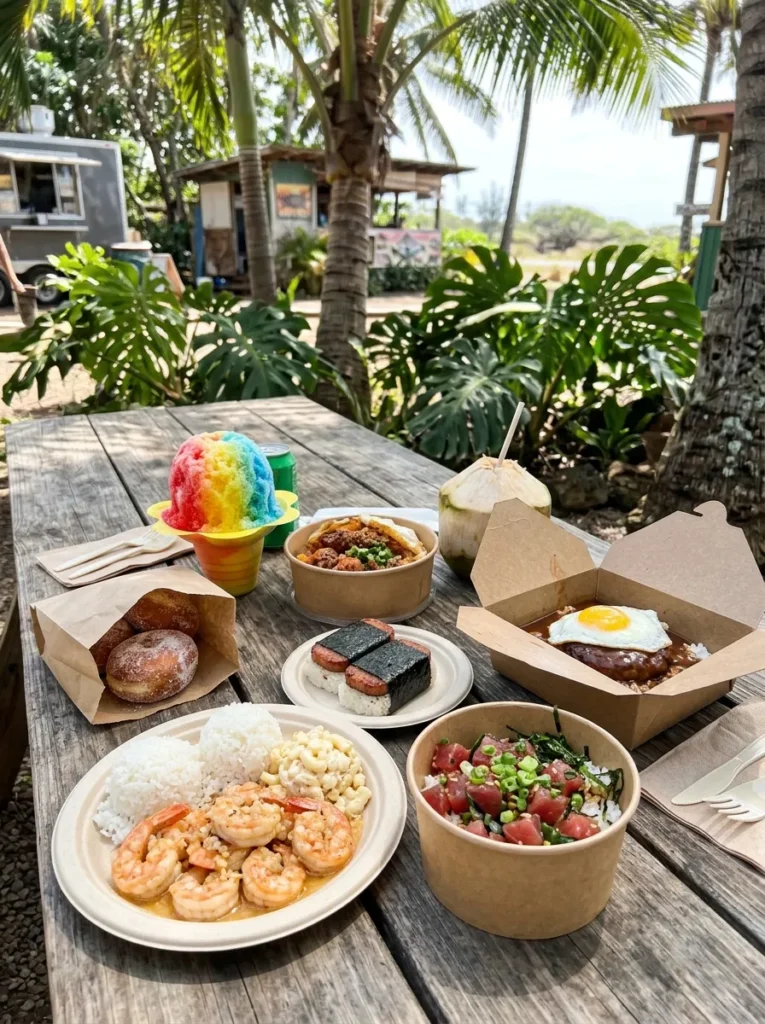
Sample Local Food in Honolulu and Haleiwa
Food is an important part of experiencing Oahu. Rather than eating every meal in a resort area, visitors can explore bakeries, seafood restaurants, burger spots, and food trucks.
Consider these options:
| Food stop | What to try |
|---|---|
| Leonard’s Bakery | Portuguese-style malasadas |
| Pāʻia Fish Market | Fish and seafood dishes |
| Honolulu Burger Co. | Burgers |
| Seven Brothers | Burgers and casual meals |
| North Shore shrimp trucks | Shrimp plates and seafood |
| Local shave-ice shops | Shave ice in tropical flavors |
These establishments and food categories are associated with different parts of the island, so check their current locations and opening hours when planning your route.
A useful strategy is to choose a restaurant near the attractions you already intend to visit rather than driving across the island solely for one meal.
Take a Scenic Drive Around Oahu
A scenic drive connects beaches, viewpoints, historic landmarks, and local towns into one broader experience.
Instead of trying to see every attraction in a single day, organize stops by region:
- South side: Waikiki, Diamond Head, Honolulu, and Pearl Harbor.
- Windward side: Lanikai Beach, Hoʻomaluhia Botanical Gardens, and Kahana Bay.
- North Shore: Haleiwa, Sunset Beach, Waimea Bay, and Banzai Pipeline.
- West side: Ko Olina and the more secluded coastal landscape.
A full island exploration can take multiple days, especially when hiking, guided tours, or long beach stops are included.
Allow extra time for parking, traffic, meals, and unexpected weather. The goal is to enjoy the journey rather than rush between locations.
Best Time to Visit Oahu, Hawaii
Oahu can be visited throughout the year, but the best time depends on your preferred activities.
Spring: April to June
Spring is a useful period for travelers who want to explore beaches, hiking trails, and scenic viewpoints while seeking a balance between comfortable weather and manageable crowds.
Suggested activities include Diamond Head, Manoa Falls, coastal drives, and outdoor sightseeing.
Summer: June to August
Summer is often associated with calmer North Shore surf than winter, making it a popular time for beach visits and outdoor activities. However, ocean conditions still vary, and visitors should always follow local warnings.
Reserve popular tours and accommodations early when traveling during busy periods.
Fall: September to early November
This period can be appealing to visitors seeking a quieter travel experience. The weather and crowd levels vary, but the season may offer opportunities for hiking, sightseeing, and beach time.
Check the availability of activities before building a detailed itinerary.
Winter: November to February
Winter is particularly well known for large waves on the North Shore. Surf watching can be spectacular, but strong surf may make swimming dangerous.
Visitors who are not experienced ocean swimmers should prioritize safe viewing areas and follow lifeguard advice.
| Season | Recommended focus |
|---|---|
| April–June | Hiking, sightseeing, and beach visits |
| June–August | Coastal activities and North Shore exploration |
| September–early November | Scenic drives, hiking, and quieter sightseeing |
| November–February | Surf watching and seasonal ocean experiences |
3-Day Oahu Itinerary
If you have only 3 days, focus on a few attractions in each region instead of attempting to cover the entire island.
Day 1: Honolulu and the South Coast
Morning
- Hike Diamond Head.
- Explore Waikiki Beach.
Afternoon
- Visit Pearl Harbor National Memorial if you have sufficient time and a suitable reservation.
- Explore Honolulu’s historic landmarks.
Evening
- Enjoy a sunset walk along Waikiki.
- Have dinner at a local restaurant.
Day 2: Windward Coast and North Shore
Morning
- Visit Lanikai Beach or another suitable windward-side beach.
- Stop at a scenic viewpoint.
Afternoon
- Continue toward the North Shore.
- Visit Haleiwa, Waimea Bay, or Sunset Beach.
- Stop for a local shrimp meal.
Evening
- Watch the sunset from a safe beach viewing area.
- Return to your accommodation with enough time for the drive.
Day 3: Choose Your Adventure
Choose one of these approaches based on your interests.
Option A: Hiking and nature
- Hike Manoa Falls or another suitable trail.
- Explore a botanical garden.
- Visit a scenic overlook.
Option B: Water activities
- Book a guided snorkeling trip.
- Try kayaking or paddleboarding.
- Spend time at a suitable beach.
Option C: Culture and relaxation
- Visit the Polynesian Cultural Center.
- Explore local food and shopping.
- Enjoy a relaxed evening.
This flexible structure lets you adjust the trip for weather, fitness, family needs, and reservations.
Practical Travel Tips for Oahu
Plan transportation by region
A rental car can make it easier to explore beaches, hiking trailheads, and less-developed areas. However, traffic and parking can affect travel time.
Group nearby attractions together instead of repeatedly crossing the island.
Check reservations and admission fees
Some attractions, tours, and protected natural areas have advance booking requirements or restricted visitor access.
Before leaving, confirm:
- Current admission fees
- Opening and closing hours
- Reservation requirements
- Parking arrangements
- Trail closures and access restrictions
Historical prices published in older travel guides should not be treated as current rates.
Pack for both beach and hiking activities
A practical day bag can include:
- Reusable water bottle
- Comfortable walking shoes
- Swimwear and a towel
- Reef-safe sun protection
- Lightweight rain jacket
- Insect repellent
- Phone or camera
- Snacks for longer excursions
Bring additional supplies for remote hikes or water-based activities.
Respect the environment
Oahu’s beaches, reefs, and wildlife habitats require responsible visitor behavior.
Avoid touching coral, disturbing wildlife, leaving rubbish, or entering restricted areas. Follow posted signs and local guidance, particularly near steep cliffs and powerful surf.
Choose activities according to your fitness level
Not every hike is suitable for every visitor. Koko Crater Stairs and Kuliʻouʻou Ridge Trail require substantially more effort than a relaxed beach walk.
Review elevation gain, distance, weather, and route conditions before choosing a hike. It is perfectly reasonable to select a shorter trail if it better fits your experience.
FAQ
What are the best things to do in Oahu, Hawaii, for first-time visitors?
Start with Waikiki Beach, Diamond Head, Pearl Harbor National Memorial, the North Shore, and a scenic coastal drive. These experiences combine beaches, history, mountain scenery, and local food.
How many days do you need to explore Oahu?
A 3-day trip can cover major highlights if you organize activities by region. A longer stay gives you more time for hiking, guided tours, quieter beaches, and cultural attractions without rushing.
What is the best time of year to visit Oahu?
April through June and September through early November are suggested periods for sightseeing and outdoor exploration. November through February is especially popular for watching North Shore surf, although ocean conditions can be hazardous.
Is Diamond Head difficult to hike?
Diamond Head is a moderate hike with steep sections and stairs. The reported round-trip duration is approximately 1–1.5 hours, but your pace, breaks, and trail conditions can affect the total time.
Which part of Oahu is best for beaches?
Waikiki is convenient for restaurants and city amenities, Lanikai is known for turquoise water and white sand, and the North Shore offers famous surf beaches. Your best choice depends on whether you prefer convenience, scenery, or surfing.
Are there free things to do in Oahu?
Yes. Beach visits, coastal viewpoints, scenic drives, and many outdoor sightseeing opportunities can be enjoyed without paying for a guided tour. However, parking, access restrictions, transportation, and admission fees may apply at individual locations.
Is it safe to swim at North Shore beaches in winter?
Not necessarily. Winter waves can become extremely powerful, and conditions may be dangerous even for experienced swimmers. Check local warnings, observe lifeguard instructions, and watch the surf from a safe location when swimming is not advisable.
Can you explore Oahu without renting a car?
You can explore central Honolulu and Waikiki without a car, but reaching distant beaches, hiking trailheads, and several North Shore attractions may require additional transportation planning. Compare public transportation, guided excursions, and rental options based on your itinerary.
What should you bring for hiking in Oahu?
Bring drinking water, comfortable shoes with good traction, sun protection, and a phone for navigation. A rain jacket and insect repellent can also be useful on rainforest trails. Check weather conditions and trail-access rules before departing.
Are reservations necessary for Oahu attractions?
Some attractions and guided activities require advance reservations, while others have different entry arrangements. Check official booking information for your selected date, particularly for popular historical attractions, protected areas, and organized tours.
Final Thoughts
Oahu combines iconic beaches, challenging hikes, historic landmarks, tropical forests, and distinctive local food in one island destination. The best experience comes from balancing famous attractions with time to explore quieter coastal areas and enjoy the scenery.
For a first visit, prioritize Waikiki Beach, Diamond Head, Pearl Harbor, and the North Shore. Then choose additional activities based on your interests, whether that means hiking to a waterfall, exploring cultural attractions, paddling a sheltered river, or enjoying local food.
Plan by region, verify current prices and opening hours, respect ocean conditions, and allow enough time for each stop. With a little preparation, you can build an Oahu itinerary that is both practical and memorable.

Hi, I’m Marcus! I love exploring the outdoors and discovering incredible places. Through ExploreNatureTrips blog, I share my travel experiences, useful tips, and recommendations for the best sights, trails, and destinations to visit.