Ozark National Scenic Riverways: Visitor Guide
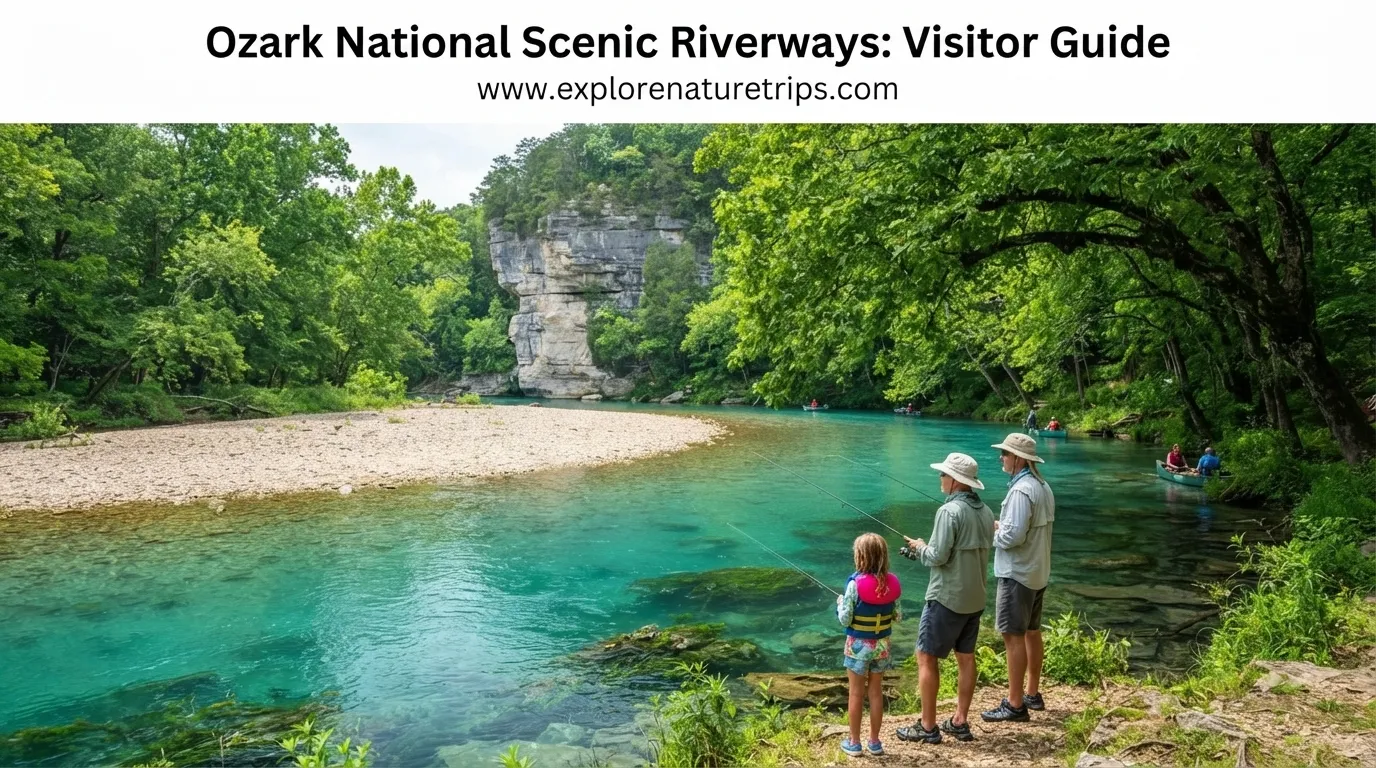
Ozark National Scenic Riverways is a large protected river landscape in Missouri centered around the Current River and Jacks Fork River. It combines spring-fed waterways, caves, bluffs, forests, historic sites, trails, and outdoor recreation in a single destination.
The park encompasses more than 80,000 acres and is known for having more than 300 caves and more than 300 springs. The Current River and Jacks Fork are both spring-fed waterways, making the area especially appealing for canoeing, kayaking, swimming, fishing, floating, and exploring.
Planning a trip to Ozark National Scenic Riverways? Below is a complete visitor guide covering everything you need to know before you go.
Why Visit Ozark National Scenic Riverways?
The biggest attraction is the combination of water and landscape. Instead of being limited to one major viewpoint or trail, the area gives visitors different ways to experience the Ozarks.
The Current River and Jacks Fork River pass through rugged hills, towering bluffs, open pasture lands, and spring-fed landscapes. The result is a destination where a visitor can spend part of a trip on the water and another part hiking, exploring historic locations, or visiting caves and springs.
For travelers who prefer active trips, activities include:
- Canoeing
- Kayaking
- Boating
- Swimming
- Fishing
- Hiking
- Backpacking
- Camping
- Horseback riding
- Wildlife observation
- Cave exploration
- Hunting
Visit Missouri also lists canoe, horse, kayak, raft, and tube rentals among the rental options available in the area.
Current River and Jacks Fork River
The Current River and Jacks Fork River are the defining natural features of the Riverways.
The Jacks Fork is described as a major tributary of the Current River. Both are spring-fed rivers noted for their clear water and scenic surroundings.
Current River
The Current River is particularly suited to water-based recreation. Depending on the section and conditions, visitors can use it for:
- Floating
- Canoeing
- Kayaking
- Swimming
- Fishing
- Boating
- Wildlife viewing
The Nature Seeker’s visitor itinerary specifically highlights a float from Akers Ferry to Pulltite as a possible full-day activity.
Jacks Fork River
The Jacks Fork provides another route for experiencing the Ozarks by water. Its spring-fed character, bluffs, and surrounding countryside make it an important part of the park’s identity.
If your main goal is a river trip, check current water conditions before committing to a particular route.
Best Things to Do
There is no single “best” activity for every visitor. Your ideal experience depends on whether you want water recreation, hiking, history, wildlife, or a quieter nature trip.
1. Float or Paddle the Rivers
Floating the Current River is one of the most prominent experiences highlighted by the visitor guides.
Canoeing and kayaking are also major activities, and outfitters around communities such as Van Buren can help with equipment and shuttle arrangements.
A shuttle can be particularly useful when your launch and exit points are different.
2. Explore Springs
The park is famous for its springs, and Visit Missouri notes that more than 300 springs are known within the area.
Notable spring-related locations mentioned by the include:
- Alley Spring
- Blue Spring
- Big Spring
- Round Spring
- Welch Spring
These locations provide alternatives to spending the entire day on the river.
3. Visit Historic Mills and Buildings
The landscape also preserves pieces of Ozark history.
Alley Mill is one of the most recognizable historic attractions mentioned in the visitor material. The also identify Pulltite Cabin and Big Spring Lodge as historic locations.
Big Spring Lodge dates to the 1930s and is associated with the work of the Civilian Conservation Corps.
4. Explore Caves
Cave exploration is another important part of the Riverways experience.
Visit Missouri identifies 300+ caves in the park.
Round Spring Cave is particularly notable because guided tours are highlighted in the visitor guide. The tours are described as operating from Memorial Day through Labor Day.
5. Go Fishing
Fishing is available throughout the Riverways and is specifically listed as an on-site activity by Visit Missouri.
Fish mentioned in the visitor material include:
- Smallmouth bass
- Rock bass
- Goggle-eye
- Catfish
- Channel catfish
Fishing can be a good option for visitors who want a slower experience than paddling or hiking.
6. Hike the Ozark Landscape
Hiking gives visitors a chance to move away from the water and experience the surrounding terrain.
The material identifies trails ranging from short walks to much longer sections.
| Trail | Approximate distance |
|---|---|
| Alley Spring Trail | 1 mile |
| Big Spring Trail | 1 mile |
| Round Spring Trail | 2.5 miles |
| Chubb Hollow Trail | 3.5 miles |
| Ozark Trail, Current River section | 30+ miles |
A short 1-mile trail may be more appropriate for a casual sightseeing day, while the longer Ozark Trail section requires considerably more preparation.
Natural Attractions Worth Adding to Your Trip
Several locations stand out across the visitor material.
Alley Mill and Alley Spring
Alley Mill combines a historic structure with the surrounding spring environment, making it a useful stop for visitors interested in both scenery and local history.
Big Spring
Big Spring is another important natural feature and is also associated with historic structures in the area.
Blue Spring
Blue Spring provides another spring-focused stop that can be combined with nearby sightseeing.
Round Spring and Round Spring Cave
Round Spring offers both surface scenery and access to the cave experience. The visitor guide highlights Round Spring Cave guided tours during the Memorial Day–Labor Day period.
Devil’s Well
Devil’s Well is one of the unusual natural attractions included in the visitor recommendations and can be incorporated into a broader sightseeing itinerary.
Rocky Falls
Rocky Falls provides another scenic stop for visitors building a road-trip-style itinerary around the Riverways.
Jam Up Cave
Jam Up Cave is highlighted as a more unusual destination. The Nature Seeker specifically notes that access is by river, making it better suited to visitors planning a water-based adventure rather than a simple roadside stop.
Hidden Gems for a Longer Visit
If you have more than a single day, the visitor material highlights several less-obvious locations:
- Jam Up Cave
- Welch Spring ruins
- Devil’s Well
- Klepzig Mill
- Bee Bluff
These places can help turn a basic river trip into a more varied exploration of the Ozarks.
Hiking Options for Different Experience Levels
Not every visitor needs a long backcountry hike.
Short and Easier Walks
The 1-mile Alley Spring Trail and 1-mile Big Spring Trail are useful choices when you want to add a walk without dedicating an entire day to hiking.
Moderate Routes
The 2.5-mile Round Spring Trail and 3.5-mile Chubb Hollow Trail provide longer options for visitors looking for more time on foot.
Longer Adventures
The Current River section of the Ozark Trail is listed at 30+ miles. That makes it a completely different type of experience from a short spring or mill walk.
Longer routes require better planning for water, navigation, weather, footwear, and time.
Camping at Ozark National Scenic Riverways
Camping is one of the easiest ways to turn a quick visit into a multi-day trip.
The material identifies several campgrounds, including:
- Alley Spring
- Pulltite
- Round Spring
- Big Spring
Developed campgrounds can provide amenities such as picnic tables, fire rings, and restrooms, while primitive camping offers a more basic experience.
Peak summer is identified as the busiest period, so visitors planning to camp during that time should consider making arrangements early.
Developed vs. Primitive Camping
| Camping style | Better for |
|---|---|
| Developed campground | Visitors wanting basic facilities |
| Primitive camping | Visitors seeking a more rustic experience |
| Riverside camping | Travelers prioritizing access to water |
| Tent camping | Flexible outdoor stays |
| RV camping | Visitors bringing recreational vehicles |
The Into The Ozarks guide also points visitors toward Recreation.gov for developed campground reservations and gives 877-444-6777 as the reservation phone number.
A Simple 5-Day Itinerary
A longer trip allows you to combine rivers, springs, historic sites, caves, and hiking instead of trying to fit everything into one day.
Day 1: Eminence and Alley Spring
Start around Eminence and explore Alley Mill and Alley Spring.
After sightseeing, settle into a nearby campground such as Alley Spring for the evening.
Day 2: Current River
Plan a full day on the river.
One itinerary highlighted by The Nature Seeker is the Akers Ferry → Pulltite float. Allow enough time for transportation, equipment, river conditions, and your planned stops.
Day 3: Round Spring and Blue Spring
Use the third day for land-based exploration.
Visit:
- Round Spring
- Round Spring Trail
- Round Spring Cave
- Blue Spring
If cave tours are part of your plan, check the current schedule before traveling.
Day 4: Devil’s Well and Rocky Falls
Visit Devil’s Well and continue toward Rocky Falls.
This makes a good change of pace after spending earlier days on the river.
Day 5: Klepzig Mill and Departure
Use the final day for Klepzig Mill, another nearby stop, or additional time at your favorite river or spring location before leaving the area.
This itinerary is only a planning framework. River levels, weather, seasonal access, campground availability, and tour schedules can affect what is practical.
Best Time to Visit
The Nature Seeker divides the year into four useful travel periods.
| Season | Months | General experience |
|---|---|---|
| Spring | April–June | Good period for floating and wildflowers |
| Summer | July–August | Swimming, tubing, and more visitors |
| Fall | September–October | Fewer crowds and fall foliage |
| Winter | December–February | Quieter conditions and fewer water activities |
For many visitors, the best season depends on the activity rather than a single universal “best” month.
If floating is the priority, spring and summer may be more appealing. If your goal is quieter sightseeing and foliage, fall may offer a better experience.
What to Pack
Your packing list should match your activities.
For River Days
- Water shoes or sandals
- Swimwear
- Quick-drying clothing
- Dry bag
- Sunscreen
- Refillable water bottle
For Hiking
- Hiking shoes or boots
- Water
- Offline map
- Weather layers
- Headlamp
- Insect repellent
For Wildlife and Scenery
- Binoculars
- Camera
- Offline navigation
- Extra water
- Sun protection
A dry bag is especially useful when combining paddling with photography, maps, phones, or other equipment that should stay dry.
Wildlife You May Encounter
The visitor material mentions a range of wildlife associated with the Riverways, including:
- Wild turkey
- Great blue herons
- Bald eagles
- Deer
- Squirrels
- Rabbits
- Bats
- Salamanders
Give wildlife adequate space and avoid disturbing animals, nests, caves, or habitats.
Hunting and Fishing Rules
Hunting is permitted in much of the area but is subject to applicable Missouri regulations and licensing requirements.
Fishing is also regulated, so visitors should check the relevant rules before fishing rather than relying on an old trip report.
The Into The Ozarks guide emphasizes that state and federal requirements can apply, making current regulations important for anyone planning to hunt or fish.
Accessibility and Visitor Policies
Visit Missouri lists the Riverways as partially wheelchair accessible. It also identifies several visitor policies and services.
The listing states:
- Pets are allowed on leash
- Service animals are welcome
- Smoking is allowed outdoors only
- Restaurant service is listed on-site
- A gift/souvenir shop is listed
- The destination is listed as open year-round
- Rental options include canoes, horses, kayaks, rafts, and tubes
Accessibility can vary by individual attraction, trail, campground, or facility, so visitors with specific mobility requirements should verify conditions before choosing an activity.
How to Plan a Better First Visit
A first visit becomes easier when you decide your main goal before arriving.
If You Want a River Adventure
Prioritize:
- Current River
- Jacks Fork River
- Canoe or kayak arrangements
- River-level information
- Shuttle logistics
- Water shoes and dry storage
If You Prefer Hiking
Focus on:
- Short spring trails
- Round Spring
- Chubb Hollow
- Ozark Trail sections
- Proper footwear
- Offline navigation
If You Like History
Prioritize:
- Alley Mill
- Big Spring Lodge
- Pulltite Cabin
- Klepzig Mill
- Welch Spring ruins
If You Want a Relaxed Trip
You do not need to visit every attraction.
Choose 2–3 key locations per day, leave time for scenic stops, and avoid building a schedule so tight that changing weather or river conditions ruins the trip.
Getting Around and Nearby Communities
The material identifies Van Buren, Eminence, and Salem as important communities for visitors.
Van Buren is particularly useful for accessing services and river-related activities. Visit Missouri lists the park’s administrative address as:
404 Watercress Drive, Van Buren, MO 63965
However, that address represents the administrative headquarters rather than a single entrance or the location of every attraction.
The Nature Seeker also identifies St. Louis Lambert International Airport at roughly 2.5 hours and Springfield–Branson National Airport at roughly 2 hours from the area.
What Makes This Riverways Different?
One of the strongest reasons to visit is the variety.
A single destination can combine:
- 2 major rivers
- 300+ caves
- 300+ springs
- 80,000+ acres
- Historic mills
- Historic cabins
- Hiking trails
- Camping
- Fishing
- Swimming
- Paddling
- Wildlife viewing
- Scenic bluffs
That variety means the Riverways can work for different travel styles without requiring everyone in a group to enjoy the same activity.
Frequently Asked Questions
How large is Ozark National Scenic Riverways?
The park encompasses more than 80,000 acres around the Current River and Jacks Fork River.
How many caves are in Ozark National Scenic Riverways?
Visit Missouri states that more than 300 caves are known within the park. It also reports more than 300 springs.
When was Ozark National Scenic Riverways established?
The Riverways was established in 1964. The Into The Ozarks guide gives the specific date as August 27, 1964.
Is Ozark National Scenic Riverways open year-round?
Yes. Visit Missouri lists the destination as open year-round. Individual attractions, tours, facilities, or activities can have different seasonal schedules.
What rivers are protected by the Riverways?
The two principal rivers are the Current River and Jacks Fork River. They are both spring-fed waterways.
Can you camp at Ozark National Scenic Riverways?
Yes. Camping is one of the major activities associated with the Riverways, with developed and primitive options described in the visitor material.
Can you fish at Ozark National Scenic Riverways?
Yes. Fishing is specifically listed as an on-site activity. Species mentioned by the visitor guide include smallmouth bass, rock bass, goggle-eye, and catfish.
Can you bring dogs?
Visit Missouri states that pets are allowed on leash and that service animals are welcome.
How long should you spend at Ozark National Scenic Riverways?
A short visit can cover one or two major attractions, while 3–5 days gives you more opportunity to combine rivers, springs, caves, historic sites, hiking, and camping.
Is Round Spring Cave open all year?
The visitor guide describes guided tours from Memorial Day through Labor Day. Because schedules can change, confirm the current tour availability before planning your trip around it.
Final Planning Takeaway
Ozark National Scenic Riverways is best approached as a multi-experience destination, not simply a river stop. With 80,000+ acres, 2 major rivers, and 300+ known caves and springs, there is enough variety to build anything from a short sightseeing visit to a 5-day outdoor trip.
For a first visit, combine one river activity with a spring or historic site, then add a short hike or cave experience. If you have more time, spread the attractions across several days instead of trying to see everything at once.
Most importantly, use current conditions and official visitor information when making final decisions about river activities, tours, camping, regulations, and access. That extra step can make the difference between a rushed trip and a safer, more enjoyable Ozark experience.

Hi, I’m Marcus! I love exploring the outdoors and discovering incredible places. Through ExploreNatureTrips blog, I share my travel experiences, useful tips, and recommendations for the best sights, trails, and destinations to visit.