15 Best Things to Do in Kauai, Hawaii (2026 Guide)

Kauai, Hawaii, is often called the Garden Isle because of its lush valleys, tropical forests, dramatic cliffs, and beautiful waterfalls. Unlike destinations where most attractions are concentrated in a single town, Kauai offers experiences spread across its North Shore, South Shore, eastern rivers, and mountainous interior.
Whether you enjoy hiking, swimming, wildlife watching, photography, local food, or scenic boat trips, this island offers plenty of ways to spend your vacation. You can explore the famous Na Pali Coast, admire the colorful cliffs of Waimea Canyon, paddle along the Wailua River, or relax on the sandy shores of Hanalei Bay.
Planning matters, however. Some attractions require advance reservations, certain trails involve strenuous uphill climbs, and ocean conditions can change throughout the year. Distances between regions can also make a seemingly simple day trip much longer than expected.
This guide covers 15 memorable things to do in Kauai, including what makes each place special, which activities suit different travelers, and how to plan a more comfortable and enjoyable visit.
Gallery:



15 Best Things to Do in Kauai Hawaii
Kauai’s beauty is unmatched — explore the 15 best things to do below and start planning your perfect island adventure today.
Explore the Na Pali Coast
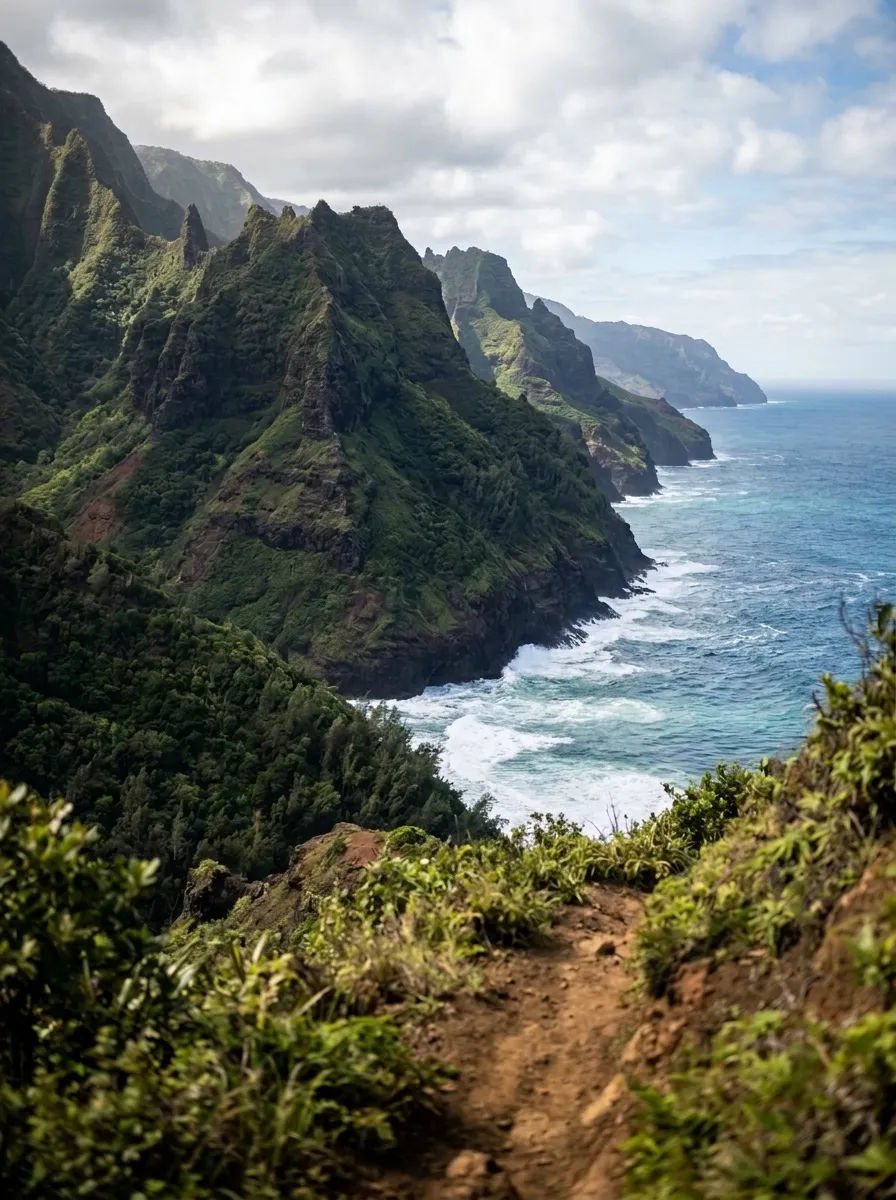
The Na Pali Coast is one of Kauai’s most recognizable natural landmarks. Its towering green cliffs, narrow valleys, waterfalls, and deep-blue ocean create spectacular scenery that is difficult to experience anywhere else on the island.
There are three main ways to explore this rugged coastline:
- Boat tours: View sea cliffs, coastal caves, waterfalls, and marine life from the water.
- Helicopter tours: See remote valleys and waterfalls that are difficult to reach by road.
- Hiking: Explore the Kalalau Trail area for a closer look at the coastline on foot.
Boat trips can offer excellent opportunities for photography and wildlife observation. However, ocean swells and weather conditions affect access, particularly during winter.
For a first visit, choose a boat or helicopter excursion if you want expansive views without committing to a demanding hike. Travelers considering the Kalalau Trail should check the latest trail access, permit requirements, and safety notices before setting out.
Best for: Scenic photography, adventure seekers, nature lovers, and boat excursions.
Visit Waimea Canyon State Park

Waimea Canyon is famous for its red, brown, and green landscape. Often called the Grand Canyon of the Pacific, it offers a dramatic contrast to Kauai’s tropical beaches.
The canyon features steep ridges, deep valleys, forested slopes, and distant waterfalls. Several overlooks allow visitors to appreciate the scenery without completing a long hike.
Popular stops include:
- Waimea Canyon Lookout: A convenient place to appreciate the canyon’s scale.
- Puʻu Hinahina Lookout: Another viewpoint for panoramic landscape photographs.
- Waipoʻo Falls: A waterfall visible from selected viewpoints and hiking routes.
- Canyon Trail: A hiking option for travelers seeking a closer encounter with the terrain.
You can combine several overlooks in one outing, but allow extra time for winding mountain roads, parking, changing weather, and short walks between stops.
Hikers should carry sufficient water, wear suitable footwear, and avoid approaching exposed cliff edges for photographs.
Best for: Scenic drives, hiking, photography, and landscape enthusiasts.
Relax at Hanalei Bay
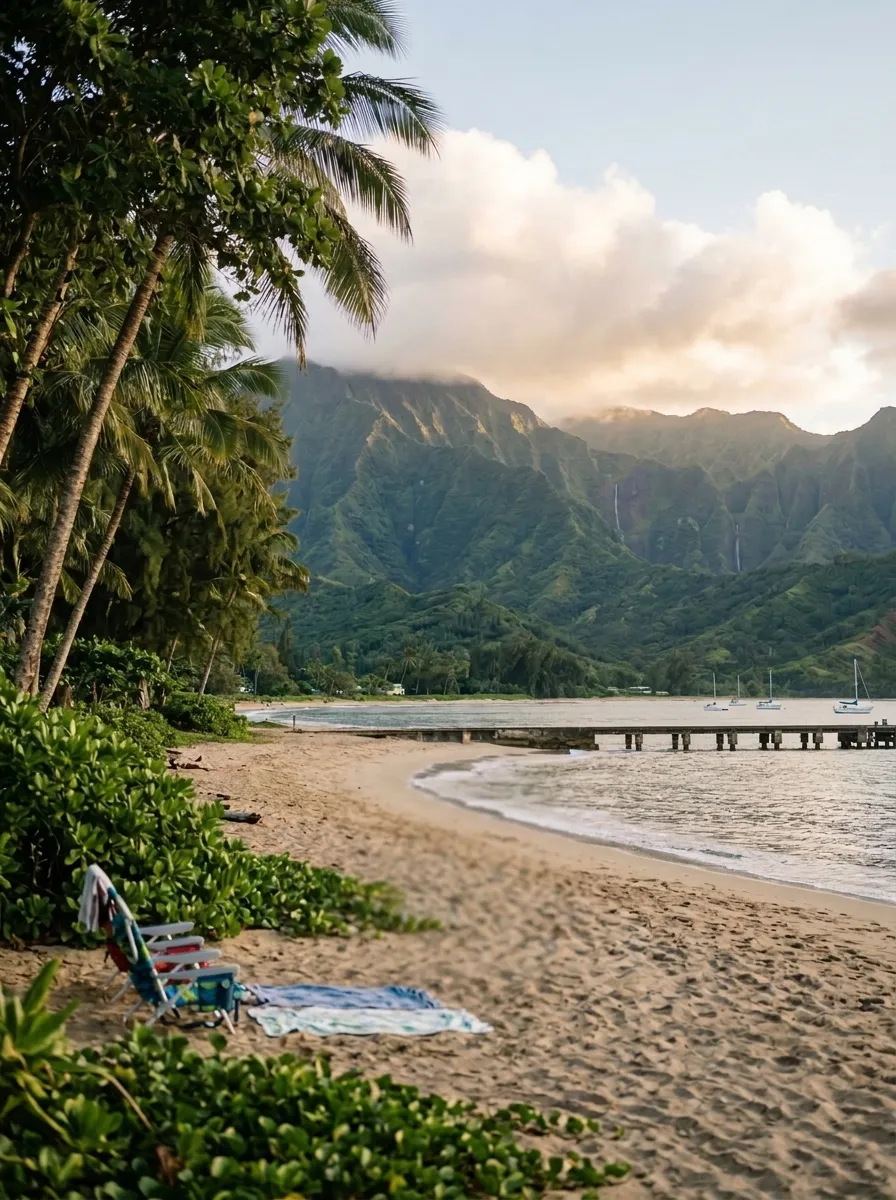
Hanalei Bay is a beautiful North Shore destination with a broad crescent-shaped beach, green mountain backdrops, and a relaxed coastal atmosphere.
Visitors can enjoy beach walks, photography, paddleboarding, and sunset views. The surrounding town also provides opportunities to explore local shops and casual dining.
Surfing conditions vary considerably by season. Winter waves can become powerful, making some areas unsuitable for inexperienced swimmers. Always check local ocean advisories and follow posted warnings.
For a more relaxed visit, spend part of the day at the beach before exploring Hanalei’s small businesses and nearby scenic stops.
Best for: Beach relaxation, photography, sunset viewing, and exploring a coastal town.
Discover Tunnels Beach (Mākua Beach)
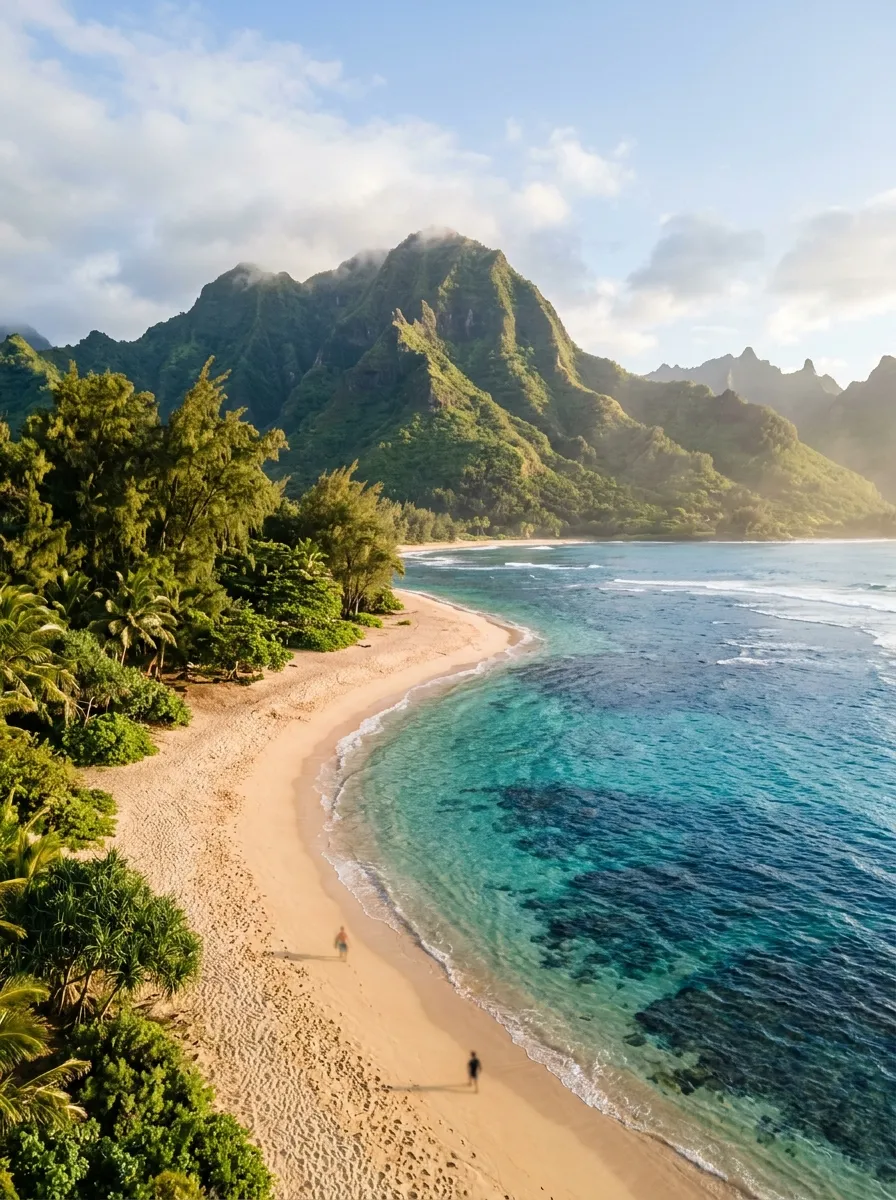
Tunnels Beach, also known as Mākua Beach, is known for its tropical scenery and snorkeling potential. Under suitable conditions, visitors may see colorful reef fish and underwater rock formations.
The beach is particularly appealing to travelers who want to combine coastal photography with time in the water.
Before entering the ocean, check surf forecasts, currents, visibility, and any local warnings. Winter swells can make North Shore beaches dangerous even when the weather appears sunny.
Parking can be limited, so arrive with a plan and respect neighborhood parking restrictions. Do not assume that snorkeling conditions will be safe simply because other people are in the water.
Best for: Experienced snorkelers in suitable conditions, beach lovers, and photographers.
Walk the Kalalau Trail Area
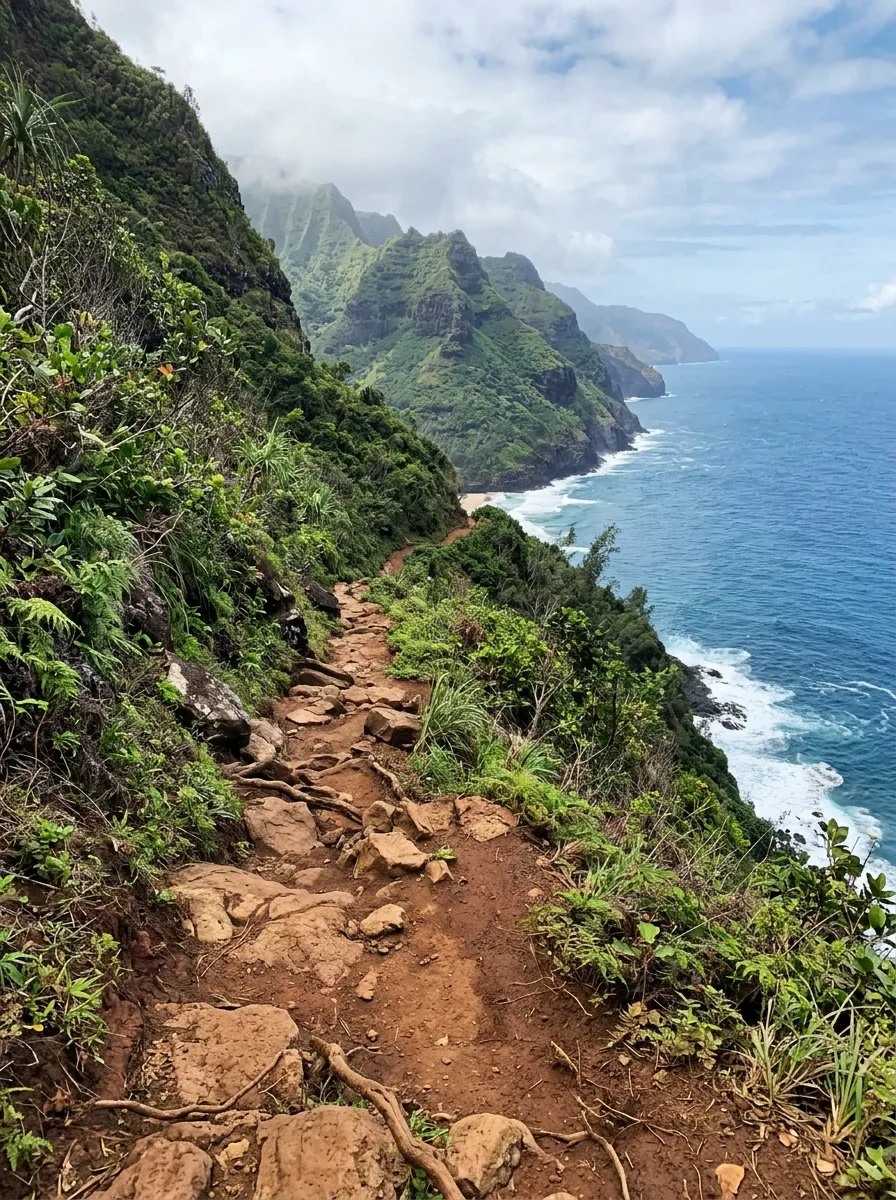
The Kalalau Trail follows a spectacular section of the Na Pali Coast and is known for its steep terrain, ocean views, and remote landscapes.
The full trail is approximately 11 miles one way, making the complete out-and-back journey roughly 22 miles. It is a serious undertaking rather than a casual beach walk.
Permits and advance arrangements apply to certain trail access and overnight activities. Requirements depend on the section you intend to visit, so verify the current rules before traveling.
Keep these preparation tips in mind:
- Wear reliable hiking shoes with good traction.
- Carry enough drinking water and food.
- Check the weather and trail conditions before departure.
- Start early enough to allow for the return journey.
- Avoid exposed sections when conditions are wet or unstable.
- Never cross dangerous streams or attempt a route beyond your ability.
If you prefer a shorter outing, investigate the permitted day-hiking options in the area instead of committing to the entire trail.
Best for: Experienced hikers, coastal scenery, and challenging outdoor adventures.
Hike to Hanakāpīʻai Falls
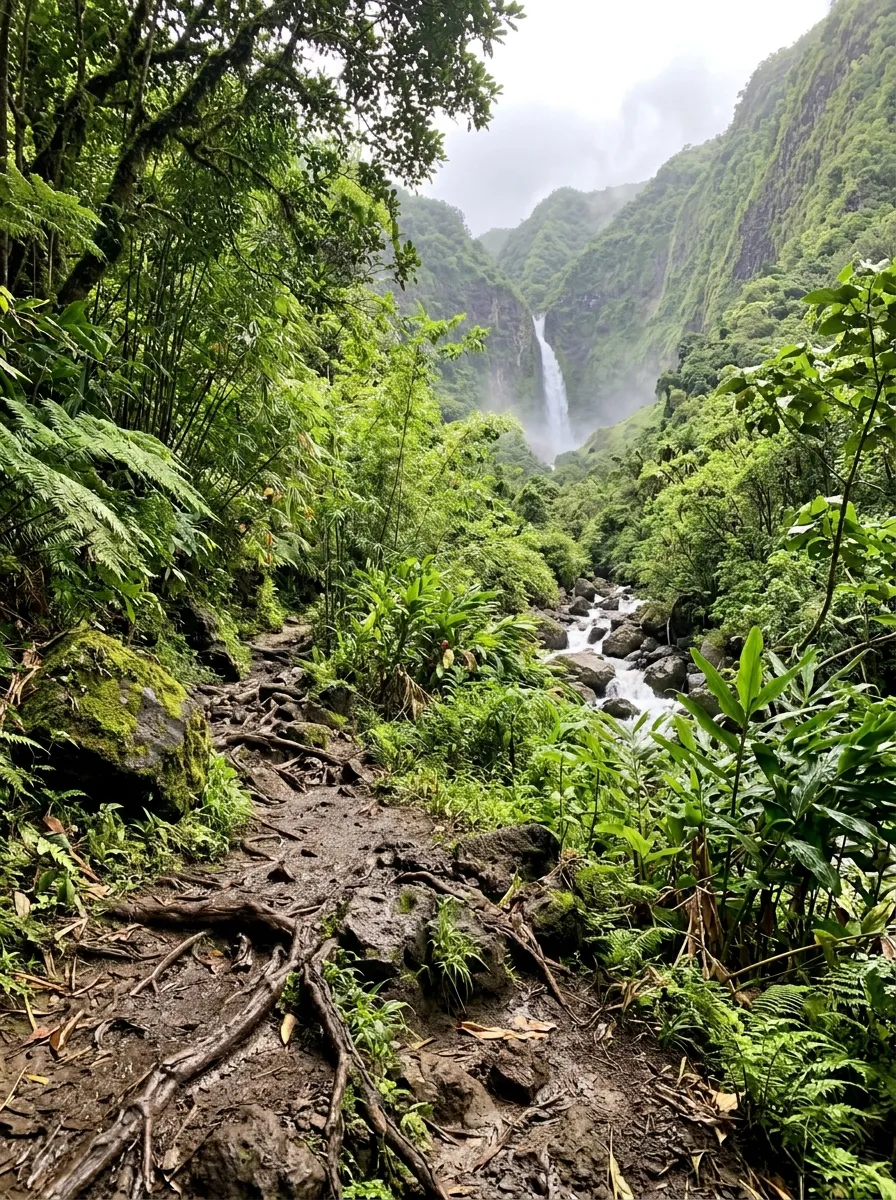
Hanakāpīʻai Falls is a rewarding destination for travelers who want to see a waterfall surrounded by tropical vegetation.
The commonly described route is approximately 8 miles round trip, depending on the exact route and trail conditions. It involves a demanding hike and can become particularly difficult after rain.
The journey offers forest scenery, streams, and views of Kauai’s rugged interior. However, muddy ground, slippery rocks, and sudden changes in weather require careful preparation.
Before leaving, confirm current trail access and the relevant permit or reservation requirements. Carry sufficient water, allow time for the return journey, and avoid entering swollen streams.
This hike is best approached as a full outdoor excursion rather than a quick stop between other attractions.
Best for: Fit hikers, waterfall photography, and rainforest scenery.
Take a Helicopter Tour Over Kauai
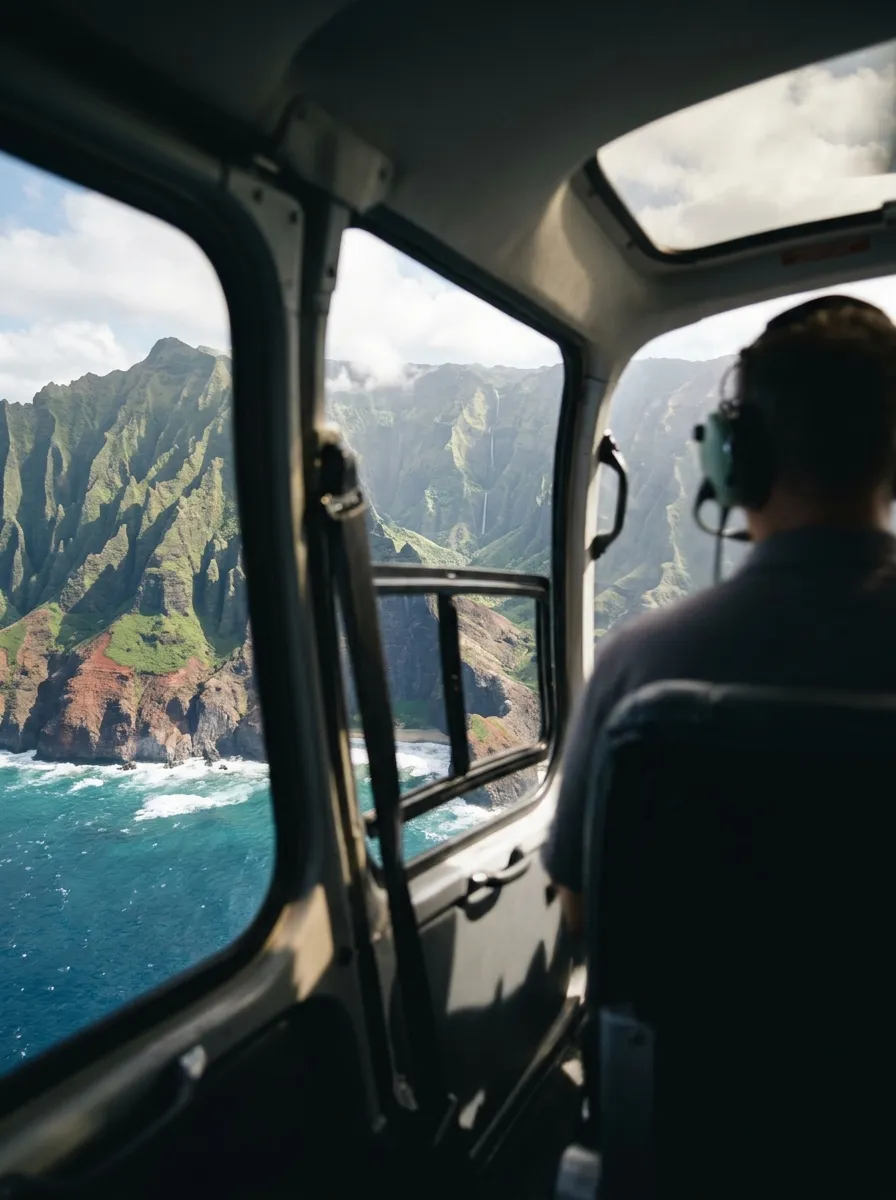
A helicopter tour offers a different perspective on Kauai’s mountains, valleys, cliffs, and waterfalls.
Some remote areas are difficult or impossible to reach by road, which makes aerial sightseeing an appealing option for visitors with limited time.
One famous landmark is Manawaiopuna Falls, also known as Jurassic Falls. The waterfall is associated with the island’s dramatic cinematic landscapes.
When choosing a tour, compare the following:
- Flight duration and route.
- Departure location.
- Aircraft type and passenger capacity.
- Weather-related cancellation policies.
- Window arrangements and photography opportunities.
- Total price, including any additional fees.
Prices vary by operator, aircraft, route, and season. Treat published starting prices as estimates rather than guaranteed rates.
For travelers who want to see several remote landscapes without long hikes, an aerial tour can be an efficient addition to an island itinerary.
Best for: Photography, sightseeing, couples, and travelers with limited hiking time.
Kayak Along the Wailua River
The Wailua River provides a different type of adventure from Kauai’s open-ocean coastline. Its calm-looking stretches, tropical vegetation, and surrounding mountains make it popular for kayaking and guided excursions.
Some trips combine paddling with a forest walk and a waterfall visit. Others emphasize the river itself and nearby cultural landmarks, including Fern Grotto.
Options include guided tours and independent kayaking where permitted. Beginners may find a guided excursion easier because equipment, route guidance, and safety instructions are generally included.
Bring sun protection, drinking water, and clothing suitable for getting wet. Before booking, check the expected paddling distance, walking requirements, total duration, and whether lunch or equipment is included.
Published tour prices have included starting amounts around $100 per person, but actual rates depend on the operator and package.
Best for: Beginners with a suitable guided tour, families with appropriate supervision, and outdoor enthusiasts.
Visit Fern Grotto
Fern Grotto is a lush natural attraction associated with the Wailua River area. Its vegetation-covered surroundings and shaded setting make it a memorable stop during a river excursion.
Many visitors combine the experience with a boat tour rather than planning a separate visit.
The grotto is especially appealing to travelers interested in tropical plants, photography, and Hawaiian cultural history. It also provides a quieter contrast to Kauai’s exposed coastal viewpoints.
Check current tour availability, departure times, and access arrangements before visiting, since the experience depends on the operating excursion and prevailing conditions.
Best for: Nature lovers, photography, cultural sightseeing, and river excursions.
See Spouting Horn Blowhole
Spouting Horn is a natural coastal blowhole near Poʻipū on Kauai’s South Shore.
As waves enter a lava tube beneath the rocky shoreline, water can shoot upward through an opening. The resulting spray and rushing sound make this an unusual natural attraction.
The blowhole has been described as sending water up to 50 feet into the air under suitable conditions. Actual spray height varies with wave strength, tides, and ocean conditions.
The area is relatively easy to incorporate into a South Shore sightseeing route. It is particularly attractive for short visits and coastal photography.
For safety, remain behind barriers, stay away from unstable rocks, and never approach the blowhole opening. Strong waves can reach farther inland than expected.
Best for: Families seeking a short stop, coastal photography, and nature sightseeing.
Visit Kilauea Point Lighthouse and Wildlife Refuge
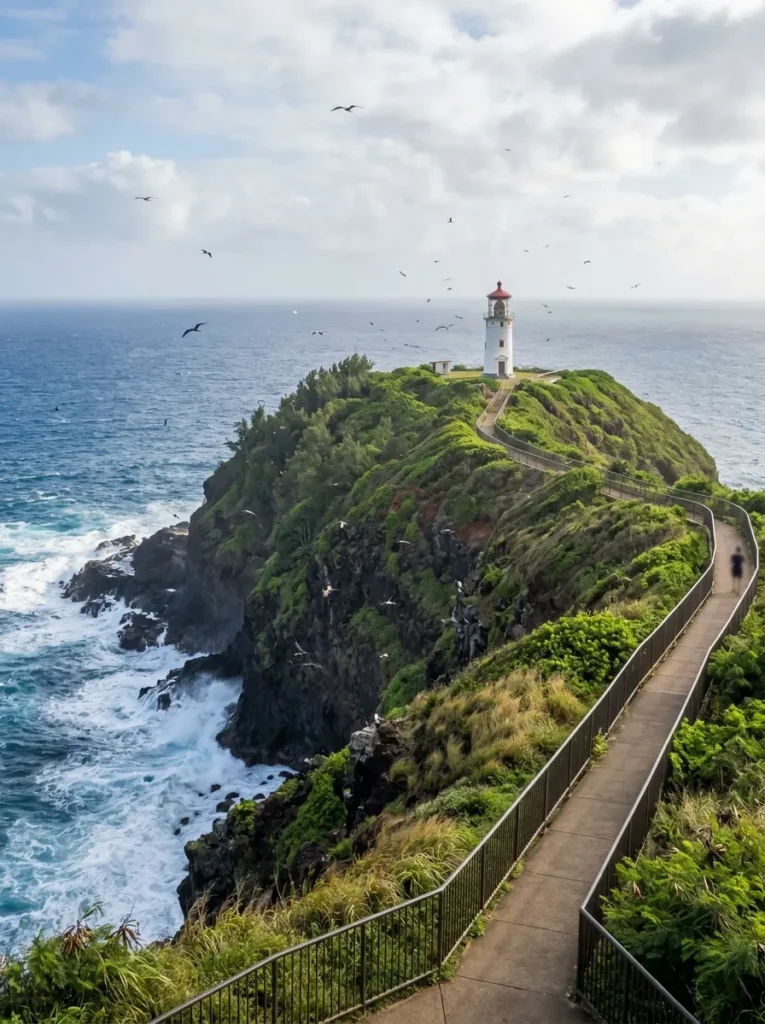
Kilauea Point is a scenic North Shore destination known for its lighthouse, ocean views, and seabird habitat.
The lighthouse was built in 1913 and remains an important historical landmark. The surrounding refuge provides opportunities to observe seabirds and, in suitable conditions, marine wildlife offshore.
Species associated with the area include red-footed boobies, frigatebirds, and the nene, Hawaii’s native goose. Humpback whales may also be visible offshore during the winter migration season.
A successful visit depends on timing and patience. Bring binoculars if you have them, and use a camera zoom rather than approaching wildlife.
Check current refuge opening hours, admission requirements, and reservation rules before traveling. Access arrangements can change, and the lighthouse should not be assumed to be open for unrestricted interior visits.
Best for: Birdwatching, wildlife photography, history, and scenic ocean views.
Walk the Kuilau Ridge Trail
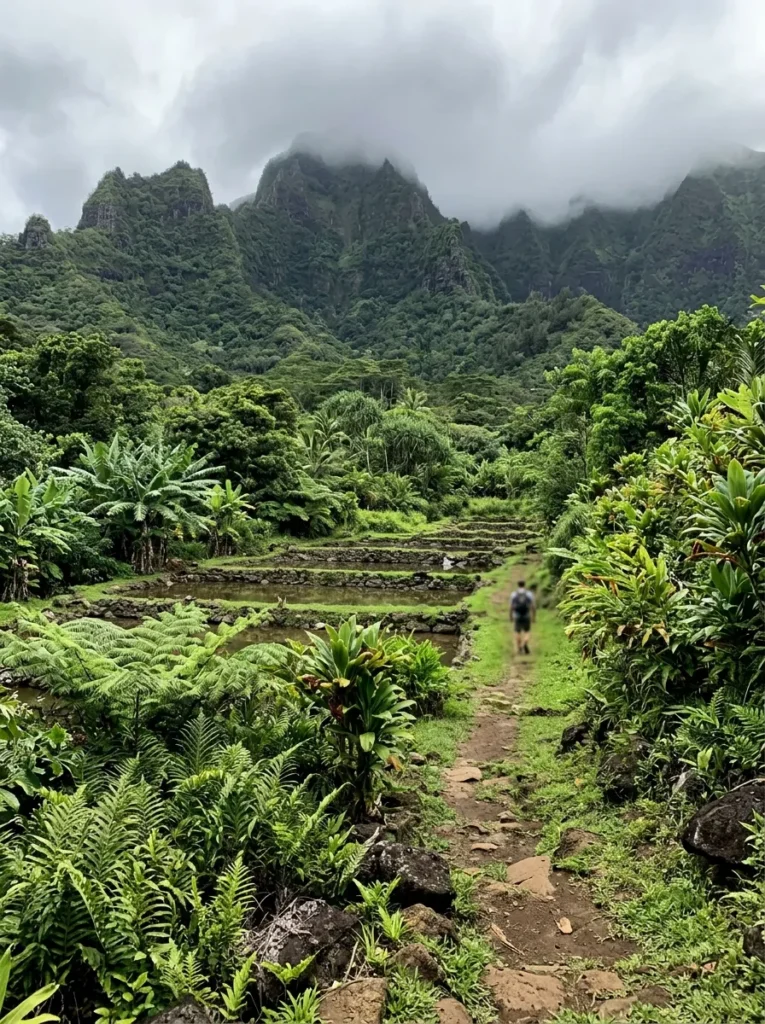
Kuilau Ridge Trail offers a rewarding hike through tropical vegetation with views toward Kauai’s mountainous interior.
The route is commonly described as approximately 3.4 miles round trip, although actual distance depends on the chosen turnaround point and current trail conditions.
Compared with the more demanding coastal routes, Kuilau Ridge can be an appealing option for visitors who want forest scenery without attempting an extremely long hike.
Conditions can be muddy, particularly after rainfall. Good footwear, drinking water, and an early start can make the experience more comfortable.
Allow enough time for photographs and breaks, and check the latest access information before heading out.
Best for: Moderate hiking, forest scenery, and landscape photography.
Explore Sleeping Giant Trail
Sleeping Giant, also called Nounou Mountain, is a recognizable hiking destination on Kauai’s eastern side.
The trail leads toward elevated viewpoints with broad views over the surrounding landscape. Depending on the selected route and turnaround point, reported hiking distances range from approximately 2.2 to 3.8 miles.
Some visitors prefer an early start for cooler temperatures and morning light. Others choose a later visit when visibility and weather are favorable.
The final sections can be steep or uneven, so do not judge the route only by its distance. Wear suitable shoes, carry water, and avoid exposed sections when the ground is wet.
Best for: Active travelers, sunrise photography, and panoramic viewpoints.
Experience Limahuli Garden & Preserve
Limahuli Garden & Preserve offers an opportunity to learn about native Hawaiian plants, traditional land use, and the relationship between people and the island’s natural environment.
The garden is especially valuable for visitors who want to understand Kauai beyond its beaches and adventure activities.
A walking route of approximately 0.75 miles has been described for exploring the garden landscape. Allow additional time to read interpretive information, appreciate the plants, and enjoy the valley scenery.
Reservations are recommended, and current access rules should be checked before arrival.
Visitors should remain on designated paths and respect the plants and cultural features of the preserve.
Best for: Botanical interests, cultural learning, relaxed walking, and educational family outings.
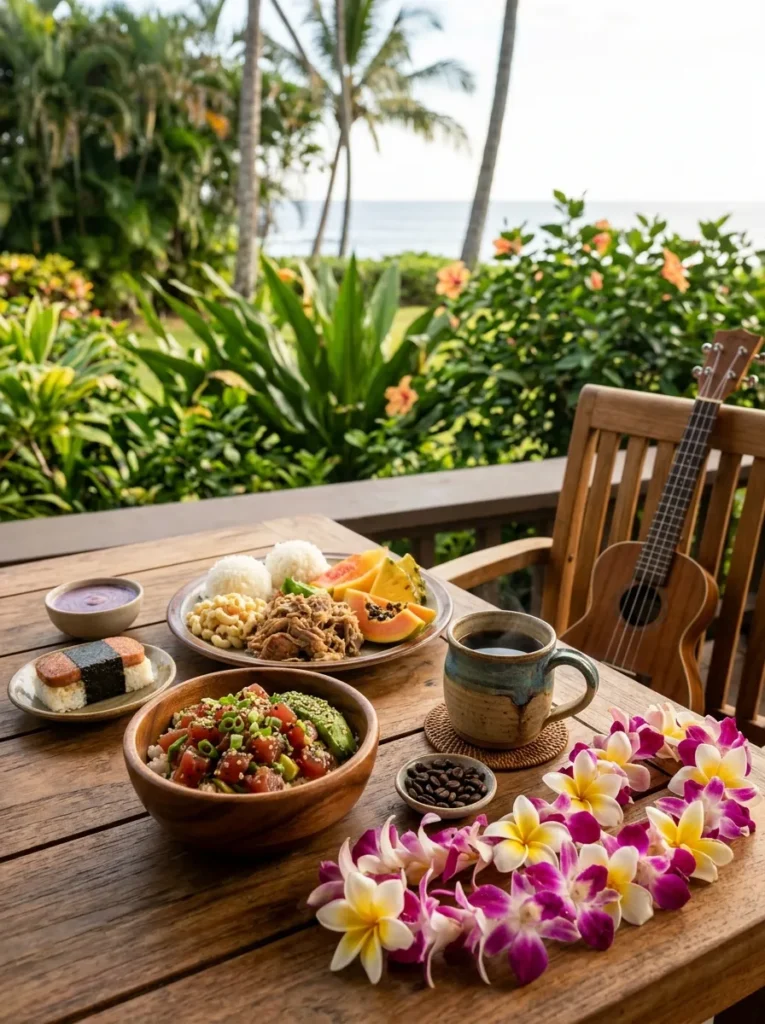
Enjoy Local Food, Coffee, and Hawaiian Culture
Kauai’s food scene provides an enjoyable way to experience local flavors between hikes and beach visits.
Rather than eating every meal at a resort, consider stopping at local cafés, casual restaurants, and small food businesses around the island.
Some places highlighted in travel recommendations include:
- Kalalea Juice Hale: Known for fruit-based drinks and açaí bowls.
- Aloha Roastery: A coffee stop with locations associated with Līhuʻe and Kapaʻa.
- Da Crack Mexican Grinds: A casual takeaway option in Kōloa.
- Da Booze Shop: Associated with local-style plate lunches and dishes such as loco moco.
- Smith Family Garden Luau: A cultural dining experience featuring Hawaiian food, music, and traditional performances.
- Luau Kalamaku: Another option for visitors interested in a staged cultural evening.
You can also look for locally grown Hawaiian coffee, fresh seafood, tropical fruit, and traditional foods such as poi and kalua pig.
Prices, menus, operating hours, and reservations vary by business. Check current information before making a special trip.
Best for: Food lovers, cultural experiences, coffee enthusiasts, and relaxed evenings.
Best Time to Visit Kauai
Kauai can be visited throughout the year, but the most suitable time depends on your preferred activities and tolerance for rain, crowds, and changing ocean conditions.
Spring: April and May
Spring can be attractive for travelers looking for a balance between outdoor exploration and potentially lighter visitor traffic. It is a useful period to consider for hiking, scenic drives, and garden visits.
Conditions still vary, so check forecasts and trail notices before planning a long outdoor day.
Summer: June through August
Summer often brings drier conditions and can offer favorable opportunities for exploring the North Shore by boat or spending time at the beach.
However, popular attractions may be busy, and reservations can be important. Strong sun also makes water, shade, and sun protection essential.
Autumn: September and October
Early autumn is worth considering if you prefer to avoid some of the busiest travel periods. It can suit scenic drives, local food stops, and hiking when conditions are appropriate.
Compare accommodation rates and transport availability before selecting dates.
Winter: December through March
Winter brings the opportunity to look for migrating humpback whales. Peak whale activity is commonly associated with January through March, although sightings are never guaranteed.
North Shore surf and rainfall can increase during winter. Visitors planning beach time may prefer to investigate South Shore conditions, including around Poʻipū, while checking daily ocean advisories.
Seasonal planning at a glance
| Travel period | Main advantage | Important consideration |
|---|---|---|
| April–May | Outdoor exploration and potentially fewer crowds | Variable rainfall |
| June–August | North Shore excursions and beach activities | Busy attractions and strong sun |
| September–October | Potentially quieter travel | Weather can vary |
| December–March | Humpback whale-watching opportunities | Large surf and wetter conditions in some areas |
How to Plan a Practical Kauai Itinerary
One of the most important planning decisions is grouping attractions by location. Kauai’s main road does not form a complete loop through the Na Pali Coast, and driving between distant regions can consume a large part of your day.
One-day itinerary
If you have only one day, choose a single region instead of trying to see the entire island.
Option A: South Shore
- Visit Poʻipū Beach.
- Stop at Spouting Horn.
- Enjoy a local lunch or coffee.
- Spend the afternoon relaxing on the coast.
Option B: Waimea Canyon
- Drive toward Waimea Canyon State Park.
- Visit accessible overlooks.
- Choose a hike appropriate for your fitness.
- Return with enough daylight for a comfortable drive.
Option C: East Side
- Book a suitable Wailua River excursion.
- Visit Fern Grotto if included in your tour.
- Explore nearby food and coffee stops.
Three-day itinerary
Day 1: South Shore and canyon
Explore Poʻipū, visit Spouting Horn, and drive toward Waimea Canyon if time and road conditions permit.
Day 2: East Side and river adventures
Choose a Wailua River kayaking experience, visit Fern Grotto if available, and explore local cafés.
Day 3: North Shore
Visit Hanalei Bay, consider Tunnels Beach when ocean conditions permit, and choose a suitable Na Pali Coast excursion.
This outline is flexible rather than a promise that every stop can be completed within the suggested day. Guided tours, trail reservations, and driving time should determine the final schedule.
Five-day itinerary
With five days, you can explore more slowly and avoid packing every activity into a single outing.
- Day 1: Poʻipū Beach and Spouting Horn.
- Day 2: Waimea Canyon and selected overlooks.
- Day 3: Wailua River, Fern Grotto, and eastern Kauai.
- Day 4: Hanalei Bay and North Shore scenery.
- Day 5: A pre-booked boat trip, helicopter tour, or a suitable hike.
Keep a backup plan for activities affected by ocean conditions or rain. Flexibility is especially useful for boat excursions and demanding trails.
Practical Tips Before Visiting Kauai
1. Book important activities early
Boat tours, helicopter trips, gardens, and certain trail access arrangements may require advance reservations. Confirm the current rules for your intended date.
2. Check trail conditions
A short trail can still be dangerous when muddy, exposed, or affected by swollen streams. Choose routes that match your fitness and experience.
3. Respect ocean warnings
Do not enter the water simply because a beach looks calm. Currents, waves, and changing conditions can create serious risks, particularly on the North Shore during winter.
4. Protect valuables
Keep valuables out of sight in parked vehicles, and avoid leaving bags unattended on beaches. Take only what you need for the outing.
5. Respect wildlife
Maintain a safe distance from Hawaiian monk seals, sea turtles, seabirds, and other animals. Do not feed, touch, or pursue wildlife for photographs.
6. Carry basic hiking supplies
For longer hikes, pack drinking water, food, sun protection, a charged phone, and suitable footwear. A route map and a realistic turnaround time are particularly important on remote trails.
7. Plan around daylight
Allow enough time to return before darkness, especially on steep trails and unfamiliar roads. Do not rely on an optimistic travel estimate when weather or traffic may delay you.
8. Check local fees and opening hours
Park access, parking, tour prices, and reservation systems can change. Confirm current details through the relevant official park, refuge, or activity provider before departure.
FAQs
What are the best things to do in Kauai for first-time visitors?
Start with Waimea Canyon, Hanalei Bay, the Na Pali Coast, Wailua River, and Poʻipū Beach. These experiences offer a useful mix of coastal scenery, outdoor adventure, local culture, and relaxing beach time.
How many days do you need to explore Kauai?
Three to five days provides a useful starting point for exploring several regions without rushing every activity. A longer stay allows more flexibility for demanding hikes, changing weather, and boat or helicopter tours.
Is Kauai suitable for families?
Yes. Families can enjoy accessible viewpoints, suitable beaches, scenic drives, gardens, and selected guided excursions. Choose swimming areas carefully, supervise children near the ocean, and match hiking routes to everyone’s abilities.
What is Kauai most famous for?
Kauai is particularly known for the Na Pali Coast, Waimea Canyon, tropical mountains, waterfalls, lush valleys, beaches, and outdoor activities. Its natural scenery is a major reason travelers visit the island.
Is the Kalalau Trail difficult?
Yes. The full route is approximately 11 miles one way, and the terrain includes steep and exposed sections. It requires preparation, suitable fitness, careful weather checks, and compliance with current permit and access rules.
When is the best time to see whales in Kauai?
Humpback whales typically visit Hawaiian waters during the winter migration season. January through March is commonly identified as a peak period, although sightings depend on conditions and are never guaranteed.
Can you visit Waimea Canyon without hiking?
Yes. Several scenic overlooks provide views without requiring a long hike. Visitors can combine these stops with a scenic drive, although road conditions, parking, and weather should be considered.
Is a rental car necessary in Kauai?
A rental car is useful for reaching many beaches, viewpoints, trailheads, and local businesses. Guided tours and other transport options may suit some travelers, but distances between regions make transportation planning important.
What should you avoid doing in Kauai?
Avoid entering dangerous surf, hiking closed or unsuitable trails, approaching wildlife, leaving valuables visible in vehicles, and ignoring permit requirements. Respect local communities, cultural sites, natural habitats, and posted safety instructions.
Are boat tours or helicopter tours better for seeing the Na Pali Coast?
Boat tours offer a water-level view of cliffs and coastal caves when conditions allow. Helicopter tours provide aerial views of remote valleys and waterfalls. The better choice depends on your budget, comfort, weather, and preferred perspective.
Final Thoughts
Kauai offers a remarkable combination of dramatic coastlines, tropical forests, waterfalls, scenic hiking routes, cultural experiences, and local food. The Na Pali Coast, Waimea Canyon, Hanalei Bay, and Wailua River are excellent starting points, while quieter garden visits and small food businesses can add depth to your trip.
The best itinerary is not necessarily the one with the most stops. It is the one that balances travel time, physical effort, weather, and the experiences you genuinely want to enjoy.
Choose activities by region, verify reservations and access rules, and leave room for changing conditions. With sensible planning and respect for Kauai’s natural environment, you can enjoy a rewarding visit while helping protect the island for future travelers.

Hi, I’m Marcus! I love exploring the outdoors and discovering incredible places. Through ExploreNatureTrips blog, I share my travel experiences, useful tips, and recommendations for the best sights, trails, and destinations to visit.