
32 Best Things to Do in Charleston, SC (2026 Guide)

Charleston, South Carolina, is a destination where historic architecture, coastal scenery, Southern food, and outdoor adventures come together. Whether you are visiting for a weekend, planning a family vacation, or exploring the South Carolina coast on a road trip, the city offers plenty of ways to make your stay memorable.
You can spend the morning walking through historic neighborhoods, enjoy fresh seafood for lunch, visit a museum in the afternoon, and watch the sunset near the waterfront. Beyond downtown, nearby islands, gardens, and historic sites provide additional opportunities to explore.
This guide covers 30+ things to do in Charleston, SC, including well-known landmarks, local food experiences, museums, shopping areas, outdoor activities, and nearby day trips. It also includes practical planning information to help you choose attractions based on your interests and available time.
Gallery:
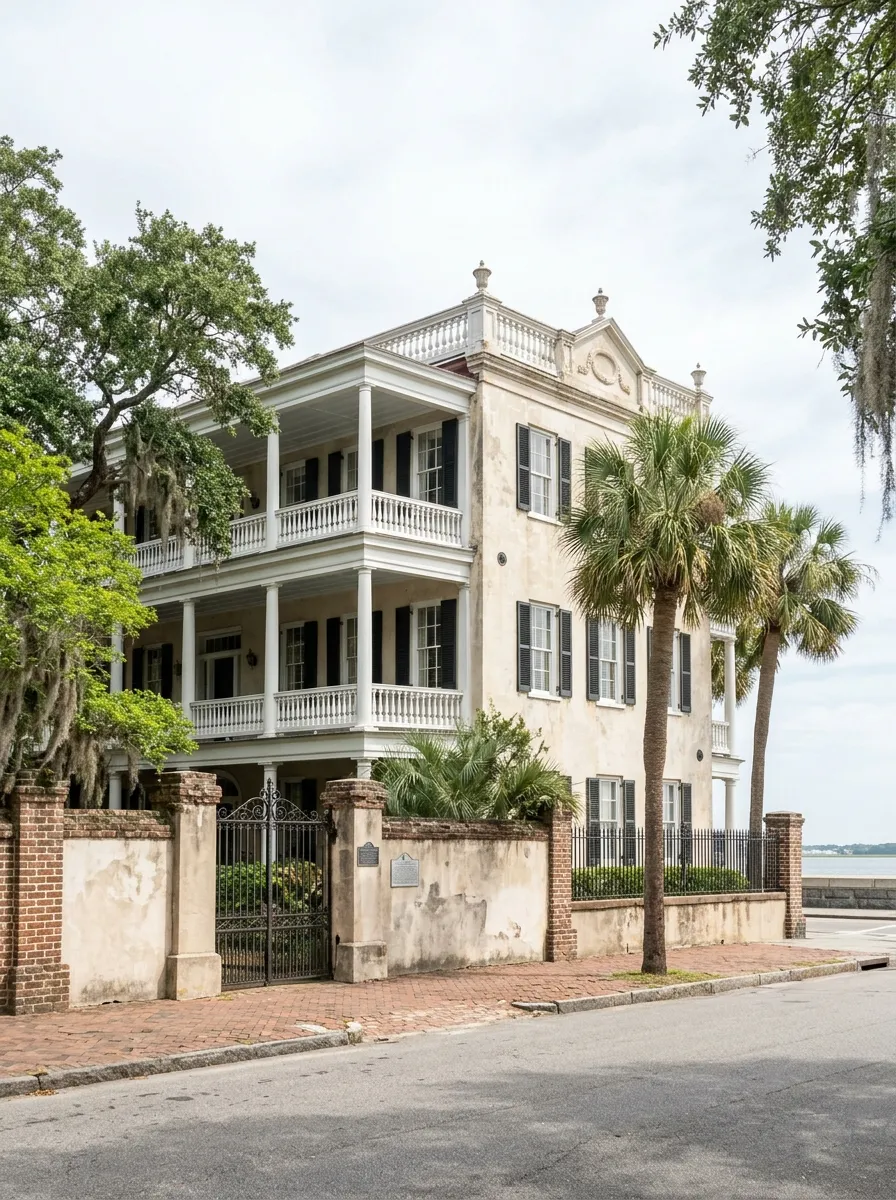
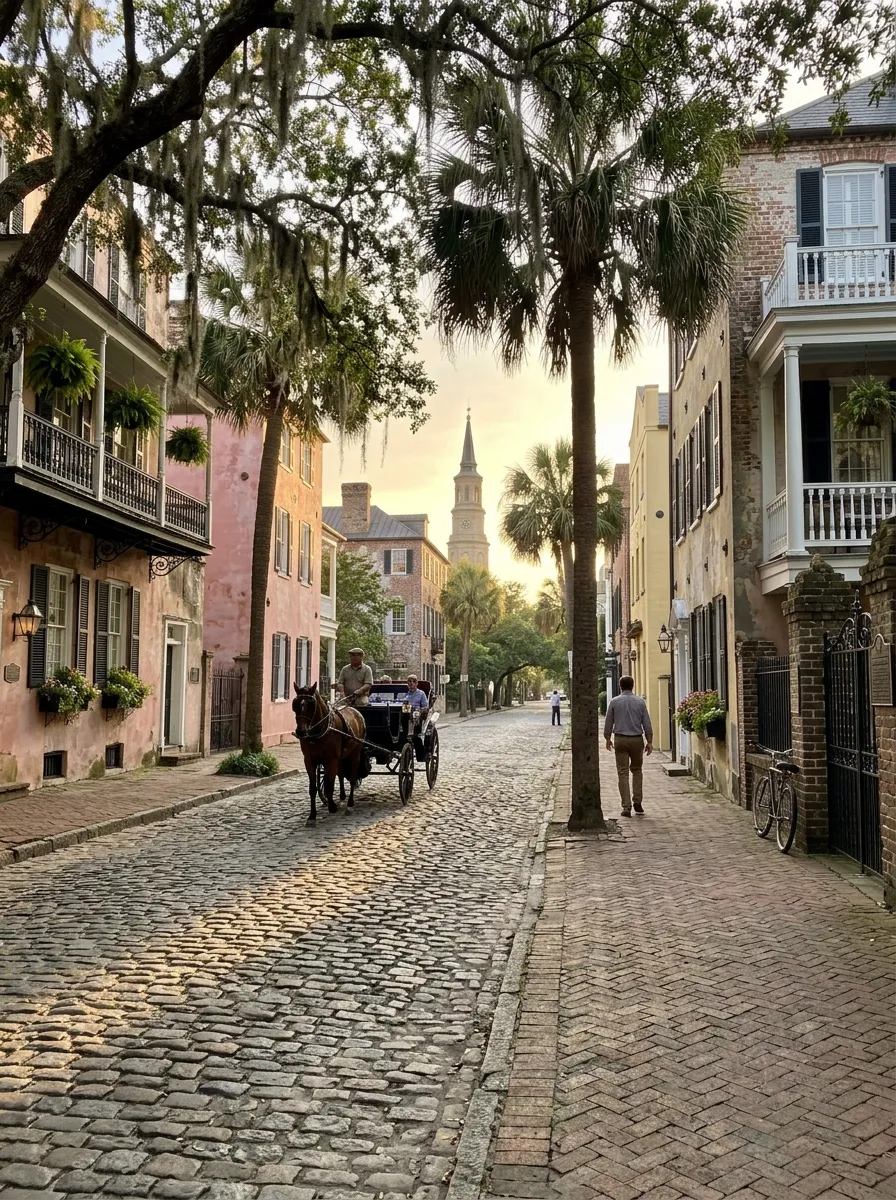
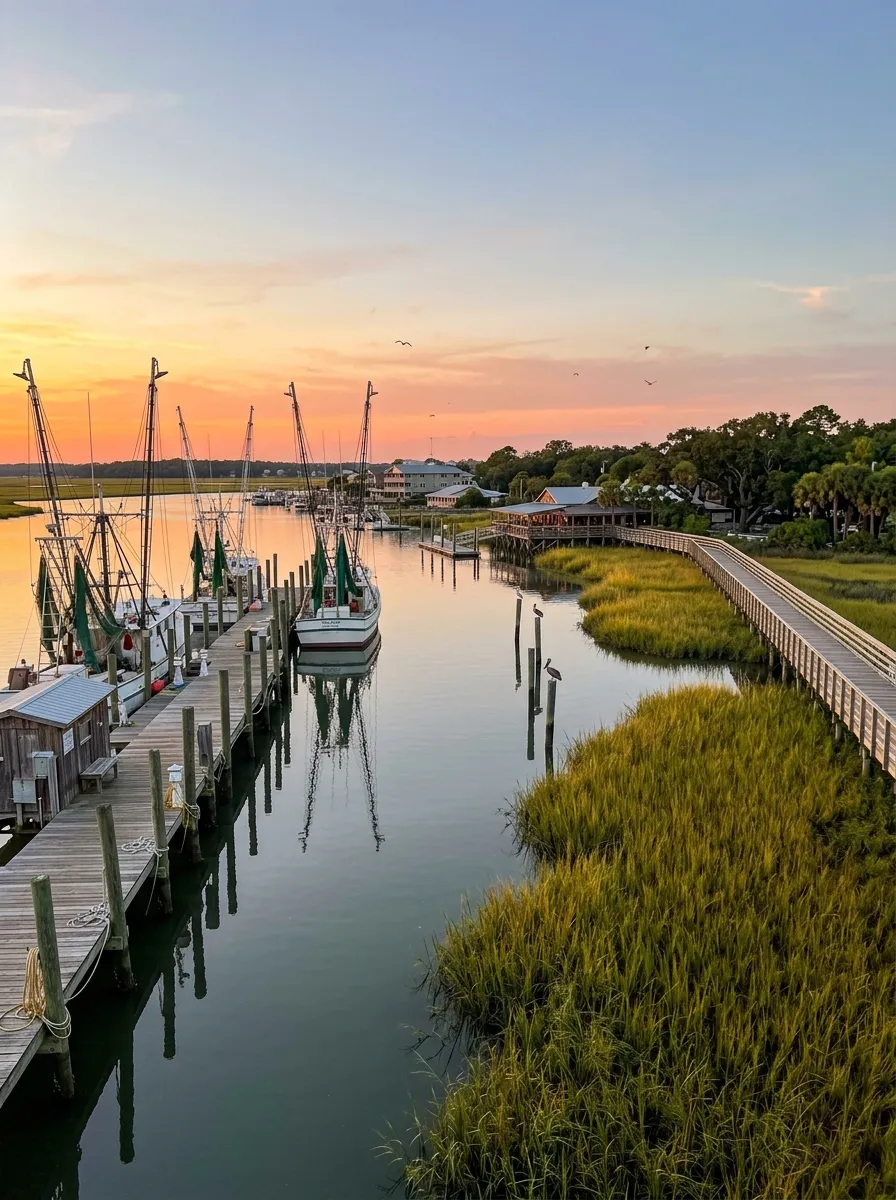
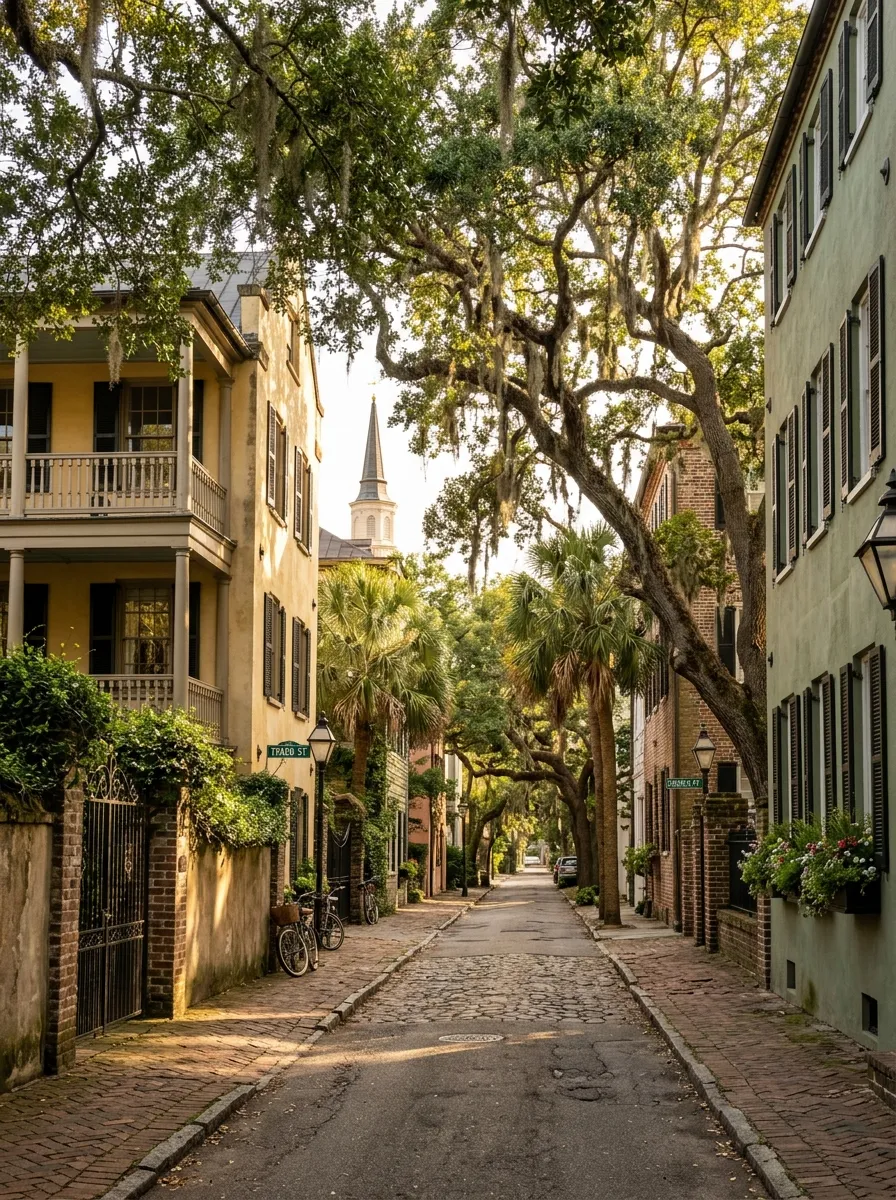
32 Best Things to Do in Charleston SC: Attractions and Experiences
1. Explore Charleston’s Historic District
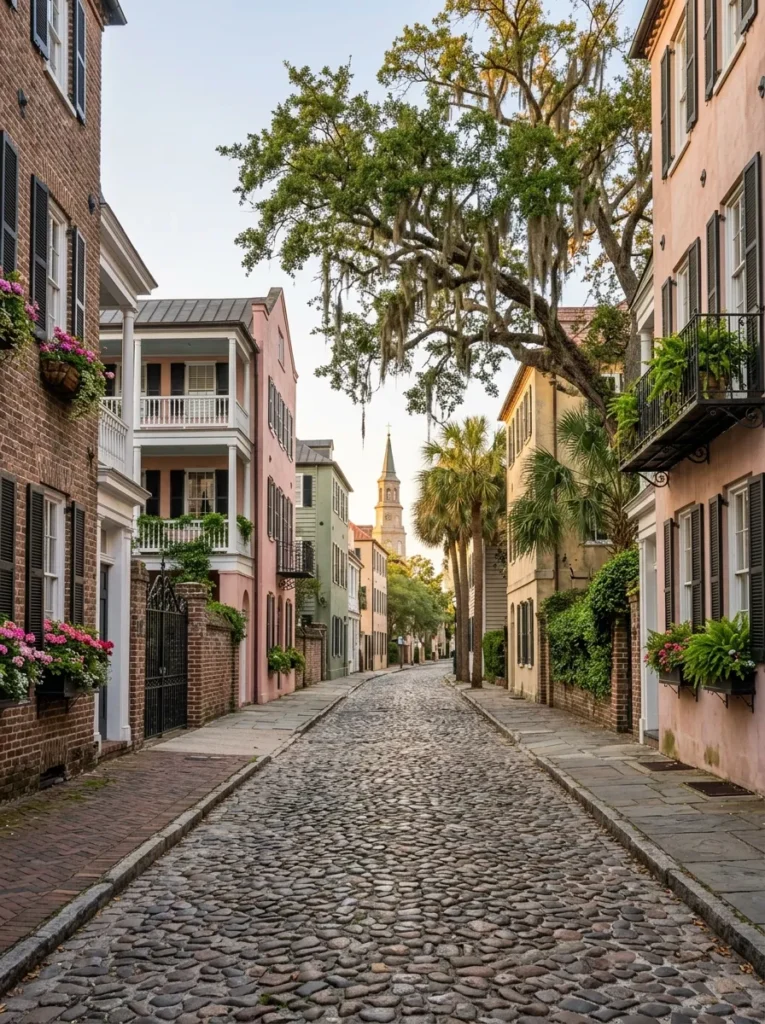
Charleston’s historic district is one of the best places to begin your visit. Its streets feature traditional Southern homes, historic churches, colorful buildings, small courtyards, and architectural details that reflect different periods of the city’s history.
Walking is one of the easiest ways to explore this area because many attractions are close together. Wear comfortable shoes, carry water, and allow time to stop for photographs.
Here you can read 5 easy way to explore this area
1. Visit Rainbow Row
Rainbow Row is a famous stretch of pastel-colored historic houses. The buildings create a recognizable streetscape and are particularly popular with visitors interested in architecture and photography.
Helpful tip: Visit earlier in the morning if you prefer quieter streets and softer light for photographs. Remember that the houses are private residences, so admire them from public areas.
2. Walk Along Broad Street
Broad Street offers a mixture of historic buildings, local businesses, churches, and traditional architecture. It is a useful starting point for exploring the surrounding historic neighborhoods.
Look for architectural details around doorways, windows, and courtyards as you walk. You can combine the route with nearby shops, restaurants, and historic landmarks.
3. Explore South of Broad
South of Broad is known for its historic homes, landscaped streets, and distinctive Southern character. The neighborhood is especially appealing to visitors who enjoy architecture and leisurely walks.
Allow extra time to explore the smaller streets rather than following only the main roads. Keep noise low and respect residents’ privacy while photographing the area.
4. Visit the Battery and White Point Garden
The Battery is a waterfront promenade lined with historic homes and views across Charleston Harbor. White Point Garden provides a nearby green space with mature trees, pathways, and historic monuments.
This area is suitable for a relaxed walk, scenic photographs, or a quiet break between sightseeing activities.
Best experience: Combine the Battery, White Point Garden, and South of Broad into one walking outing.
5. Discover the French Quarter
Charleston’s French Quarter is known for its historic streets, galleries, churches, and proximity to the waterfront. Its compact layout makes it easy to include in a downtown walking itinerary.
Visitors interested in architecture can explore the area’s historic buildings, while art lovers can browse galleries and exhibitions when available.
6. Visit Charleston City Market
Charleston City Market is a historic marketplace where visitors can browse local crafts, souvenirs, sweetgrass baskets, artwork, and other handmade products.
It is a useful stop for finding gifts and learning about regional craft traditions. Product availability and individual stall hours may vary, so check current information before making a special trip.
Visitor tip: Set a spending limit before browsing if you want to keep souvenir costs under control.
2. Enjoy Charleston’s Waterfront and Outdoor Attractions
Charleston’s coastal setting creates opportunities for boat trips, river views, waterfront walks, and outdoor activities. These experiences offer a different perspective from the historic streets.
Here you can read 6 best area of Charleston’s
7. Walk Across the Arthur Ravenel Jr. Bridge
The Arthur Ravenel Jr. Bridge connects Charleston with Mount Pleasant and provides views of the Cooper River and surrounding waterfront.
Its pedestrian and cycling path makes it attractive to visitors who enjoy exercise and photography. The bridge is approximately 186 feet above the water at its main span, according to the travel information summarized for this guide.
Plan your visit around comfortable weather, especially during warmer months. Carry water, wear suitable footwear, and check local access conditions before setting out.
8. Take a Charleston Harbor Cruise
A harbor cruise provides views of Charleston’s skyline, waterfront buildings, and surrounding waterways. Depending on the operator and itinerary, trips may also offer historical commentary.
Some cruises focus on sightseeing, while others emphasize sunset views or particular historical locations.
Before booking, compare:
- Duration: Check how long the boat remains on the water.
- Departure point: Confirm the exact dock and arrival instructions.
- Accessibility: Ask about boarding requirements and mobility limitations.
- Weather policy: Review cancellation or rescheduling arrangements.
- Included features: Check whether commentary, refreshments, or other services are provided.
Book popular departures in advance when possible, particularly during busy travel periods.
9. Relax at Waterfront Park
Waterfront Park is a pleasant place to take a break from sightseeing. The park features walking paths, shaded areas, waterfront views, and the recognizable pineapple fountain.
It works well as a short stop between nearby attractions or as part of a slower afternoon exploring downtown.
Visit with a camera, find a shaded bench, and enjoy the surrounding harbor scenery.
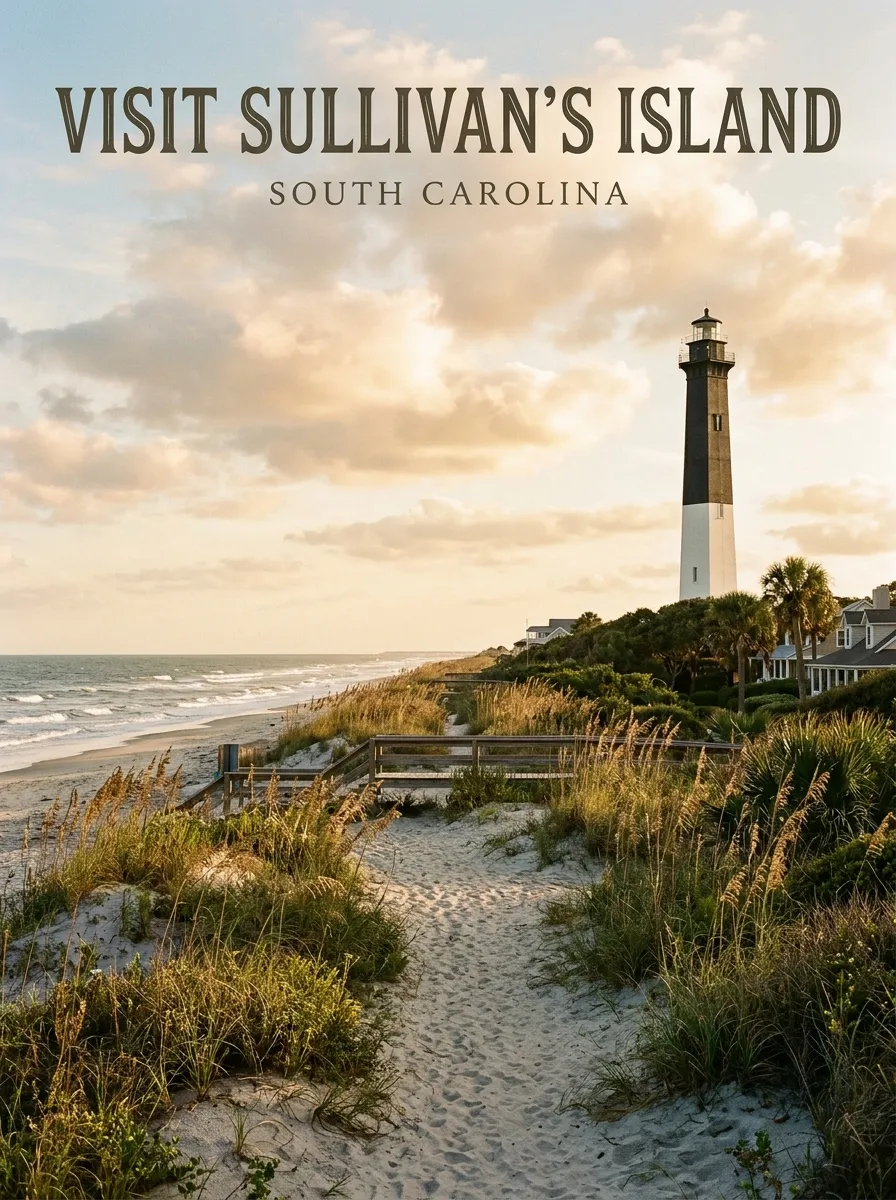
10. Visit Sullivan’s Island
Sullivan’s Island offers a coastal escape from the busier downtown streets. Visitors can enjoy the beach, local restaurants, and the island’s historic surroundings.
The island is commonly reached by car from central Charleston, although travel time depends on traffic and the starting point.
Keep beach visits environmentally responsible by taking rubbish with you, observing local rules, and respecting protected coastal habitats.
11. Explore Shem Creek
Shem Creek, in the Mount Pleasant area, is known for its waterfront atmosphere, seafood restaurants, and opportunities to observe coastal wildlife.
Depending on conditions and available operators, visitors may find kayaking or paddle-based activities nearby. Dolphins and other wildlife may occasionally be visible, but sightings are never guaranteed.
This is a good destination for travelers who want to combine a meal with time outdoors.
12. Take a Boat Trip to Fort Sumter
Fort Sumter is an important Civil War landmark situated in Charleston Harbor. Boat excursions provide access to the site and an opportunity to learn about the events surrounding the beginning of the war.
Confederate forces attacked Fort Sumter on April 12, 1861, marking the beginning of the American Civil War.
Check the current boat schedule, ticket requirements, and visitor information before traveling. Boat access is subject to operating conditions.
3. Discover Charleston’s Museums and Historic Sites

Charleston’s history extends beyond its streets and waterfront. Museums and preserved historic properties help visitors understand the city’s architectural heritage, the Civil War, slavery, and the cultural influences that shaped the region.
Here you can read 7 best area of Charleston’s
13. Visit the International African American Museum
The International African American Museum explores African American history, culture, and the experiences of people whose lives were shaped by the transatlantic slave trade.
It opened in June 2023 at the historically significant site of Gadsden’s Wharf. Its exhibitions and family-history resources provide opportunities for learning and reflection.
The museum is particularly relevant for visitors who want a deeper understanding of Charleston’s history beyond its beautiful architecture.
Check the museum’s current opening hours, ticket information, and exhibition schedule before visiting.
14. Explore the Aiken-Rhett House Museum
The Aiken-Rhett House preserves a historic Charleston residence and associated spaces that help visitors understand life in an earlier period.
The property is particularly valuable for understanding both the wealth of historic households and the experiences of enslaved people who lived and worked there.
Plan enough time to read the interpretive information rather than treating the visit as a quick photo stop.
15. Visit the Nathaniel Russell House
The Nathaniel Russell House is recognized for its historic architecture, interiors, and distinctive three-story staircase.
Visitors interested in historic homes can learn about domestic life, craftsmanship, and the social structure of earlier Charleston.
Check current tour arrangements and any restrictions before arriving.
16. Discover the Edmonston-Alston House
The Edmonston-Alston House is a historic property near the Battery, making it a natural addition to a waterfront walking route.
Its location connects architectural history with views of Charleston Harbor. If interior tours are available during your visit, they can provide further context about the building and its former residents.
17. Learn at the Old Slave Mart Museum
The Old Slave Mart Museum addresses Charleston’s role in the domestic slave trade and the experiences of enslaved people.
A visit provides important historical context that complements the city’s preserved buildings and streets. It is an opportunity to learn about the people whose labor contributed to Charleston’s development.
Allow time to engage with the exhibits thoughtfully, particularly if you are visiting several historic attractions in one day.
18. Visit the Gibbes Museum of Art
The Gibbes Museum of Art showcases art connected with Charleston and the wider American South.
Its collections and exhibitions provide a cultural alternative to outdoor sightseeing and architectural walks. It can be a useful choice during rainy weather or the hottest part of the day.
Check the current exhibition calendar to see which collections and programs are available during your visit.
19. Take a Guided Walking or Ghost Tour
Guided walking tours combine historic locations with stories about Charleston’s architecture, culture, and past residents. Ghost tours add a focus on local legends and reported supernatural stories.
When choosing a tour, consider its walking distance, duration, group size, and subject matter. Some tours focus on historical documentation, while others emphasize storytelling and entertainment.
Choose an experience that matches your interests rather than assuming every tour offers the same historical depth.
4. Experience Charleston’s Food Scene
Charleston’s food culture is one of its major attractions. Regional seafood, traditional Southern dishes, seasonal produce, and contemporary restaurants give visitors plenty of options.
Here you can read 7 best area of Charlestons
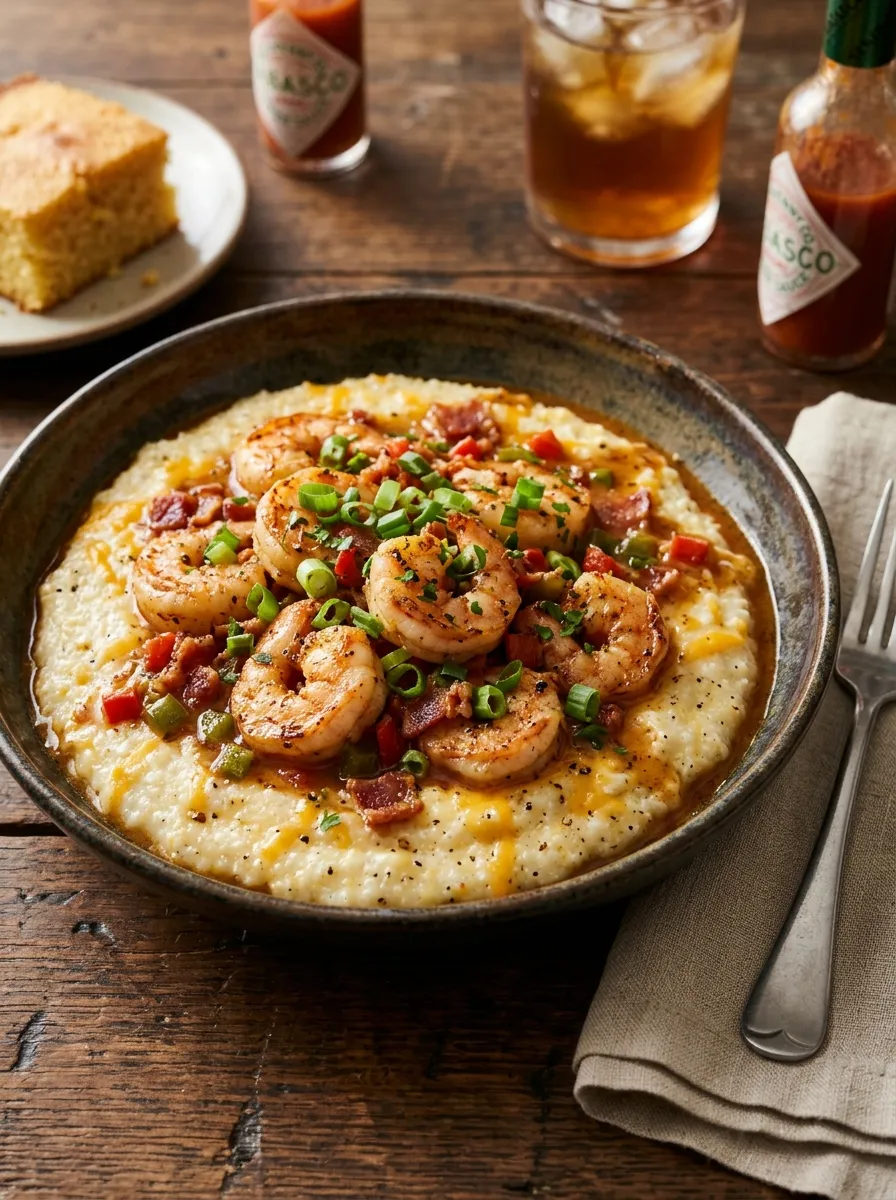
20. Try Shrimp and Grits
Shrimp and grits is a well-known Southern dish that combines shrimp with a base of creamy or savory grits. Recipes vary by restaurant, with different sauces, seasonings, and toppings.
It is a good introduction to the regional food culture, particularly for visitors who enjoy seafood.
Ask about ingredients and preparation if you have food allergies or dietary restrictions.
21. Enjoy Fresh Seafood at Bowens Island Restaurant
Bowens Island Restaurant is associated with coastal seafood and traditional Lowcountry dishes. Fried shrimp, hushpuppies, slaw, and Frogmore Stew are among the foods associated with the restaurant’s regional dining style.
The location also makes seafood dining part of a wider coastal experience.
Check opening hours and the current menu before traveling, as operating schedules and seasonal offerings can change.
22. Sample Southern Cooking at Bertha’s Kitchen
Bertha’s Kitchen is known for traditional Southern cooking, including dishes such as red rice, chicken necks, and okra soup.
The restaurant received a James Beard America’s Classics award in 2017, recognition associated with established restaurants that have distinctive regional character.
Visitors who want to experience local food traditions may find this style of cooking more informative than choosing only familiar national restaurant chains.
23. Dine at FIG
FIG is a Charleston restaurant known for seasonal cooking and regional ingredients.
A tomato dish featuring garlic confit and whipped goat cheese has been associated with its menu during the warmer months, typically from June through September or October, depending on availability.
Seasonal menus change, so ask the restaurant what is being served during your visit rather than assuming a particular dish is available year-round.
24. Try Fried Chicken and Oysters at Leon’s
Leon’s is associated with fried chicken, oysters, and a casual dining atmosphere. The restaurant opened in 2014.
It offers an option for visitors looking for a less formal meal while exploring Charleston’s wider restaurant scene.
Check the current menu and opening hours before planning your visit.
25. Experience Pakistani Cuisine at Ma’am Saab
Ma’am Saab provides a different culinary perspective through Pakistani cuisine. It is an option for travelers who want to explore Charleston’s international food offerings alongside its traditional Southern dishes.
A three-course tasting menu has been described in the restaurant information summarized for this guide. Confirm the current format, availability, and price directly before booking.
26. Enjoy Dessert at Peninsula Grill
Peninsula Grill is particularly associated with its Ultimate Coconut Cake, a 12-layer dessert that has become a recognizable part of the restaurant’s reputation.
It is a worthwhile consideration for visitors celebrating a special occasion or looking for a memorable dessert.
If you are visiting primarily for the cake, confirm current availability and whether advance ordering is recommended.
5. Explore Shopping, Markets, and Local Culture
Shopping in Charleston can be more than purchasing souvenirs. Local markets, galleries, boutiques, and seasonal events provide ways to experience the city’s creative and cultural identity.
Here you can read 4 best area for Shopping in Charleston
27. Shop Along King Street
King Street is a major shopping destination with a mixture of boutiques, antique stores, galleries, and well-known retail brands.
Visitors can browse clothing, home goods, decorative items, and locally distinctive products. The street is also associated with Second Sunday on King, a recurring event held on the second Sunday of the month when a section of the street is closed to regular vehicle traffic for shopping and dining.
Verify the current event schedule and street arrangements before visiting.
28. Visit the Charleston Farmers Market
The Charleston Farmers Market is a place to discover local produce, food vendors, handmade products, and regional crafts.
Saturday morning is a useful time to consider for a market visit, although schedules and vendor participation can change.
Arrive early if you want to browse before the busiest period. Bring a reusable bag if you plan to purchase produce or small handmade items.
29. Attend Spoleto Festival USA
Spoleto Festival USA is a major Charleston arts festival featuring performances and programming across disciplines such as music, opera, theater, and dance.
Its program typically extends over more than two weeks, offering visitors multiple opportunities to attend performances.
Because programming and dates vary by year, consult the current festival calendar before planning a trip around it. Book popular performances early when tickets are limited.
30. Enjoy a Charleston Harbor Sunset
A sunset near the harbor offers a relaxing way to finish a day of sightseeing. You can choose a waterfront walk, a suitable public viewing area, or a sunset boat cruise.
The actual sunset time varies throughout the year, so check the local forecast and sunset time for your travel date.
Bring a light layer if you expect to stay outdoors after the temperature drops.
6. Plan Day Trips and Nature Experiences Near Charleston
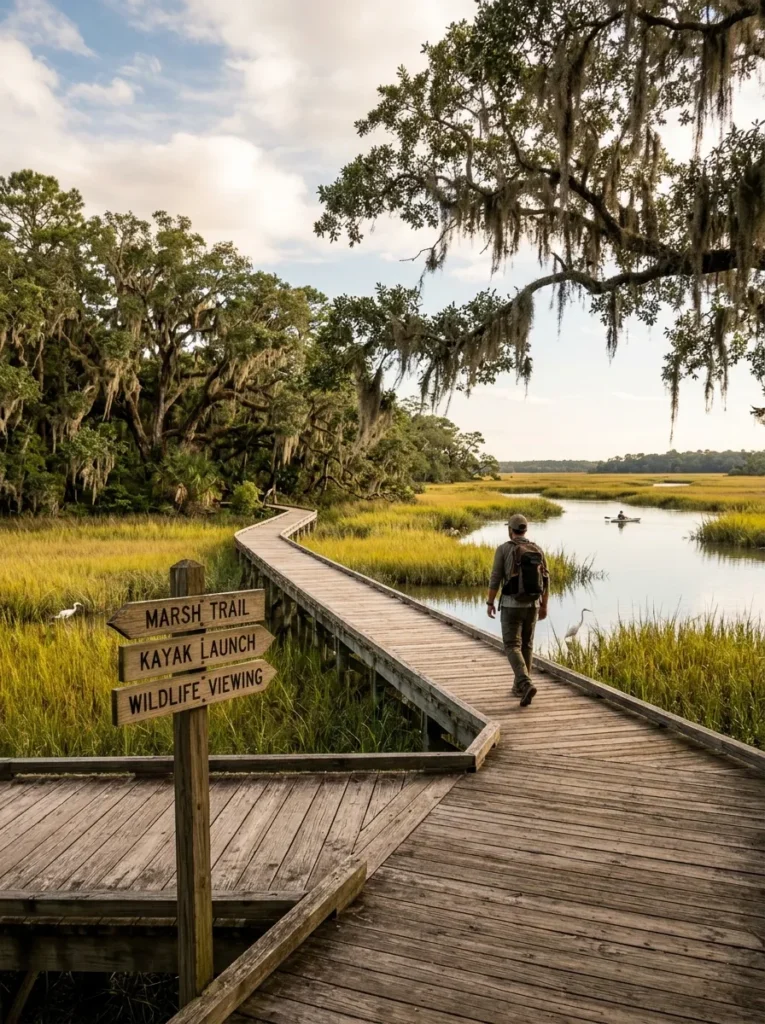
If you have extra time, the areas beyond downtown offer beaches, wildlife, historic landscapes, and outdoor activities. Choose a destination based on travel time, weather, and the kind of experience you want.
Here you can read 2 best places of Near Charleston
31. Explore Capers Island or Bulls Island
Capers Island and Bulls Island offer opportunities to experience the South Carolina coast beyond developed urban areas.
Depending on the location and access arrangements, visitors may encounter beaches, marshes, coastal vegetation, wildlife, and opportunities for nature photography.
Some excursions may require advance arrangements or a guided operator. Plan carefully because access, facilities, and transport options differ from those in downtown Charleston.
For a full outdoor excursion, consider setting aside most of a day rather than trying to combine the islands with a packed downtown itinerary.
32. Visit a Historic Plantation or Garden
Charleston’s surrounding region includes historic properties and landscaped grounds such as Boone Hall, Magnolia Plantation, Middleton Place, and Drayton Hall.
These destinations offer different perspectives on regional architecture, gardens, agricultural history, and the experiences of enslaved people.
Before visiting, research each property’s historical interpretation, admission arrangements, and available tours. Not every property offers the same activities or access to buildings and grounds.
For visitors with limited time, choose one property and explore it thoroughly rather than rushing through several sites in a single afternoon.
Quick Comparison: Which Charleston Activities Should You Choose?
The following table helps match activities to different interests and travel schedules. Time estimates are planning suggestions, not guaranteed tour durations.
| Activity | Best for | Suggested time |
|---|---|---|
| Rainbow Row and historic streets | Architecture and photography | 30–60 minutes |
| Battery and White Point Garden | Scenic walks and relaxation | 45–90 minutes |
| Charleston City Market | Shopping and souvenirs | 45–90 minutes |
| Arthur Ravenel Jr. Bridge | Walking, exercise, and views | 1–2 hours |
| Harbor cruise | Waterfront sightseeing | Allow 2–3 hours, including arrival and boarding |
| International African American Museum | History and culture | 2–3 hours |
| Historic house museum | Architecture and local history | 1–2 hours |
| Restaurant visit | Food and local cuisine | 1–2 hours |
| Farmers Market | Produce, crafts, and local food | 1–2 hours |
| Coastal island excursion | Nature and outdoor exploration | Most of a day |
| Plantation or garden visit | History and landscapes | 2–4 hours |
| Guided walking tour | Local stories and orientation | Check the operator’s itinerary |
Actual visit times depend on ticket availability, queues, walking speed, weather, and how thoroughly you explore each location.
How to Plan a Charleston Trip
The best itinerary depends on whether you have a single day, a weekend, or several days. Grouping nearby attractions helps reduce unnecessary travel and leaves more time to enjoy each stop.
One-day Charleston itinerary
If you only have one day, prioritize the historic district and waterfront.
| Time | Suggested activity |
|---|---|
| Morning | Walk Rainbow Row, Broad Street, and South of Broad |
| Late morning | Explore the Battery and White Point Garden |
| Lunch | Try shrimp and grits or another regional dish |
| Afternoon | Visit Charleston City Market or one historic museum |
| Late afternoon | Relax at Waterfront Park |
| Evening | Enjoy dinner and, if convenient, a waterfront sunset |
Planning note: Choose either a substantial museum visit or a longer boat excursion. Trying to fit both into a short day may leave you rushing.
Two-day Charleston itinerary
A 2-day visit allows you to combine historic sightseeing with food, museums, and waterfront activities.
| Day | Morning | Afternoon | Evening |
|---|---|---|---|
| Day 1 | Historic district and Rainbow Row | Battery, Waterfront Park, and City Market | Southern or seafood dinner |
| Day 2 | Museum or historic house | Harbor cruise or Mount Pleasant waterfront | Sunset walk or restaurant visit |
If you prefer outdoor activities, substitute a longer bridge walk or coastal visit for one of the indoor attractions.
Three-day Charleston itinerary
A 3-day stay gives you more flexibility and can include a nearby island or historic garden.
| Day | Main focus | Suggested experiences |
|---|---|---|
| Day 1 | Historic downtown | Rainbow Row, Broad Street, French Quarter, Battery |
| Day 2 | Culture and food | Museum, historic house, City Market, local dining |
| Day 3 | Coast and nature | Sullivan’s Island, Shem Creek, or a selected garden or island excursion |
You do not need to visit every attraction to have a satisfying trip. Select the places that match your interests and leave time for unplanned discoveries.
Best Time to Visit Charleston, SC
Charleston’s weather, outdoor comfort, and event calendar can influence your experience.
Spring
Spring is attractive for walking tours, gardens, and outdoor sightseeing. Arts events and seasonal activities can also make this a lively period to visit.
Book accommodation and event tickets in advance when your dates coincide with major festivals.
Summer
Summer is suitable for beach trips, boat excursions, and waterfront activities, but heat and humidity can make midday walking uncomfortable.
Plan outdoor sightseeing for the morning or later afternoon. Carry water and use sun protection.
Fall
Fall can be a good option for walking, food-focused trips, and exploring the wider Lowcountry. Conditions vary, and tropical weather can occasionally disrupt coastal plans.
Check weather advisories before boat trips or island excursions.
Winter
Winter can suit visitors who prefer a quieter sightseeing experience focused on architecture, restaurants, and museums. Some outdoor experiences may be less comfortable during cold or windy conditions.
Confirm seasonal opening hours before visiting attractions with limited operating schedules.
Practical Travel Tips for Charleston
A little preparation can make sightseeing easier and help avoid unnecessary expenses.
- Wear comfortable shoes. Historic streets and walking routes may include uneven surfaces.
- Check current opening hours. Museum schedules, restaurant hours, and tour departures can change.
- Reserve popular experiences. Harbor cruises, guided tours, and major performances may sell out.
- Allow time for parking. Downtown parking can require additional time and expense.
- Plan around the weather. Heat, rain, humidity, and coastal conditions can affect outdoor activities.
- Respect private property. Many historic homes remain privately occupied.
- Carry water. This is especially important during summer walking tours.
- Check accessibility. Historic buildings, boats, and outdoor paths may have steps or uneven surfaces.
- Keep historical context in mind. Charleston’s architecture and cultural attractions reflect both achievements and painful aspects of American history.
- Verify prices before booking. Admission, parking, restaurant menus, and tour fees may change.
Estimated Budget for Visiting Charleston
Your budget will depend on accommodation, transportation, dining choices, and the number of paid attractions you visit. The following table provides a planning framework without presenting unverified prices as current rates.
| Expense | Budget consideration | How to manage costs |
|---|---|---|
| Accommodation | Often a major trip expense | Compare locations and total fees |
| Meals | Depends on restaurant choice | Combine casual meals with selected restaurant visits |
| Transportation | Parking, rental cars, rides, or local transport | Group nearby attractions |
| Museums and historic sites | Some require admission | Prioritize the places most relevant to your interests |
| Boat tours | Prices depend on operator and trip type | Compare duration and inclusions |
| Shopping | Varies with personal spending | Set a souvenir budget |
| Day trips | May include transport and tour fees | Check all required costs in advance |
For an accurate total, calculate the cost of accommodation, meals, transport, and selected activities for your exact travel dates. Avoid relying on old prices from travel articles.
Frequently Asked Questions
1. What are the best things to do in Charleston, SC?
The best experiences include walking through the historic district, visiting Rainbow Row, exploring the Battery, browsing Charleston City Market, enjoying regional cuisine, visiting museums, and taking a harbor cruise.
2. How many days do you need in Charleston?
A 2–3 day trip is a useful starting point for most first-time visitors. One day can cover several downtown highlights, while three days provides more time for museums, dining, waterfront activities, and a nearby day trip.
3. Is Charleston worth visiting for one day?
Yes. A one-day visit can include the historic district, Rainbow Row, the Battery, Charleston City Market, and a meal featuring regional cuisine. Choose attractions close together to minimize travel time.
4. What is Charleston best known for?
Charleston is known for its historic architecture, colorful homes, Southern food, waterfront scenery, cultural attractions, and connections to important periods in American history.
5. Is Charleston a walkable city?
The central historic district is well suited to walking, and several major attractions are relatively close together. However, beaches, islands, and destinations outside downtown may require a car, a tour, or other transportation.
6. What food should you try in Charleston?
Consider shrimp and grits, fresh seafood, fried shrimp, hushpuppies, regional rice dishes, and traditional Southern cooking. Restaurant menus and seasonal ingredients vary throughout the year.
7. What can families do in Charleston?
Families can explore the waterfront, visit suitable museums, browse the City Market, take a boat cruise, and enjoy outdoor walks. Check age recommendations, accessibility, and tour durations before booking activities with children.
8. What are the best outdoor activities near Charleston?
Popular options include walking the Arthur Ravenel Jr. Bridge, visiting Sullivan’s Island, exploring Shem Creek, taking a harbor cruise, and arranging a coastal island excursion.
9. Can you visit Fort Sumter from downtown Charleston?
Yes. Fort Sumter is reached by boat, with departures depending on the operator and schedule. Check current ticket availability, departure locations, and operating conditions before visiting.
10. Is Charleston expensive to visit?
Costs depend on your accommodation, dining preferences, transportation, and paid activities. You can manage expenses by walking around downtown, selecting a few paid attractions, comparing lodging options, and planning meals in advance.
11. When is the best time to visit Charleston?
Spring and fall are useful periods to consider for outdoor sightseeing and walking tours. Summer offers beach and boating opportunities but can be hot and humid. Winter can work well for a quieter trip centered on museums, architecture, and dining.
12. What are the best day trips from Charleston?
Depending on your interests, consider Sullivan’s Island, Shem Creek, coastal island excursions, and historic properties such as Boone Hall, Magnolia Plantation, Middleton Place, or Drayton Hall. Confirm access, travel time, and admission requirements before departing.
Final Thoughts
Charleston offers a combination of history, architecture, food, waterfront scenery, and outdoor experiences that can appeal to many types of travelers. You can spend a weekend exploring the historic district or extend your stay to include coastal islands, museums, gardens, and nearby communities.
Start with the historic district, Rainbow Row, the Battery, and Charleston City Market if this is your first visit. Add a harbor cruise or museum based on your interests, and reserve a separate day for the coast if you have more time.
The most useful itinerary is not necessarily the one with the most stops. Choose a manageable number of attractions, verify current details before departure, and allow yourself time to enjoy Charleston at a comfortable pace.

Hi, I’m Marcus! I love exploring the outdoors and discovering incredible places. Through ExploreNatureTrips blog, I share my travel experiences, useful tips, and recommendations for the best sights, trails, and destinations to visit.