Japan Itinerary 10 Days: The Perfect First-Timer’s Guide

Why Spend 10 Days in Japan?
A 10-day Japan itinerary gives first-time visitors enough time to explore modern cities, historic temples, traditional neighborhoods, regional food, and beautiful natural landscapes. With a well-planned route, you can experience several different sides of Japan without changing hotels every night.
The best approach is to combine major destinations with a few carefully selected day trips. Tokyo offers energetic shopping districts and contemporary culture, Kyoto introduces traditional Japanese architecture and shrines, and Osaka is famous for its lively streets and local food. Nara, Hakone, and the countryside around Gifu provide additional opportunities to explore beyond the largest cities.
For most first-time travelers, the most practical route is Tokyo → Kyoto → Nara → Osaka → Tokyo. Travelers who prefer rural scenery and traditional experiences can replace some city sightseeing with a stay in Gifu Prefecture or a visit to Hakone.
This guide explains how to organize your 10 days, estimate travel times, choose attractions, and avoid common planning mistakes.
Photos:



Japan Itinerary at a Glance
| Travel day | Destination | Main experiences |
|---|---|---|
| Day 1 | Tokyo | Arrival, neighborhood walk, Japanese dinner |
| Day 2 | Tokyo | Asakusa, Sensō-ji Temple, Shibuya |
| Day 3 | Tokyo | Meiji Shrine, Harajuku, Shinjuku |
| Day 4 | Kyoto | Shinkansen journey, Gion, traditional streets |
| Day 5 | Kyoto | Fushimi Inari Shrine, Higashiyama |
| Day 6 | Kyoto | Arashiyama, bamboo forest, temples |
| Day 7 | Nara | Nara Park, Tōdai-ji Temple |
| Day 8 | Osaka | Osaka Castle, Dōtonbori, local food |
| Day 9 | Tokyo | Return journey, shopping, final sightseeing |
| Day 10 | Departure | Breakfast and airport transfer |
This itinerary uses Tokyo as the starting and finishing point. If your international flight arrives in Tokyo and departs from Osaka, you can avoid the return journey and use that extra time for sightseeing.
Planning tip: The itinerary assumes you arrive early enough on Day 1 to explore a little. If your flight lands late, move some activities to another day rather than trying to complete everything immediately.
Days 1–3: Explore Tokyo

Tokyo combines historic temples, peaceful gardens, contemporary architecture, shopping streets, and some of Japan’s most recognizable food experiences. Spend your first 3 days discovering different neighborhoods instead of crossing the entire city repeatedly.
Day 1: Arrival and an Easy Introduction
Your first day should be flexible. International travel, airport procedures, and the journey to your accommodation can take more energy than expected.
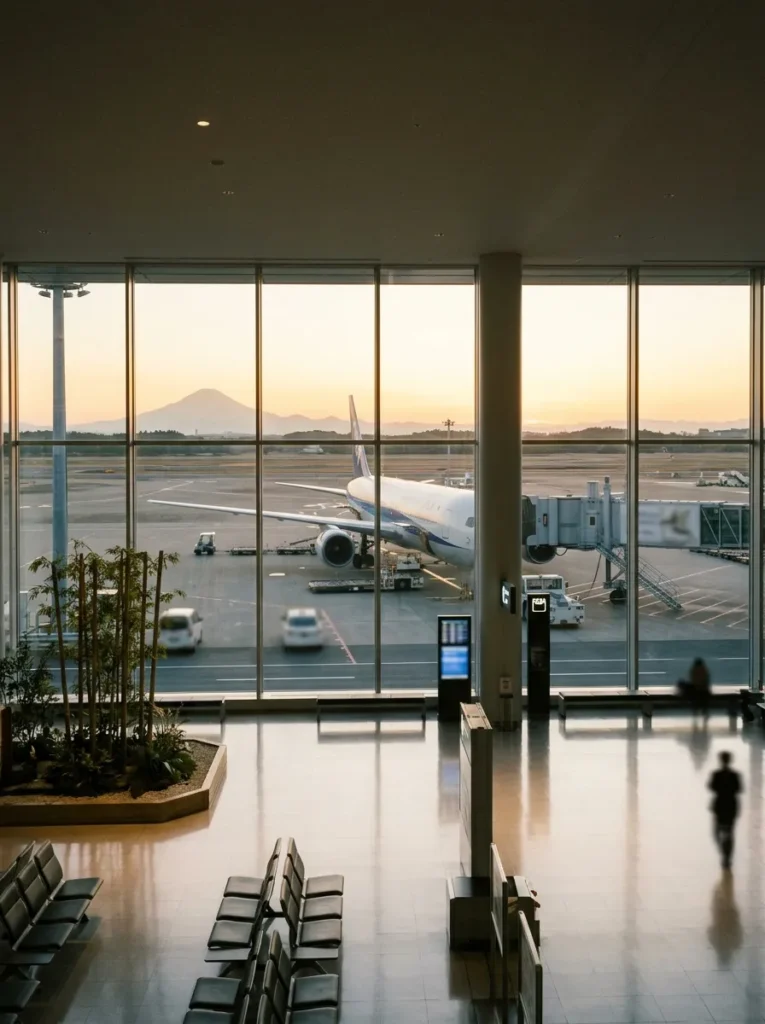
After arriving at Narita or Haneda Airport:
- Transfer to your hotel and leave your luggage.
- Explore the streets around your accommodation.
- Try a bowl of ramen, fresh sushi, or another Japanese meal.
- Take a short evening walk if you still have time and energy.
Avoid booking several fixed-time activities on arrival day. A relaxed start makes the rest of the itinerary easier to manage.
Day 2: Traditional Tokyo and Shibuya

Begin in Asakusa, one of the city’s best-known historic districts.
Visit Sensō-ji Temple, walk through the surrounding shopping streets, and explore Nakamise-dōri for traditional snacks and souvenirs. You can also take a stroll along the Sumida River.
Later, head towards Shibuya Crossing to experience the busy atmosphere of modern Tokyo. Nearby shopping streets and restaurants make this area suitable for an afternoon and evening visit.
Suggested activities:
- Explore Sensō-ji Temple and Asakusa.
- Browse Nakamise-dōri’s shops.
- Walk beside the Sumida River.
- Visit Shibuya Crossing.
- Enjoy dinner at a local restaurant.
Time-saving tip: Group Asakusa and Shibuya into separate parts of the day. Check your preferred transport connection before leaving, rather than returning repeatedly to the same neighborhood.
Day 3: Shrines, Gardens, and Nightlife

Start at Meiji Shrine, surrounded by a wooded setting that feels different from Tokyo’s busiest commercial areas.
Continue to Harajuku and Cat Street for shopping, cafés, and street fashion. Omotesando is another option if you prefer contemporary architecture and designer stores.
In the afternoon, choose Shinjuku Gyoen National Garden or another nearby attraction. Finish with an evening walk through Shinjuku’s restaurant alleys, including Golden Gai or Omoide Yokocho.
Your third day can include:
- Meiji Shrine
- Harajuku and Cat Street
- Omotesando
- Shinjuku Gyoen National Garden
- Golden Gai or Omoide Yokocho
Shibuya Sky can be added if you want an elevated view of the city. Reserve enough time for the experience and check ticket availability before visiting.
Day 4: Travel from Tokyo to Kyoto

Kyoto is known for its traditional streets, historic temples, shrines, gardens, and distinctive regional cuisine. The journey from Tokyo is an important part of your itinerary, so choose a train that fits your schedule.
Tokyo to Kyoto: Travel Options
| Transport | Approximate journey time | Indicative one-way cost |
|---|---|---|
| Nozomi Shinkansen | 2 hours 20 minutes | ¥13,970 |
| Hikari Shinkansen | 2 hours 40 minutes | ¥13,320 |
| Highway bus | 6–9 hours | ¥5,000–¥8,000 |
These are indicative figures from the travel information reviewed for this guide, not guaranteed current fares. Prices depend on the service, seat, booking conditions, and date. Confirm the current fare and timetable before purchasing tickets.
The Shinkansen is usually the more convenient choice when your holiday is limited to 10 days. A bus can cost less, but the longer journey uses a significant portion of your sightseeing time.
After arriving in Kyoto:
- Check into your accommodation.
- Explore Gion’s traditional streets.
- Enjoy a Japanese dinner.
- Rest before the next day’s sightseeing.
Kyoto specialties to consider include tofu, tempura, and seasonal Japanese dishes.
Day 5: Discover Kyoto’s Shrines and Historic Streets

Begin your morning at Fushimi Inari Taisha, famous for its long pathways of red torii gates. The shrine is a major attraction, so an early start can help you experience it before the busiest periods.
Afterward, explore Higashiyama, a historic district with traditional streets and views of old Kyoto.
Places to include:
- Fushimi Inari Taisha
- Kiyomizu-dera
- Higashiyama
- Gion
- Hōkan-ji’s Yasaka Pagoda
Kiyomizu-dera is particularly worthwhile for its elevated wooden terrace and surrounding historic neighborhood. Allow time to explore the streets rather than treating each location as a quick photo stop.
For dinner, consider a local restaurant serving seasonal dishes or a traditional Japanese meal. Kyoto is a good place to slow down and appreciate the details of Japanese food culture.
Visitor advice: Check individual temple opening hours, admission fees, and access arrangements before your visit. These details may change.
Day 6: Bamboo Forests and Scenic Kyoto
Spend your third Kyoto day exploring Arashiyama, an area known for its bamboo groves, riverside scenery, and temples.
Recommended places
Arashiyama Bamboo Grove: Walk among the tall bamboo and explore the surrounding paths.
Tenryu-ji Temple: Add a temple visit to your Arashiyama route.
Togetsukyō Bridge: Enjoy the riverside views and take a break in the surrounding area.
Monkey Park Iwatayama: Consider this attraction if you are comfortable with the uphill walk.
Pontocho Alley: Finish your day in central Kyoto with dinner or an evening stroll.
You do not need to visit every attraction. Select 3 or 4 that match your interests and allow enough time to travel between them.
If you enjoy a more active day, a Hozugawa River boat ride is another possible experience. The ride is approximately 2 hours, according to the itinerary information reviewed. Confirm seasonal operations and departure arrangements before planning your day around it.
Day 7: Take a Day Trip to Nara
Nara is a practical day trip from Kyoto or Osaka and offers a combination of historic religious sites, open parkland, and traditional Japanese scenery.
Travel to Nara by train and begin your visit at Nara Park. The park is famous for its free-roaming deer, which are one of the area’s most recognizable attractions.
What to see in Nara
- Nara Park: Walk through the park and observe the deer responsibly.
- Tōdai-ji Temple: Visit the historic temple and its large bronze Buddha.
- Kasuga-Taisha Shrine: Explore the shrine and its forested surroundings.
- Isui-en Garden: Consider this garden if you want a quieter break.
The Great Buddha at Tōdai-ji is approximately 15 metres tall, making it a memorable stop for visitors interested in Japanese history and architecture.
A half-day can cover a limited selection of attractions, but a full day gives you more time to walk between them and enjoy the surroundings.
Nara travel tips
- Wear comfortable shoes for walking.
- Follow local instructions when approaching the deer.
- Do not tease, chase, or feed wildlife with unsuitable food.
- Check the current admission fees for temples and gardens.
- Return to Kyoto or continue to Osaka according to your hotel plans.
If you want fewer hotel changes, you can also visit Nara from Osaka and spend the night there.
Day 8: Experience Osaka’s Food and City Life
Osaka offers a different atmosphere from Kyoto. Its lively commercial districts, street food, shopping areas, and evening entertainment make it an excellent stop for travelers who enjoy urban exploration.
Morning: Osaka Castle
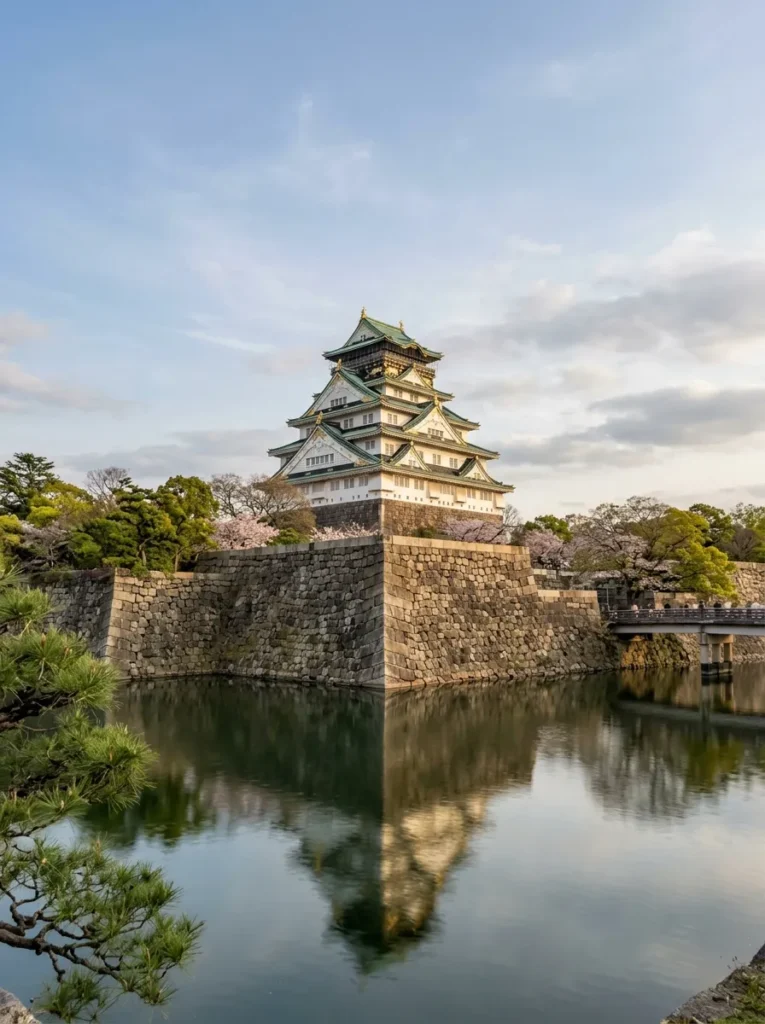
Start with Osaka Castle and its surrounding grounds. The castle is associated with Japan’s late-16th-century history and was reconstructed in its current form in 1931, according to the historical information reviewed.
Allow time to explore the grounds and check whether you want to enter the museum or castle interior.
Afternoon: Shinsekai and Tsutenkaku
Continue to Shinsekai, a neighborhood known for its distinctive atmosphere and food culture. Tsutenkaku Tower is a prominent landmark in the area.
The tower is approximately 103 metres high, making it an easy landmark to recognize while exploring the neighborhood.
Evening: Dōtonbori and Minami
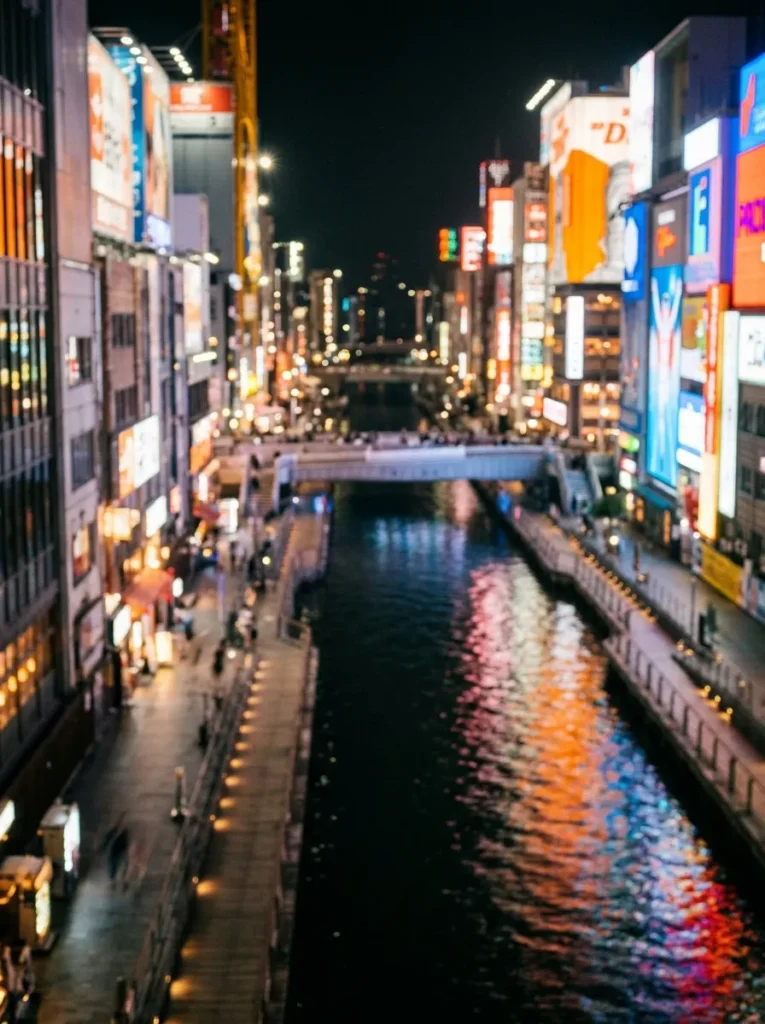
Finish in Dōtonbori, where illuminated signs, restaurants, and busy streets create one of Osaka’s most recognizable urban scenes.
Try local specialties such as:
- Takoyaki: Batter-based balls traditionally filled with octopus.
- Okonomiyaki: A savory Japanese pancake.
- Kushikatsu: Skewered and fried ingredients.
Shinsaibashi and Amerikamura are nearby options for shopping and exploring more of the city.
Practical tip: Keep Osaka’s main attractions within a manageable geographic area for the day. Trying to visit every shopping district and landmark can leave little time to enjoy the food.
Day 9: Return to Tokyo or Choose a Day Trip
Your ninth day depends on your departure airport and how much flexibility you want.
Option 1: Return to Tokyo
Travel back to Tokyo and use the remaining time for shopping, neighborhood exploration, or a relaxed final dinner.
You might revisit a favorite district or explore Ueno Park, Yanaka, Nezu Shrine, and Yanaka Ginza if you prefer a quieter side of the city.
Option 2: Visit Himeji
If your route and accommodation allow it, Himeji is known for Himeji Castle and Kokoen Garden. The castle is an important historic landmark with a main tower containing 5 stories.
However, a Himeji excursion should be planned carefully because it adds another journey. It is more practical when you are already staying in Osaka or Kyoto and can adjust your other sightseeing accordingly.
Option 3: Spend more time in Hakone
Travelers who prefer scenery over additional shopping may consider Hakone, known for its natural surroundings and views of the Mount Fuji area.
Hakone is also an alternative to spending all your final days in major cities. Depending on your flight arrangements, it may be more convenient to include it earlier in the trip instead of returning to Tokyo at the last minute.
Important: Do not schedule a long excursion on Day 9 if you have an early international flight on Day 10. Keep your final night near a convenient transport connection.
Day 10: Departure from Japan
Keep your final day simple and allow enough time to reach the airport.
Before leaving your accommodation:
- Confirm your flight terminal and departure time.
- Check the airport transfer route.
- Leave time for luggage collection and checkout.
- Keep your passport and travel documents accessible.
- Avoid booking activities that depend on precise timing.
If your flight leaves late in the day, you may have time for breakfast or a short walk near your hotel. Otherwise, prioritize a smooth airport transfer over squeezing in another attraction.
Alternative 10-Day Itinerary for Nature and Countryside
Not every traveler wants to spend most of the trip in major cities. If you prefer hiking, traditional accommodation, and local cultural experiences, consider this alternative route.
| Day | Destination | Main experience |
|---|---|---|
| Days 1–2 | Tokyo | Traditional neighborhoods, gardens, food |
| Days 3–4 | Nara | Temples, deer, forest walks |
| Days 5–7 | Kyushu | Volcanic landscapes, hiking, regional culture |
| Day 8 | Hiroshima | History and cultural sightseeing |
| Days 9–10 | Hakone | Scenic landscapes, relaxation, countryside |
This route offers a different balance of experiences, but it requires more careful transport planning. Kyushu is a large island, so choose a specific base rather than trying to cover the entire region in 3 days.
For travelers particularly interested in traditional villages, Takayama and Hida Furukawa in Gifu Prefecture are other options. These destinations offer old streets, local food, craft traditions, and countryside experiences.
A rural itinerary can include:
- Miyagawa Morning Market in Takayama.
- Sanmachi Suji’s historic streets.
- Hida Folk Village, where traditional thatched-roof buildings are displayed.
- Hida Furukawa’s canals and historic temples.
- Soba-making, local food tastings, or a traditional inn stay.
This alternative works best when you are willing to reduce the time spent in Tokyo, Kyoto, or Osaka.
How Much Does a 10-Day Japan Trip Cost?
Your total budget depends on your accommodation, travel season, transport choices, restaurant preferences, and number of paid attractions.
The transport figures below are reference amounts from the travel information reviewed. They are not a complete trip budget.
| Expense | Indicative cost or range |
|---|---|
| Tokyo–Kyoto Shinkansen | ¥13,320–¥13,970 one way |
| Tokyo–Kyoto highway bus | ¥5,000–¥8,000 one way |
| Kyoto–Osaka JR Special Rapid Service | ¥560 one way |
| Tokyo–Kamakura train | ¥950–¥1,040 one way |
| Nikko rail journey | Approximately ¥1,400 each way |
| Hamarikyu Gardens admission | ¥300 |
| Kiyomizu-dera admission | ¥500 |
| Hida Folk Village admission | ¥700 per adult |
These amounts may be outdated and should be confirmed with the relevant transport operators and attractions before booking. They exclude international flights, accommodation, most meals, local transport, and personal spending.
Budgeting tips for first-time visitors
1. Prioritize your long-distance journeys. The Shinkansen saves time, while a highway bus may reduce transport costs.
2. Avoid unnecessary hotel changes. Staying in Tokyo, Kyoto, and Osaka as bases can simplify luggage handling and daily planning.
3. Choose paid attractions selectively. Many memorable experiences involve walking through neighborhoods, parks, and public areas, although some temples and gardens charge admission.
4. Set a daily food budget. Mix casual restaurants and local specialties with occasional more expensive meals.
5. Reserve a contingency amount. Leave room for unexpected transport changes, additional tickets, and personal purchases.
Best Time to Visit Japan for 10 Days
Japan can be visited throughout the year, but the best travel period depends on the experiences you want.
| Season or period | Why consider it | Planning consideration |
|---|---|---|
| Late March–early April | Cherry blossoms and spring scenery | Popular locations may be crowded |
| April–May | Spring gardens and seasonal flowers | Book popular accommodation early |
| Summer | Festivals and seasonal outdoor activities | Plan around weather and regional conditions |
| Autumn | Autumn foliage and scenic landscapes | Check local foliage timing |
| Winter | A different atmosphere in cities and mountain regions | Prepare for colder conditions |
The exact timing of cherry blossoms and autumn foliage varies by year and region. Do not assume every city will have peak seasonal scenery on the same dates.
If seasonal scenery is your priority, research conditions for your specific destinations before finalizing the route.
Practical Travel Tips for Japan
Plan your route before booking accommodation
A logical route reduces unnecessary backtracking. If you arrive and depart from Tokyo, a Tokyo–Kyoto–Osaka circuit is straightforward. If your flight allows arrival in Tokyo and departure from Osaka, consider a one-way route to save return travel time.
Use the right train for each journey
The Shinkansen is useful for long-distance travel, while local and regional trains are often more practical for city trips and nearby destinations.
Check the departure station, arrival station, journey duration, and total fare before booking. A service with a lower ticket price may take considerably longer.
Group attractions by neighborhood
Plan Tokyo’s Asakusa attractions together, combine Harajuku and Shibuya where practical, and explore Kyoto’s Higashiyama area in one outing. This reduces unnecessary journeys and creates more time for sightseeing.
Respect cultural and natural sites
Follow posted rules at shrines and temples. Be considerate when photographing people, avoid blocking narrow streets, and follow local wildlife guidance in places such as Nara Park.
Check current prices and opening hours
Attraction fees, transport timetables, and seasonal operations can change. Verify information through official attraction or transport websites before making a fixed schedule.
Keep the itinerary flexible
A 10-day holiday should not become a checklist that leaves no room for discovery. Allow time for meals, rest, shopping, and unexpected finds.
FAQ
Is 10 days enough to visit Japan?
Yes. Ten days is enough for a first visit focused on Tokyo, Kyoto, Osaka, and a day trip to Nara. It is not enough to explore every major region, so choose a focused route.
What is the best 10-day Japan itinerary for first-time visitors?
A practical route is Tokyo for 3 days, Kyoto for 3 days, Nara for 1 day, Osaka for 1 day, and Tokyo for the final 2 days, including the return journey and departure. Adjust the schedule to match your flights.
How many days should I spend in Tokyo?
Three days provides a useful introduction to Tokyo’s traditional districts, major shopping areas, shrines, and gardens. Four days is better if you want a day trip to Nikko or Kamakura.
How long does the Shinkansen take from Tokyo to Kyoto?
The journey takes approximately 2 hours 20 minutes on the Nozomi and 2 hours 40 minutes on the Hikari, based on the reference timetable information used in this guide. Check current services before departure.
Is Kyoto or Osaka better for accommodation?
Kyoto is a convenient base for traditional temples, shrines, and historic streets. Osaka is well suited to travelers who prefer nightlife, shopping, and food-focused experiences. Your choice should depend on your preferred activities and transport connections.
Can I visit Nara from Kyoto or Osaka?
Yes. Nara can be visited from either city by train. It is a practical day trip for seeing Nara Park, Tōdai-ji Temple, and Kasuga-Taisha Shrine.
Is a 7-day Japan Rail Pass worth it for a 10-day trip?
It depends on your route and the trains you plan to use. Compare the pass price with the individual fares for your planned journeys. A pass is not automatically cheaper, and eligibility and service coverage should be checked before purchase.
Can I visit Tokyo, Kyoto, Osaka, and Hakone in 10 days?
Yes, but you will need to reduce the time spent in some cities or omit other destinations. Hakone adds another transfer, so plan the route around your arrival and departure airports.
What is a realistic budget for 10 days in Japan?
There is no single budget that suits every traveler. Accommodation, international flights, dining, local transport, and long-distance journeys create most of the variation. Build your budget using current prices and add a contingency for unexpected costs.
Should I book Japan accommodation in advance?
Booking in advance is sensible for popular travel periods and sought-after traditional inns. Confirm the cancellation policy, location, and proximity to public transport before paying.
Final Thoughts
A successful 10-day Japan itinerary balances famous attractions with enough time to enjoy each destination. Tokyo introduces the country’s modern energy, Kyoto offers traditional architecture and historic culture, Nara provides a memorable day among temples and deer, and Osaka adds food, shopping, and lively streets.
Travelers who prefer nature can substitute a portion of the city itinerary with Hakone or a countryside stay in Gifu Prefecture. The most important decision is not how many places you can fit into 10 days, but which experiences matter most to you.
Plan your route around your flights, verify current transport fares and opening hours, and group nearby attractions together. With these preparations, your first trip to Japan can be more comfortable, efficient, and rewarding.

Hi, I’m Marcus! I love exploring the outdoors and discovering incredible places. Through ExploreNatureTrips blog, I share my travel experiences, useful tips, and recommendations for the best sights, trails, and destinations to visit.