
Utah National Parks Road Trip: Epic 5-Day Mighty 5 Itinerary

Utah is home to some of America’s most breathtaking landscapes, from towering red cliffs and sandstone arches to colorful canyons and desert viewpoints. A Utah national parks road trip is one of the best ways to experience these natural wonders in a single adventure.
The famous Mighty 5 includes Zion, Bryce Canyon, Capitol Reef, Arches, and Canyonlands National Parks. Each offers a different landscape, hiking experience, and scenic drive.
Can you explore all five parks in just 5 days? Yes, but it requires an early start, careful route planning, and realistic expectations.
This guide provides a practical five-day itinerary, important driving times, hiking distances, entrance fees, accommodation suggestions, and travel tips to help you make the most of your journey.
5-Day Utah National Parks Road Trip Best Guide
Day 1: Explore Zion National Park
Zion National Park is an exciting place to begin your journey. Its towering sandstone cliffs, winding river, and beautiful canyon trails make it one of Utah’s most memorable destinations.
The park is known for dramatic scenery and a range of hiking opportunities, from relatively easy walks to demanding adventures.
Best Things to Do in Zion
Canyon Overlook Trail
This approximately 1-mile round-trip hike rewards visitors with beautiful views of the surrounding canyon landscape.
It is an excellent option for travelers who want a memorable viewpoint without committing to a long hike.
Emerald Pools
Emerald Pools offers scenic trails, sandstone formations, and opportunities to explore Zion’s natural beauty.
Trail conditions and access may vary, so check current park information before choosing your route.
Angels Landing
Angels Landing is one of Zion’s most famous hikes. It features steep terrain, exposed sections, and spectacular views.
A permit is required for the chains section. This hike is not ideal for visitors uncomfortable with heights or those following a tightly packed itinerary.
The Narrows
The Narrows takes hikers through a spectacular canyon carved by the Virgin River.
Water levels and weather conditions are important considerations. Travelers should check safety information before attempting this experience.
Practical Tips for Zion
- Start early in the morning to reduce time spent in crowds.
- Use the Zion Canyon Shuttle when it is operating and required for canyon access.
- Carry sufficient water, particularly during warmer months.
- Choose one main hike rather than attempting every famous trail.
- Consider staying in Springdale for convenient access to the park.
If you have only one day, prioritize Canyon Overlook, Emerald Pools, and scenic viewpoints. Longer hikes may require replacing other activities.
Day 2: Discover Bryce Canyon National Park

After exploring Zion, continue to Bryce Canyon National Park.
The drive from Zion to Bryce Canyon takes approximately 1.5–2 hours, depending on your starting point, route, and traffic.
Bryce Canyon is famous for its distinctive hoodoos, colorful rock formations, and spectacular viewpoints.
Its high elevation, exceeding 8,000 feet in some areas, creates a different environment from the warmer desert landscapes of southern Utah.
Top Attractions in Bryce Canyon
Sunrise Point
Sunrise Point offers sweeping views of colorful hoodoos and the surrounding amphitheater.
Visiting early provides beautiful lighting for photography.
Sunset Point
This viewpoint is another excellent location for observing Bryce Canyon’s unusual geological formations.
Despite its name, it can be enjoyed throughout the day.
Navajo Loop Trail
Navajo Loop is a popular hiking option for visitors who want to descend among the hoodoos rather than simply admire them from above.
Queen’s Garden Trail
Queen’s Garden provides another opportunity to experience the canyon’s rock formations up close.
Additional Scenic Stops
If time allows, consider visiting:
- Bryce Point
- Red Canyon
- Mossy Cave Trail
These attractions add variety without requiring an entirely separate travel day.
Where to Stay Near Bryce Canyon
Accommodation near the park can reduce driving time and make sunrise visits easier.
Best Western Plus Ruby’s Inn is one lodging option mentioned along this route.
Booking accommodation in advance is particularly useful during popular travel periods.
Day 3: Drive Scenic Byway 12 to Capitol Reef

Day 3 combines one of Utah’s memorable scenic drives with a visit to Capitol Reef National Park.
The journey from Bryce Canyon to Capitol Reef takes approximately 2 hours by a direct route, although sightseeing stops will extend the trip.
Experience Scenic Byway 12
Scenic Byway 12 connects remarkable landscapes, including areas around Grand Staircase-Escalante.
The road provides views of sandstone formations, canyons, and changing desert scenery.
Rather than treating the drive as transportation alone, allow time to stop at scenic overlooks.
Best Things to Do in Capitol Reef
Fruita Historic District
Fruita offers a combination of natural scenery and historic attractions.
Visitors can explore the area’s orchards and historic surroundings.
Hickman Bridge Trail
The Hickman Bridge hike is approximately 2 miles round trip.
It leads to a natural sandstone bridge and provides an excellent opportunity to experience the park on foot.
Capitol Reef Scenic Drive
This scenic route showcases the park’s rock formations and desert landscapes.
It is a good choice for travelers who want memorable views without completing several hikes.
Petroglyph Panel
The park’s petroglyphs provide an opportunity to observe evidence of earlier human activity in the region.
Understanding the Waterpocket Fold
One of Capitol Reef’s defining geological features is the Waterpocket Fold, which extends approximately 100 miles.
This massive formation contributes to the park’s unusual landscape and geological significance.
Where to Stay
Torrey is a convenient accommodation base for visitors exploring Capitol Reef.
Staying nearby allows you to enjoy the park without adding unnecessary travel after a long sightseeing day.
Day 4: Explore Arches National Park
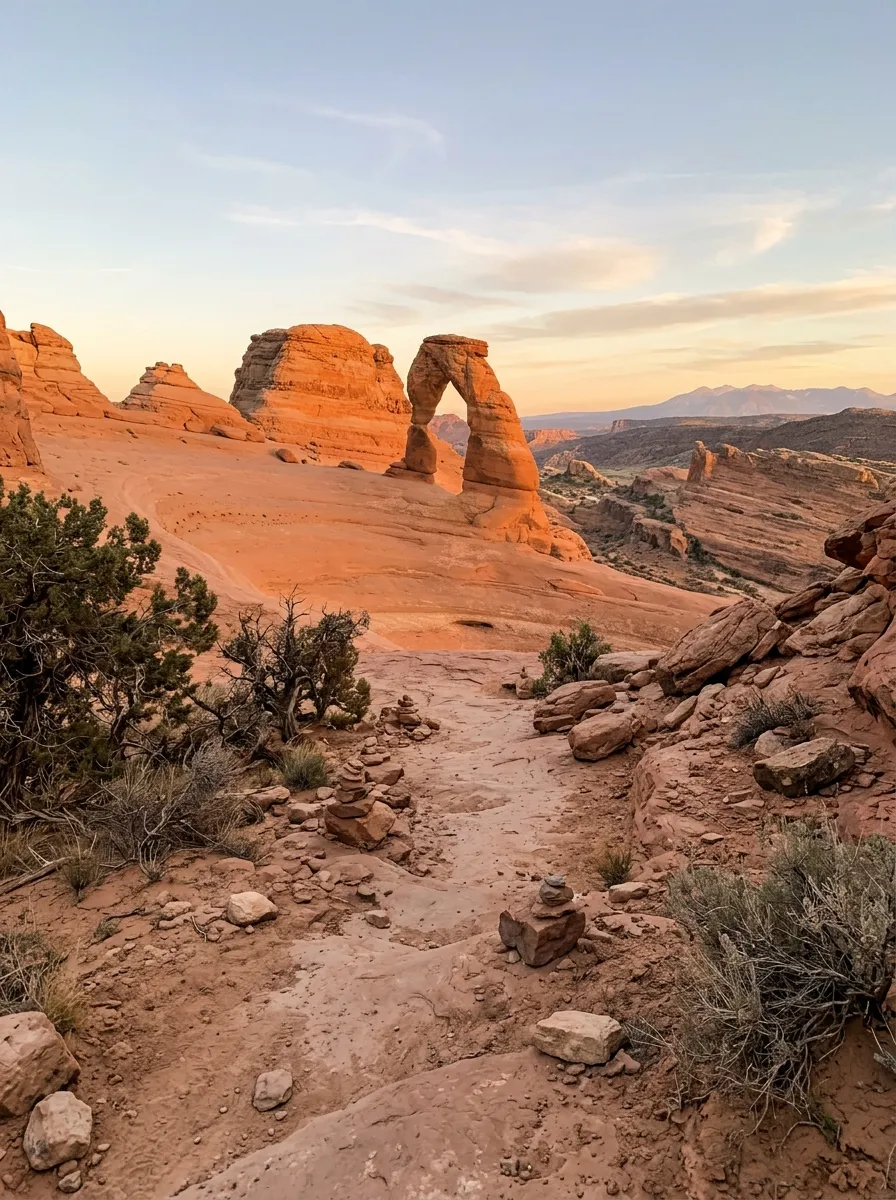
Day 4 takes you toward Moab and Arches National Park.
Arches is famous for its remarkable sandstone formations and contains more than 2,000 natural stone arches.
The park offers an impressive combination of short scenic stops, hiking trails, and photography opportunities.
Must-See Attractions in Arches
Delicate Arch
Delicate Arch is one of Utah’s most recognizable natural landmarks.
The hike is approximately 3 miles round trip and requires preparation for exposed desert conditions.
Starting early can help you avoid the hottest part of the day.
Balanced Rock
Balanced Rock is a striking geological formation and a convenient stop during a scenic drive through the park.
Double Arch
Double Arch is another remarkable formation worth including in a short itinerary.
The Windows Section
The Windows Section features several impressive arches and opportunities for scenic photography.
Park Avenue
Park Avenue showcases towering sandstone walls and provides an excellent introduction to the park’s dramatic landscapes.
Practical Tips for Visiting Arches
- Begin sightseeing early to manage heat and crowds.
- Carry drinking water and sun protection.
- Prioritize Delicate Arch if it is your main hiking goal.
- Combine shorter scenic stops with one longer hike.
- Check current entrance procedures before traveling.
Where to Stay Near Arches
Moab is a practical base for exploring Arches and Canyonlands.
Staying in Moab allows you to visit both parks without changing hotels between Days 4 and 5.
Day 5: Experience Canyonlands National Park
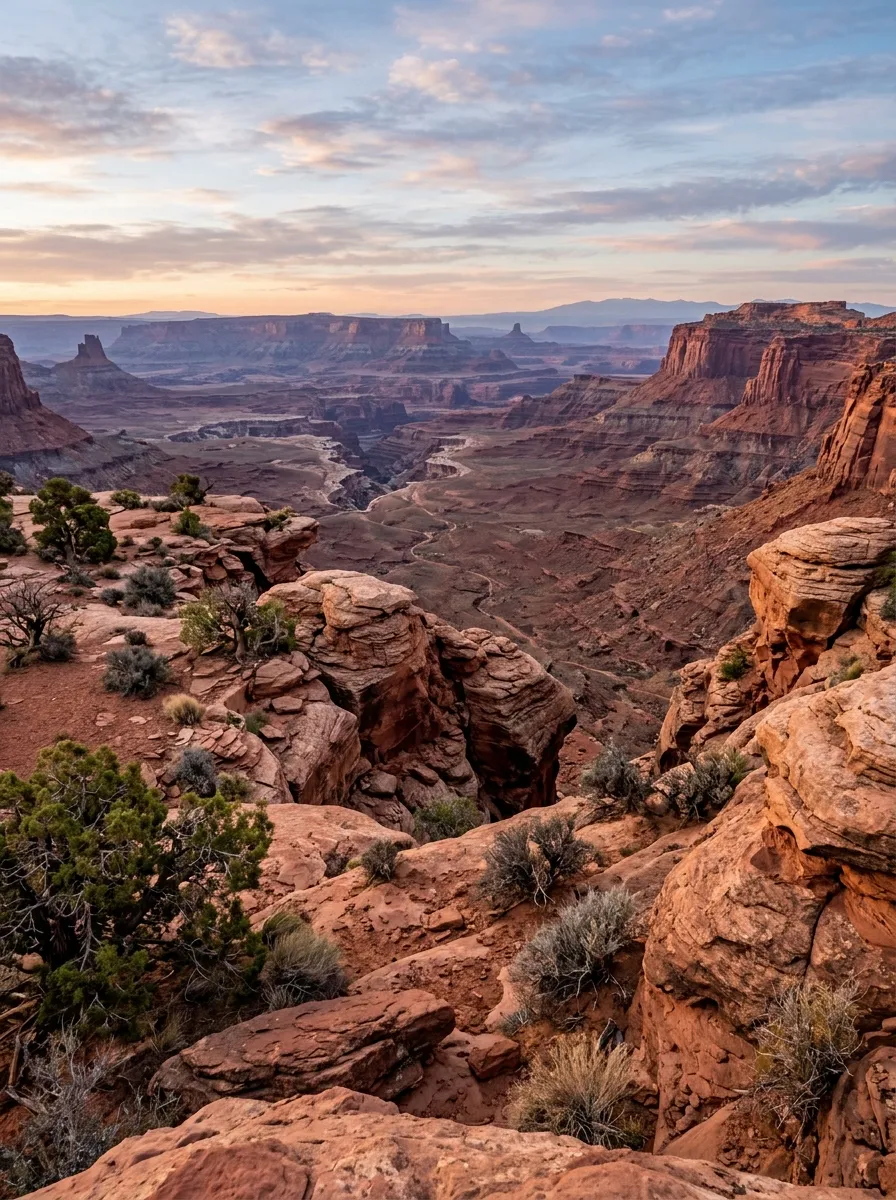
Your final day focuses on Canyonlands National Park.
From Moab, the drive toward Canyonlands’ Island in the Sky district takes approximately 30–45 minutes, depending on your destination.
Canyonlands features enormous canyons, dramatic viewpoints, and landscapes associated with the Colorado and Green Rivers.
For a short visit, Island in the Sky is a practical district to explore.
Best Places to Visit in Canyonlands
Mesa Arch
Mesa Arch is especially popular for sunrise photography.
The arch frames a spectacular canyon landscape, making it one of the park’s most recognizable viewpoints.
Arrive early if sunrise photography is a priority.
Grand View Point
Grand View Point offers panoramic views across the surrounding canyon landscape.
It is an excellent stop for travelers interested in photography and sightseeing.
Green River Overlook
This viewpoint provides expansive views of the terrain shaped by the Green River.
Murphy Point
Murphy Point is another option for visitors who have additional time and want to explore more of the park.
Is Half a Day Enough for Canyonlands?
A half-day visit can work if you focus on Island in the Sky and a few major viewpoints.
However, it will not allow you to explore every district or complete multiple long hikes.
For a five-day itinerary, prioritizing Mesa Arch, Grand View Point, and Green River Overlook is a reasonable approach.
After your visit, return to Moab or continue toward your departure destination.
Important: The drive back to Las Vegas or Salt Lake City is additional travel. If you need to return to your starting airport, allow enough time or consider an extra day.
Utah National Parks Road Trip: Driving Times and Distances
Understanding the driving requirements is essential for building a realistic itinerary.
| Route | Approximate Driving Time |
|---|---|
| Las Vegas to Arches | 5 hours |
| Salt Lake City to Arches | 3.5 hours |
| Zion to Bryce Canyon | 1.5–2 hours |
| Bryce Canyon to Capitol Reef | 2 hours |
| Arches to Canyonlands | 30–45 minutes |
| Canyonlands to Capitol Reef | 2.5 hours |
| Bryce Canyon to Zion | 1.5 hours |
| Zion to Las Vegas | 3 hours |
| Zion to Salt Lake City | 4.5 hours |
These are approximate figures from the travel itineraries discussed above. Actual times depend on route direction, road conditions, traffic, and stops.
How Much Driving Should You Expect?
A seven-day Mighty 5 route described in the source material covers approximately 1,100 miles, with around 19 hours of driving.
This is a useful planning reference, but it is not an exact total for the five-day route above.
A shorter itinerary does not necessarily mean significantly less driving. It often means spending less time at each destination.
Best Time to Visit Utah’s Mighty 5
Choosing the right season can make your road trip more enjoyable.
Spring and fall are particularly appealing because temperatures are generally more comfortable for outdoor activities.
| Season | Months | Travel Conditions |
|---|---|---|
| Spring | April–May | Pleasant hiking conditions and cooler nights |
| Summer | June–August | Hot weather, busy parks, and longer daylight hours |
| Fall | September–October | Comfortable hiking weather and scenic landscapes |
| Winter | November–March | Cold temperatures, possible snow, and road restrictions |
Spring: April and May
Spring offers relatively comfortable daytime conditions for exploring hiking trails and scenic viewpoints.
Cooler evenings mean visitors should still pack warm clothing.
Summer: June to August
Summer temperatures in parts of Utah can reach 100°F.
Plan outdoor activities early in the morning, carry plenty of water, and avoid unnecessary exposure during extreme heat.
Fall: September and October
Fall is another excellent period for hiking and sightseeing.
Cooler temperatures make longer outdoor activities more comfortable.
Winter: November to March
Winter offers a different perspective on Utah’s landscapes.
However, snow, freezing temperatures, and road closures can affect travel plans, particularly at higher elevations.
Where to Stay During Your Utah Road Trip
Choosing accommodation near the national parks can reduce travel fatigue.
| Location | Best For |
|---|---|
| Springdale | Zion National Park |
| Bryce Canyon area | Bryce Canyon sunrise and sunset visits |
| Torrey | Capitol Reef National Park |
| Moab | Arches and Canyonlands |
| Cedar City | Overnight stop on a longer return route |
| Page, Arizona | Optional Northern Arizona extension |
Accommodation Planning Tips
For a five-day road trip, consider staying near each day’s destination rather than driving long distances after sunset.
Moab is particularly convenient because it provides access to both Arches and Canyonlands.
If your itinerary involves frequent hotel changes, pack lightly and keep essential hiking supplies easily accessible.
Optional Stops to Extend Your Road Trip
If you have additional days, several attractions mentioned in the source itineraries can add variety.
| Attraction | Main Experience |
|---|---|
| Goblin Valley State Park | Unusual rock formations |
| Little Wild Horse Canyon | Slot canyon scenery |
| Grand Staircase-Escalante | Scenic landscapes and drives |
| Calf Creek Falls | Waterfall hike |
| Kodachrome Basin | Sandstone formations |
| Horseshoe Bend | Colorado River overlook |
| Lower Antelope Canyon | Guided canyon tour |
| Lake Powell | Boating and scenic water views |
| Rainbow Bridge | Natural rock formation |
| Valley of Fire State Park | Desert scenery and rock formations |
Calf Creek Falls
The Calf Creek Falls hike is approximately 6 miles round trip.
It is better suited to an extended itinerary because it requires additional hiking time.
Horseshoe Bend and Antelope Canyon
These attractions are located near Page, Arizona.
A separate five-day Utah and Northern Arizona journey included both destinations, along with Zion, Bryce Canyon, Arches, and Canyonlands.
However, adding them to a complete Mighty 5 itinerary would require additional driving and sightseeing time.
Goblin Valley and Little Wild Horse Canyon
These attractions can be considered when traveling between Capitol Reef and Moab.
They provide additional opportunities to explore unusual desert landscapes.
5 Days vs. 7 Days vs. 10 Days: Which Itinerary Is Better?
Not every traveler has the same interests or available time.
| Trip Duration | Best For | Main Limitation |
|---|---|---|
| 5 days | Seeing all five parks quickly | Limited hiking and frequent driving |
| 7 days | Balanced sightseeing and hiking | Still requires careful planning |
| 10 days | More relaxed exploration | Requires more vacation time |
5-Day Utah Road Trip
A five-day itinerary is best for travelers who want to experience the highlights of all five national parks.
Expect early departures, frequent hotel changes, and limited time for longer hikes.
7-Day Utah Road Trip
Seven days provides additional flexibility.
You can spend more time in Zion and Arches, explore Capitol Reef at a slower pace, and include additional viewpoints.
10-Day Utah Road Trip
Ten days is a stronger choice for travelers who enjoy hiking, photography, and scenic detours.
A longer itinerary can include destinations such as Goblin Valley, Grand Staircase-Escalante, and additional trails within the national parks.
Best planning advice: Choose your itinerary based on the experiences you want rather than simply the number of parks you can visit.
Essential Travel Tips for Utah’s Mighty 5
A successful road trip requires more than choosing destinations.

Start Early
Early mornings are useful for avoiding heat, finding parking, and enjoying popular viewpoints.
Mesa Arch and Bryce Canyon are particularly appealing for sunrise photography.
Keep Your Fuel Tank Filled
Some scenic routes pass through remote areas with limited services.
One documented road trip involved a fuel concern when the vehicle estimated only 35 miles of remaining range.
The practical lesson is simple: refuel before entering remote stretches.
Plan Around the Weather
Desert conditions can change quickly.
Carry sufficient water, wear suitable hiking shoes, and check weather forecasts before attempting demanding trails.
Avoid Overloading Your Schedule
Visiting five parks in five days already involves substantial travel.
Trying to complete several long hikes each day may make the journey exhausting.
Choose a few meaningful experiences in each park.
Use a Suitable Vehicle
A standard passenger car can be sufficient for the main paved-road itinerary.
One documented Mighty 5 trip was completed in a Toyota Prius, showing that a four-wheel-drive vehicle is not automatically necessary for typical park visits.
Road and weather conditions should still be checked before departure.
Prepare for Limited Connectivity
Keep essential travel information available offline, including accommodation details, directions, and important reservation information.
Common Mistakes to Avoid on a Utah Road Trip
1. Underestimating driving time
A journey that looks short on a map may take longer when scenic stops and park access are included.
2. Planning too many hikes
A five-day itinerary works best when you select the most important attractions rather than trying to complete every famous trail.
3. Ignoring permit requirements
Popular activities such as Angels Landing require advance planning.
4. Visiting during extreme heat without preparation
Summer temperatures can reach 100°F, making strenuous hikes more difficult.
5. Forgetting the return journey
Reaching Canyonlands on Day 5 does not automatically mean you will also have time to return to Las Vegas or Salt Lake City that evening.
6. Changing accommodation unnecessarily
Staying in Moab for both Arches and Canyonlands can make the final part of your trip more convenient.
FAQ
1. Can you visit all 5 Utah national parks in 5 days?
Yes. You can visit Zion, Bryce Canyon, Capitol Reef, Arches, and Canyonlands in five days. However, you will need to focus on major viewpoints, shorter hikes, and efficient travel planning.
2. How many days do you need for Utah’s Mighty 5?
A minimum of 5 days can work for a highlights-focused trip. 7 days offers a better balance between driving and sightseeing, while 10 days provides more time for hiking and additional attractions.
3. What is the best order to visit Utah’s national parks?
One practical route is Zion → Bryce Canyon → Capitol Reef → Arches → Canyonlands. Travelers starting near Salt Lake City may prefer reversing the order.
4. What is the best month for a Utah national parks road trip?
April, May, September, and October are favorable months because temperatures are generally more comfortable for hiking and sightseeing.
5. How long is the Utah Mighty 5 road trip?
One seven-day itinerary covers approximately 1,100 miles and involves around 19 hours of driving. Your actual mileage depends on the starting point, route, detours, and return destination.
6. Do you need a 4×4 vehicle for Utah’s national parks?
Not necessarily. A regular passenger vehicle can handle the main paved-road itinerary. A Toyota Prius was used successfully on one documented trip. Always verify conditions before taking unpaved roads.
7. Which Utah national park has the most natural arches?
Arches National Park is known for having more than 2,000 natural stone arches, including Delicate Arch and Double Arch.
8. Is Angels Landing suitable for beginners?
Angels Landing includes steep, exposed sections and is not appropriate for everyone. The chains section requires a permit. Travelers who prefer less demanding hikes can explore other Zion trails and viewpoints.
9. How far is Zion from Bryce Canyon?
The drive between Zion and Bryce Canyon takes approximately 1.5–2 hours, depending on the route, traffic, and exact starting location.
10. Can you visit Arches and Canyonlands in one day?
Yes, it is possible to see selected highlights of both parks in one day. However, allocating separate days provides more time for hiking and scenic stops.
11. Where should you stay when visiting Arches and Canyonlands?
Moab is a convenient base for both national parks. Staying there for two nights can reduce unnecessary hotel changes.
12. Is Capitol Reef worth visiting?
Yes. Capitol Reef offers scenic drives, historic sites, Hickman Bridge Trail, and the approximately 100-mile Waterpocket Fold. It provides a different experience from Utah’s other national parks.
13. What is the easiest way to see Canyonlands in half a day?
Focus on the Island in the Sky district. Mesa Arch, Grand View Point, and Green River Overlook are excellent choices for a shorter visit.
14. Can you add Horseshoe Bend to a Utah Mighty 5 itinerary?
Yes, but Horseshoe Bend is located near Page, Arizona, and requires additional driving. It is better suited to an extended itinerary than a tightly scheduled five-day journey.
Final Thoughts: Make the Most of Your Utah Adventure
A 5-day Utah national parks road trip is an unforgettable way to experience the Mighty 5. From Zion’s towering cliffs and Bryce Canyon’s colorful hoodoos to Capitol Reef’s scenic landscapes, Arches’ natural formations, and Canyonlands’ panoramic viewpoints, every destination offers something special.
The key to an enjoyable journey is realistic planning. Start early, allow enough driving time, select your favorite hikes, and avoid overcrowding your schedule.
If you have more flexibility, consider extending your adventure to 7 or 10 days. Whatever duration you choose, Utah’s extraordinary landscapes make the journey worthwhile.

Hi, I’m Marcus! I love exploring the outdoors and discovering incredible places. Through ExploreNatureTrips blog, I share my travel experiences, useful tips, and recommendations for the best sights, trails, and destinations to visit.