Mojave Desert Travel Guide: Trails, Tips & Best Time

The Mojave Desert is an extraordinary destination for travelers who enjoy dramatic landscapes, open roads, unusual geological formations, desert wildlife, and quiet outdoor adventures. From the sweeping sands of Kelso Dunes to the Joshua tree forests of Mojave National Preserve, the region offers plenty of opportunities to explore beyond crowded tourist attractions.
However, a successful desert trip requires more preparation than an ordinary sightseeing excursion. Summer temperatures can exceed 100°F (38°C), distances between services can be considerable, and mobile phone reception may be unreliable in remote areas. Choosing the right season, carrying enough water, and understanding road conditions can make a significant difference to your experience.
This guide explains the best places to explore, recommended trails, seasonal conditions, camping options, essential supplies, and practical planning tips to help first-time visitors enjoy the Mojave Desert safely.
Images
Where Is the Mojave Desert?
The Mojave Desert is a large desert region in the southwestern United States, spanning parts of California, Nevada, Arizona, and Utah. It is known for its distinctive desert vegetation, rugged mountains, volcanic landscapes, sandy valleys, and wide-open skies.
One of the most accessible ways to experience this environment is through Mojave National Preserve in California. The protected area contains Joshua trees, sand dunes, historic settlements, hiking trails, and volcanic features.
The wider region also includes famous destinations such as Joshua Tree National Park and Death Valley National Park. Each location offers a different experience, from rock climbing and scenic photography to challenging desert hikes and geological exploration.
Mojave Desert at a glance
| Travel detail | What visitors should know |
|---|---|
| Region | Southwestern United States |
| States represented | California, Nevada, Arizona, and Utah |
| Main protected destination | Mojave National Preserve |
| Notable landscapes | Sand dunes, mountains, lava formations, and Joshua tree forests |
| Popular activities | Hiking, camping, photography, wildlife observation, and stargazing |
| Best general seasons | Spring and fall |
| Summer concern | Extreme heat and dehydration |
| Essential preparation | Water, navigation, suitable clothing, and vehicle supplies |
The Mojave Desert and Mojave National Preserve are not interchangeable terms. The desert is the broader geographical region, while the preserve is a particular protected area within it.
Best Time to Visit the Mojave Desert
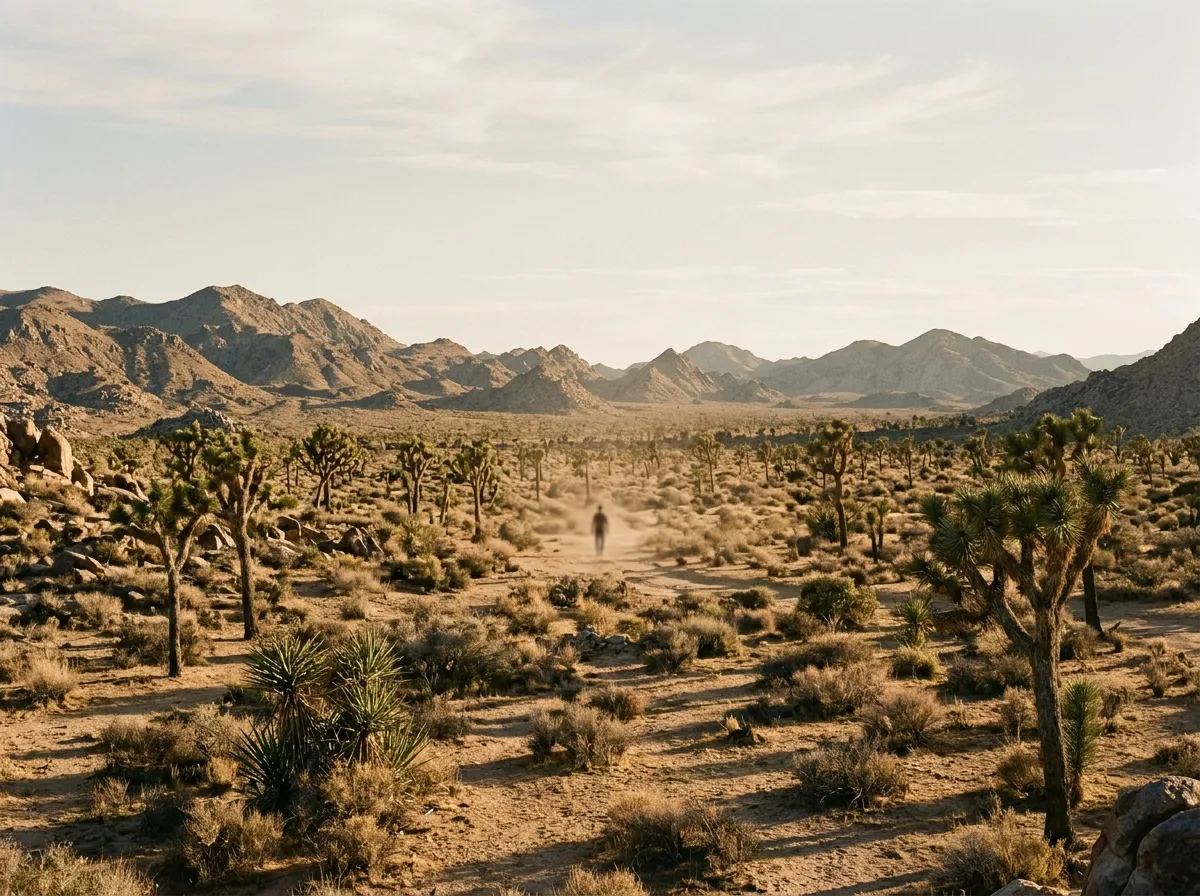
The most comfortable time to explore the desert generally falls during spring and fall, when daytime conditions are often more suitable for hiking, camping, and scenic drives.
Summer can be rewarding for experienced travelers who prepare carefully, but the heat makes exposed trails and strenuous activities more dangerous. Winter brings cooler days and potentially freezing nights, especially at higher elevations.
The temperatures below are approximate planning ranges from the source material, not guaranteed forecasts. Conditions vary by location, elevation, and weather.
Seasonal weather guide
| Season | Typical conditions | Recommended activities |
|---|---|---|
| Spring: March–May | Mild to warm days; cool nights | Hiking, photography, wildlife observation, and possible wildflower viewing |
| Summer: June–August | Frequently above 100°F (38°C) in hot locations | Short early-morning walks, scenic drives, and carefully planned visits |
| Fall: October–November | Often around 70–85°F (21–29°C) during the day | Hiking, camping, and exploring remote landscapes |
| Winter: December–February | Cooler days, with cold or freezing nights possible | Scenic drives, photography, and lower-elevation walks when conditions permit |
Which month should you choose?
March and April: These months may offer opportunities to see wildflowers after favorable winter rainfall. Flower displays vary from year to year, so they should not be treated as guaranteed.
October and November: These months are attractive for travelers who want to hike or camp without the most intense summer heat.
December through February: Winter can provide comfortable daytime sightseeing, but nighttime temperatures may fall sharply. Bring warm layers and check local forecasts before camping.
June through August: Plan strenuous activities for the coolest part of the day, carry plenty of water, and be prepared to cancel a hike if temperatures become unsafe.
For most first-time visitors, spring or fall is the most practical starting point.
Best Places to Visit in the Mojave Desert
The region covers a large area, so selecting a few attractions is more realistic than trying to see everything in one trip. The following destinations provide a useful mix of scenery, outdoor activities, and historical interest.
1. Mojave National Preserve
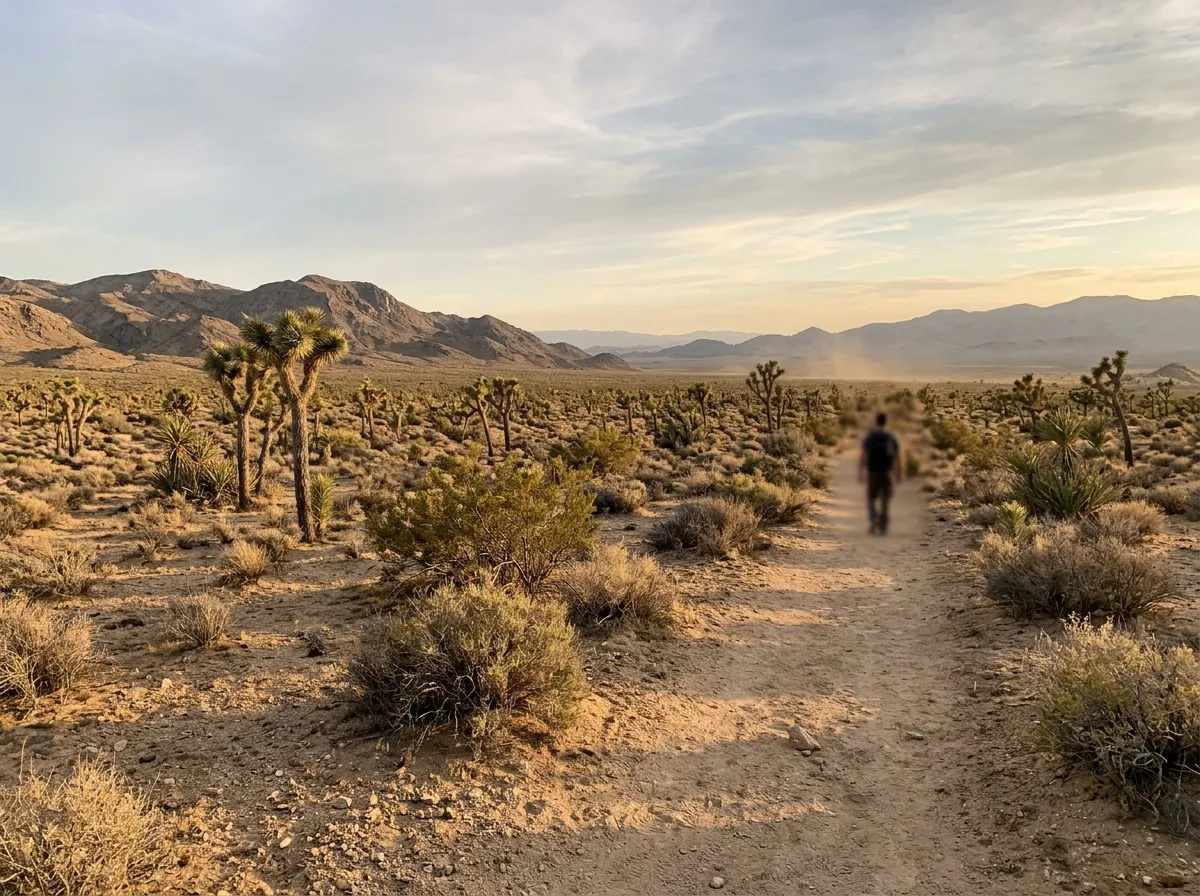
Mojave National Preserve is an excellent starting point for travelers seeking a combination of desert scenery and outdoor adventure. Its landscapes include Joshua tree forests, mountains, volcanic formations, dunes, and remote roads.
Visitors can choose short walks or longer hikes depending on their experience and available time.
What to do:
- Explore designated hiking trails.
- Photograph distinctive desert plants and geological formations.
- Visit historic sites and the Kelso Depot area when visitor facilities are open.
- Camp at established campgrounds where available.
- Observe wildlife from a respectful distance.
Because services are limited in many areas, obtain supplies before leaving nearby towns and check current road and facility conditions.
2. Kelso Dunes
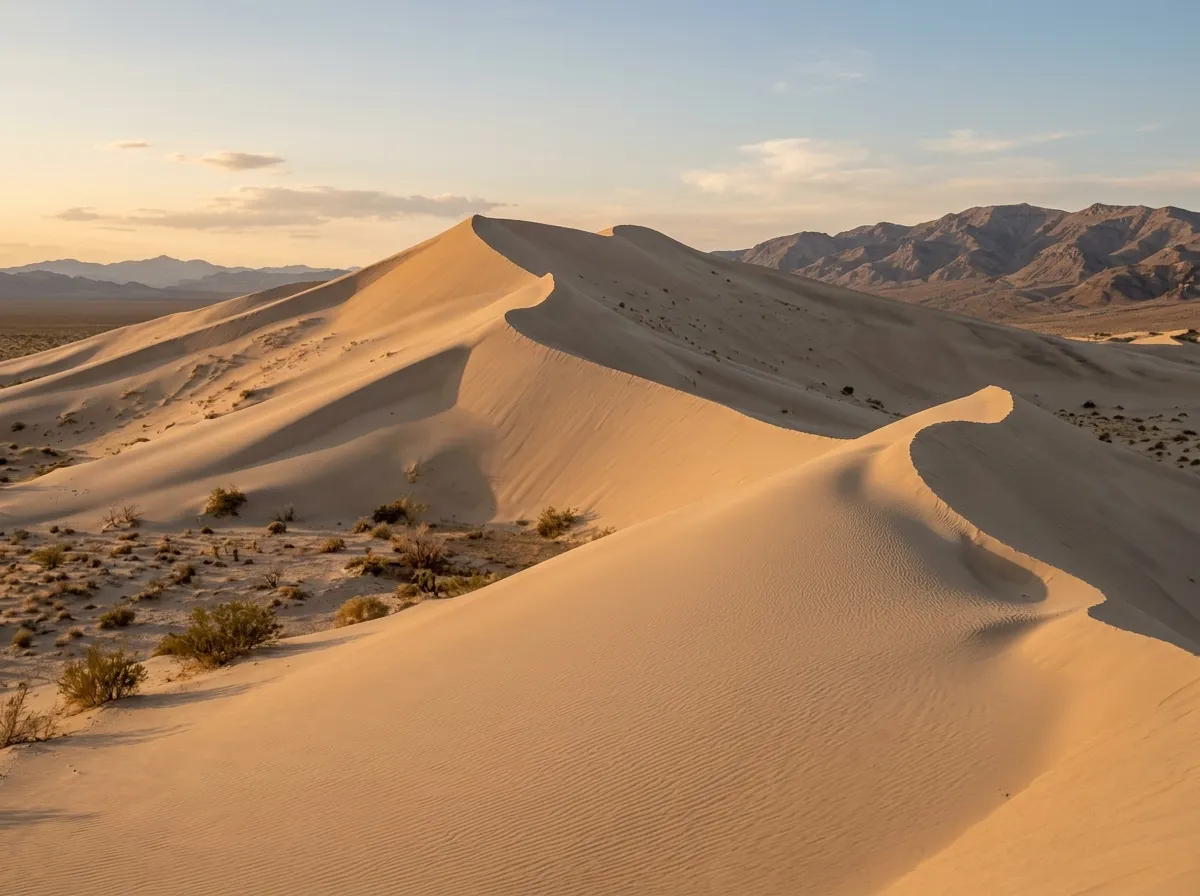
Kelso Dunes is one of the most recognizable attractions within Mojave National Preserve. Its sweeping sand slopes create a striking contrast with the surrounding mountains and desert vegetation.
The loose sand makes walking more demanding than hiking on a firm trail. A climb that appears short from a distance may require considerable effort, especially during warm weather.
Best experiences include:
- Watching sunrise or sunset over the dunes.
- Photographing the changing colors of the sand.
- Enjoying the broad desert views.
- Listening for the distinctive humming or booming sound that can occur when suitable sand conditions are present.
A return hike of approximately 5 km is described in the supplied travel information. Allow several hours if you plan to climb the dunes, take photographs, and return at a comfortable pace. The actual time depends on fitness, weather, and route conditions.
Carry water, wear suitable footwear, and avoid climbing exposed dunes during dangerous heat.
3. Teutonia Peak Trail
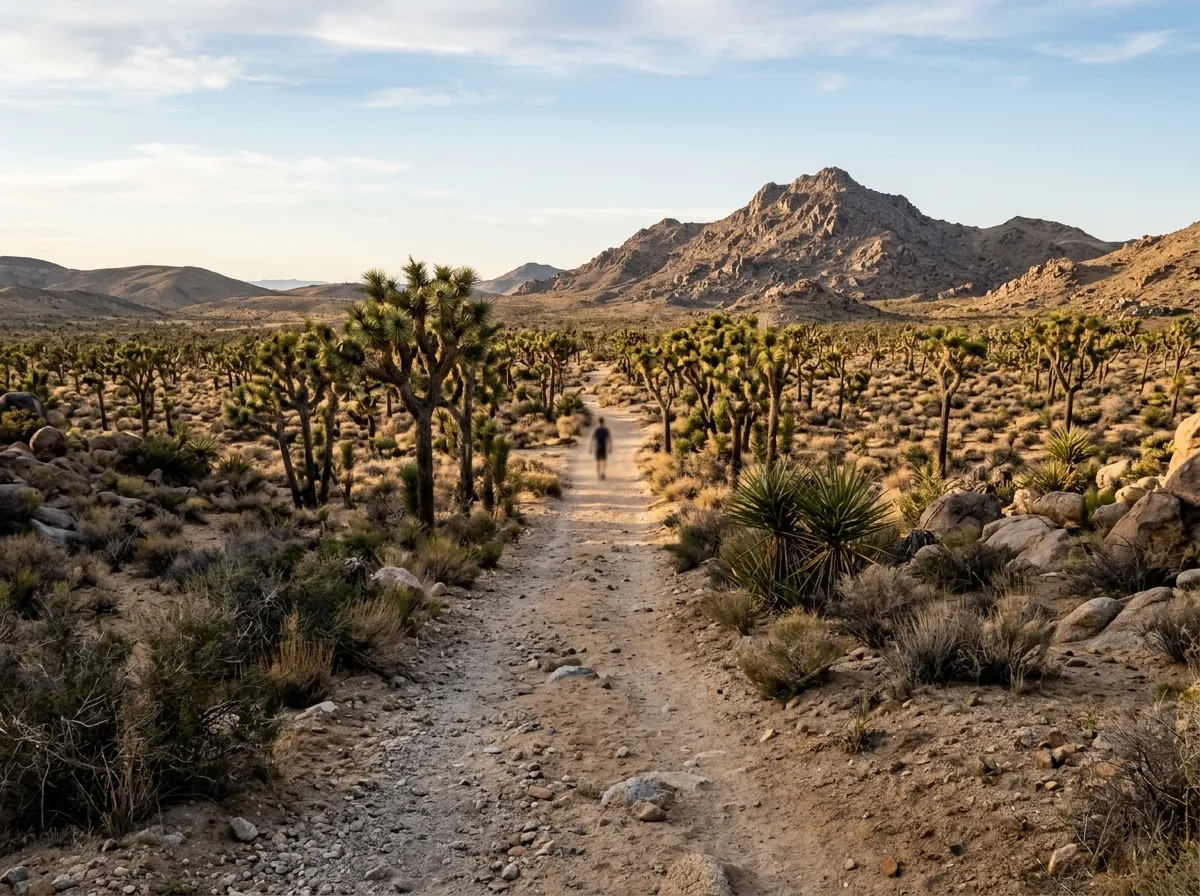
Teutonia Peak Trail offers an opportunity to walk through a landscape filled with Joshua trees and enjoy views of the surrounding desert.
The route is particularly appealing to visitors who want to experience the preserve on foot without committing to a very long hiking day.
The supplied guide describes a return distance of approximately 5 km and a hiking time of about 1 hour. Treat this as a general estimate rather than a guaranteed duration, since stops, terrain, and individual walking speed affect the total.
Before starting:
- Check the trail’s current condition.
- Carry water for the entire outing.
- Wear sturdy walking shoes.
- Start early in warm weather.
- Stay on established paths to protect fragile desert vegetation.
4. Kelso Depot and Historic Sites
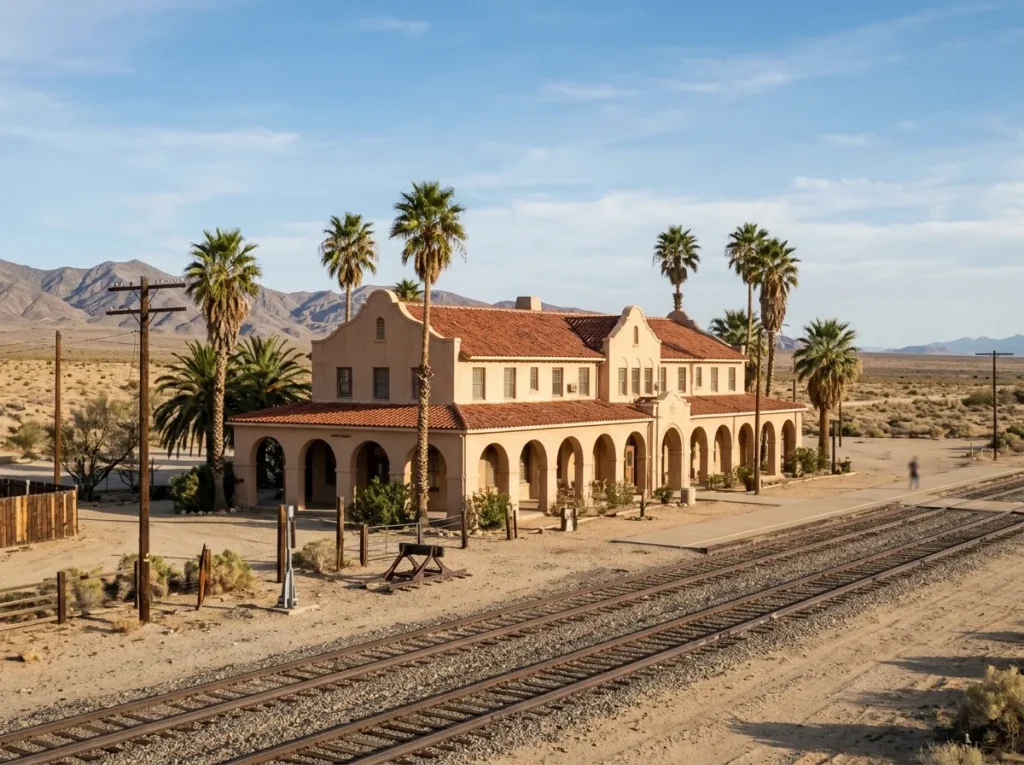
Kelso Depot offers a glimpse into the railway history of the Mojave region. The historic settlement of Kelso developed around transportation and mining activities, leaving behind buildings and stories connected with the area’s past.
The former railway depot is also associated with visitor information and exhibits when facilities are open.
A stop here can add variety to a trip dominated by hiking and landscapes.
Check current opening arrangements before traveling specifically to visit an indoor exhibit or obtain services. Remote facilities may operate on limited schedules.
5. Mojave Desert Lava Tube
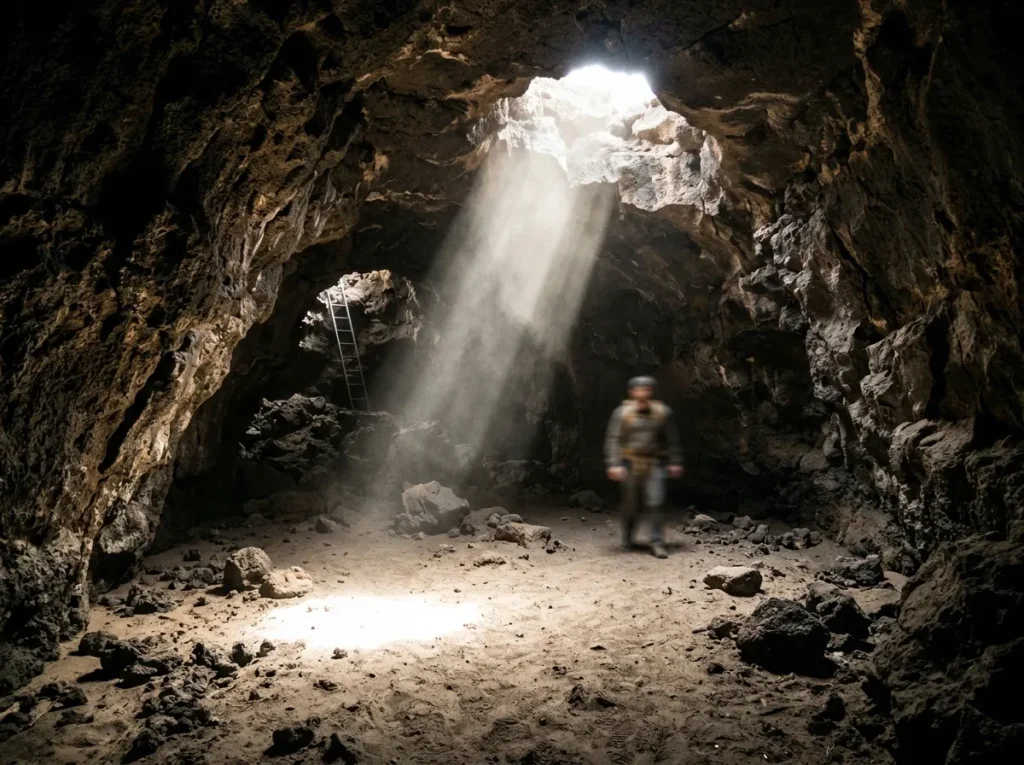
The lava tube is a distinctive geological attraction formed by volcanic activity. Openings in the ceiling can allow sunlight to enter, creating interesting patterns and opportunities for photography.
Access may involve rough roads, so check current conditions and make sure your vehicle is suitable before setting out.
Helpful planning tips:
- Check access information before departure.
- Avoid entering areas that are closed or unsafe.
- Carry a reliable flashlight.
- Wear shoes with good grip.
- Do not rely on mobile reception for navigation or emergencies.
The lava tube is a good example of why a little preparation can turn a remote stop into a more enjoyable experience.
6. Hole-in-the-Wall and Rings Loop Trail
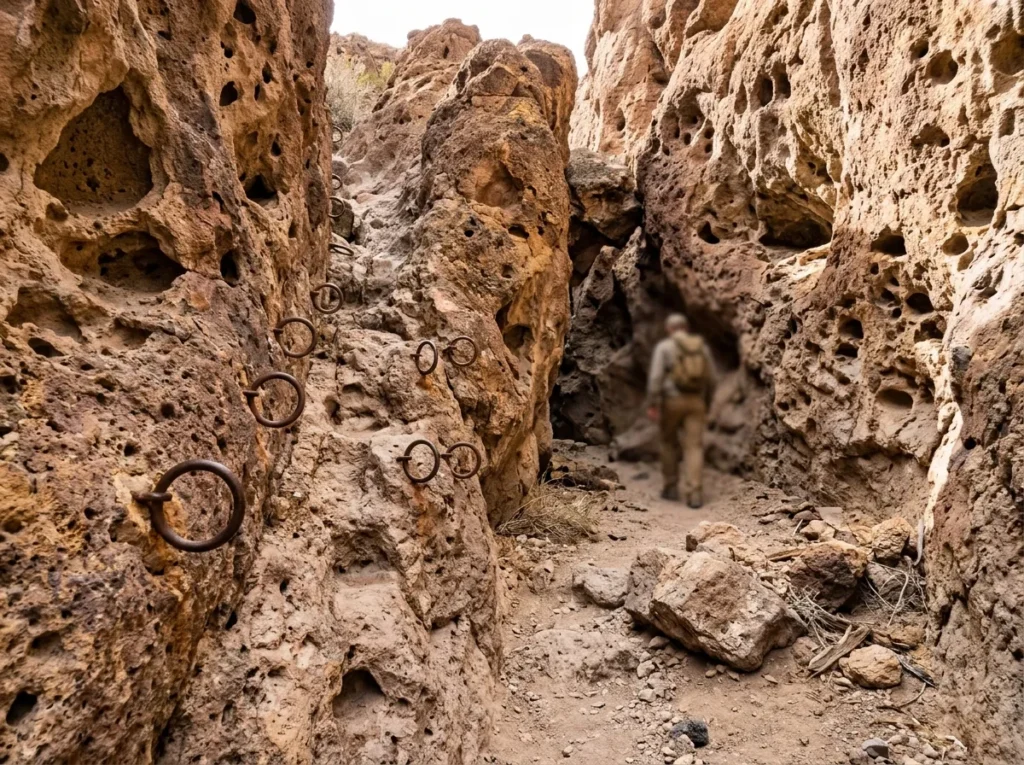
The Hole-in-the-Wall area provides access to distinctive rock formations, hiking routes, and camping facilities.
The Rings Loop Trail includes sections where metal rings assist hikers in negotiating rocky terrain. It can be an engaging adventure, but visitors should assess their comfort with scrambling before starting.
The supplied travel information gives a return distance of approximately 2.5 km for the Rings Loop Trail. Conditions and the difficulty of individual sections can influence the time required.
For a longer outing, the Barber Peak Loop Trail is described as approximately 10 km. This is better suited to visitors who have sufficient daylight, water, and hiking experience.
Always check trail conditions and local guidance before attempting routes involving steep or uneven terrain.
7. Joshua Tree National Park
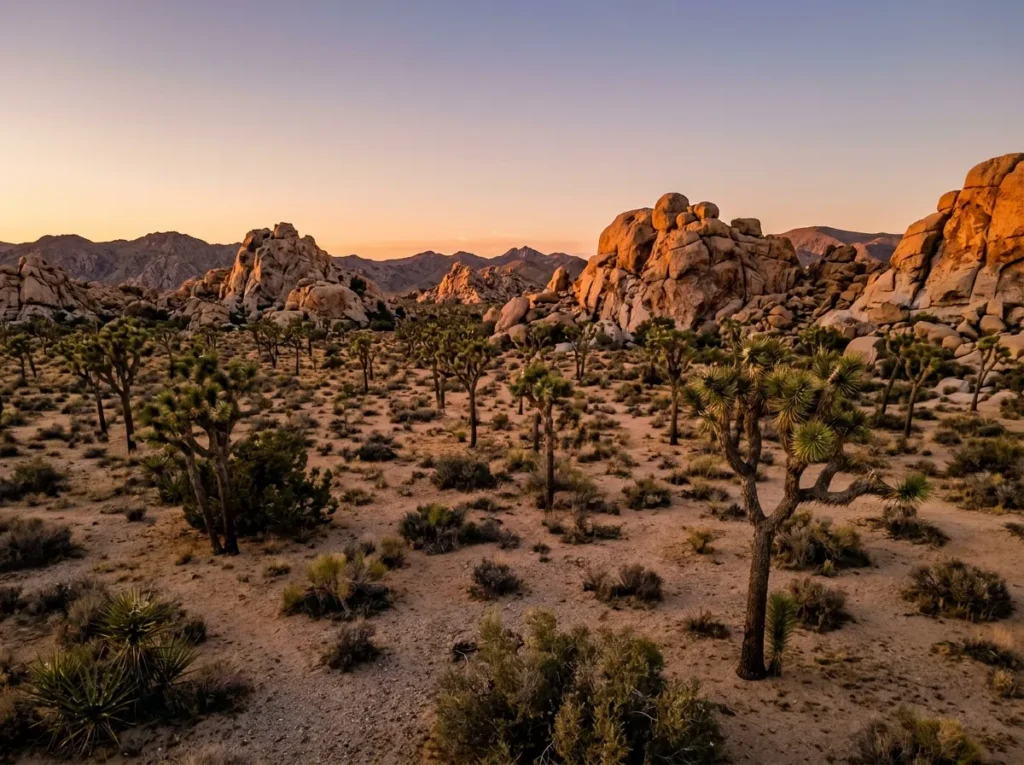
Joshua Tree National Park is another excellent destination for travelers interested in desert scenery. It is known for its distinctive Joshua trees, large rock formations, climbing areas, and hiking opportunities.
Popular activities include exploring Hidden Valley, visiting Barker Dam, hiking toward Ryan Mountain, and enjoying the night sky.
The park is separate from Mojave National Preserve, so allow additional driving time if you plan to visit both. Do not assume that attractions in different protected areas are close together simply because they share the same desert region.
8. Death Valley National Park
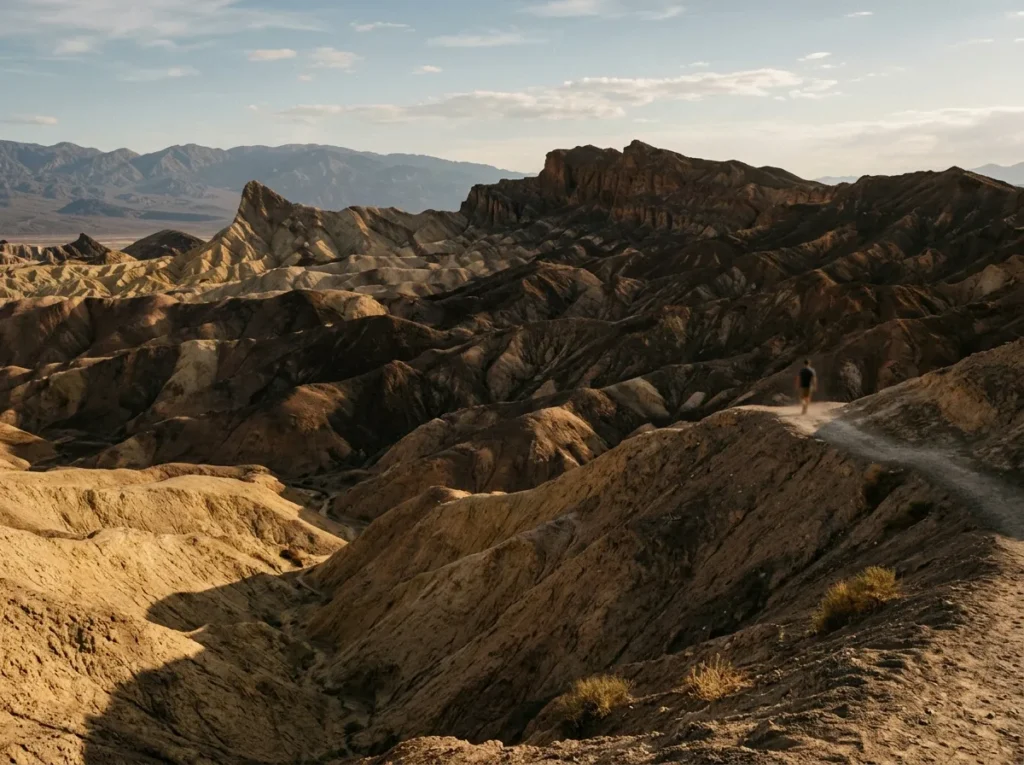
Death Valley National Park offers a different desert experience, featuring salt flats, sand dunes, mountain scenery, and striking geological colors.
Notable attractions include Badwater Basin, Mesquite Flat Sand Dunes, Zabriskie Point, and Artist’s Palette.
Extreme heat is an important consideration here. Check weather alerts, road conditions, and local safety advice before visiting, particularly in summer. Avoid strenuous outdoor activity during dangerous temperatures.
Best Hiking Trails and Their Distances
Comparing trail lengths before your visit helps you choose routes that fit your fitness level and schedule.
| Trail or route | Approximate distance | General experience |
|---|---|---|
| Hidden Valley Trail | 1-mile loop (about 1.6 km) | Short walk among rock formations in Joshua Tree National Park |
| Teutonia Peak Trail | About 5 km return | Joshua trees and scenic desert views |
| Kelso Dunes hike | About 5 km return | Sandy climb with expansive views |
| Rings Loop Trail | About 2.5 km return | Rocky terrain with sections assisted by metal rings |
| Barber Peak Loop Trail | About 10 km | Longer hike through rugged desert scenery |
| Lava tube access road | About 8 km of rough-road access described in the source | Vehicle access rather than a hiking-trail distance |
Important: Trail distances and road distances are different measurements. The lava tube’s access-road distance should not be interpreted as the length of a walking trail.
The figures above are planning estimates from the supplied source material. Verify the current route, access point, trail status, and any restrictions before setting off.
How to Plan a Mojave Desert Road Trip
A road trip through the Mojave Desert can be as short as a scenic detour or as involved as a multiday outdoor adventure.
The drive between Las Vegas and Los Angeles typically takes around 4 hours by a direct route under favorable traffic conditions. Exploring the preserve adds time for driving, stops, and hiking; a quick detour and a full day of exploration should not be planned as though they were the same trip.
Suggested one-day itinerary
Early morning: Start with a scenic trail
Choose a hike such as Teutonia Peak Trail or a shorter walk suited to the weather. Starting early reduces exposure to midday heat and leaves time for unexpected delays.
Late morning: Explore a geological attraction
Visit Kelso Dunes or another accessible attraction, depending on your route and the conditions. Allow enough time to walk safely rather than rushing to fit in multiple stops.
Afternoon: Visit a historic site or viewpoint
If visitor facilities are open, stop at Kelso Depot or explore an appropriate scenic area. During hot weather, prioritize sheltered or vehicle-based activities and avoid strenuous hikes.
Late afternoon: Finish with photography
Choose a safe, accessible viewpoint for the changing desert light. Do not remain in a remote area after dark unless you have planned your route, navigation, and return journey.
This itinerary is flexible. You should select the stops that make geographical sense instead of trying to cover every attraction in one day.
Driving and navigation checklist
Before leaving:
- Download offline maps or carry a physical road map.
- Check the weather and any heat advisories.
- Confirm which roads are open and whether they are paved.
- Ensure your vehicle has sufficient fuel.
- Carry a full-size spare tire where appropriate, along with the tools and knowledge to use it.
- Bring drinking water, food, and emergency supplies.
- Tell someone your planned route and expected return time.
- Check whether your intended stops have open visitor facilities or available services.
A four-wheel-drive vehicle may be appropriate for certain difficult unpaved roads, but it does not make every route safe. Do not enter deep sand or rough terrain unless your vehicle, equipment, and experience are suitable.
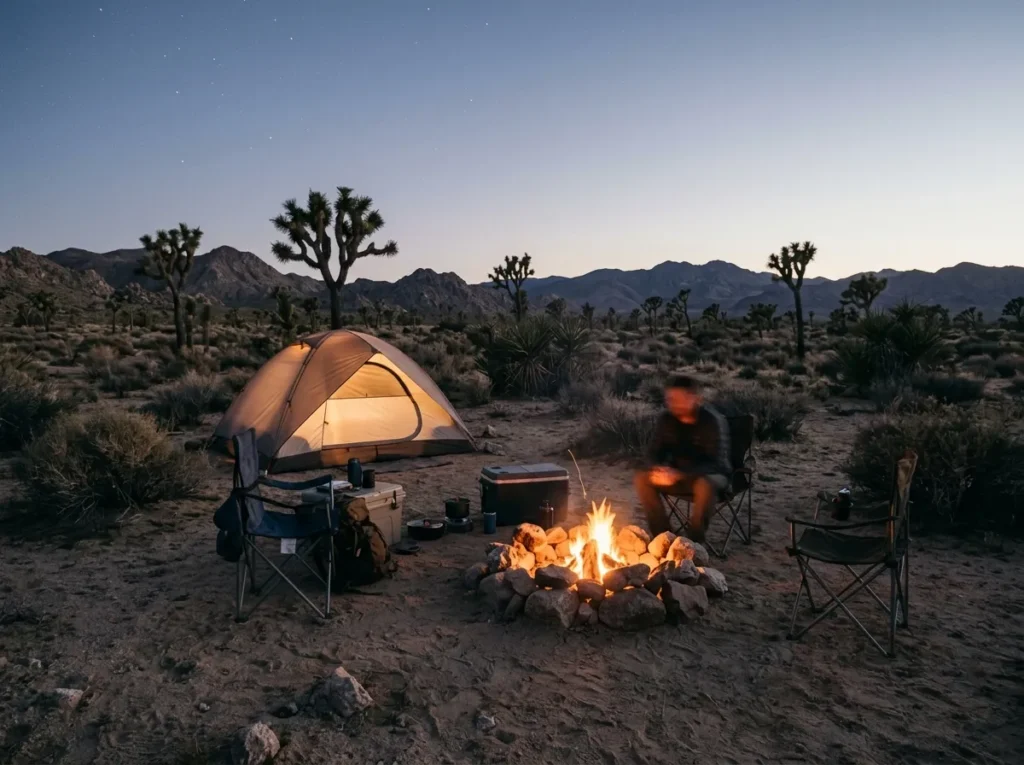
Camping in the Mojave Desert
Camping allows visitors to experience the desert after day visitors have left. It can also make early-morning hiking and sunrise photography easier because you are already near your intended destination.
Options include established campgrounds and permitted dispersed camping areas. Facilities differ considerably, and not every location offers drinking water, toilets, or nearby supplies.
Where to consider camping
Hole-in-the-Wall Campground: A practical base for exploring nearby trails and rock formations. Check current facilities and availability before arrival.
Mid Hills Campground: An option for travelers who want to stay within the preserve and explore its surrounding landscapes.
Permitted dispersed camping areas: These can offer greater solitude, but require more preparation. Confirm current land-management rules, access restrictions, fire regulations, and waste-disposal requirements.
Camping essentials
| Item | Why it matters |
|---|---|
| Tent or appropriate shelter | Protects against wind and changing weather |
| Sleeping bag and insulated layers | Desert nights can be much colder than daytime conditions |
| Drinking water | Essential where potable water is unavailable |
| Food and snacks | Remote areas may have no shops or restaurants |
| Headlamp and spare batteries | Useful after sunset and during emergencies |
| Offline navigation | Mobile coverage may be limited |
| First-aid kit | Helps address minor injuries and basic emergencies |
| Spare tire and vehicle tools | Useful on remote roads |
| Waste bags | Help keep campsites clean and protect wildlife |
Never assume a campground has water just because it has other facilities. Verify what is available before departure.
Wildlife and Desert Photography
The Mojave Desert supports specialized plants and animals adapted to limited water and challenging temperatures. Depending on location and conditions, visitors may encounter desert tortoises, bighorn sheep, reptiles, birds, and other wildlife.
Responsible observation helps protect both visitors and animals.
- Keep a respectful distance from wildlife.
- Never feed wild animals.
- Avoid touching or moving reptiles.
- Stay on designated trails wherever possible.
- Do not collect plants, rocks, or other natural objects where removal is prohibited.
- Use a zoom lens or binoculars instead of approaching animals.
Photography tips for first-time visitors
Golden hour: Early morning and late afternoon often produce softer light and more defined landscape textures.
Dune photography: Side lighting can reveal ripples in the sand and emphasize the shape of the dunes.
Night photography: Choose a safe, legal location away from unnecessary light. Check weather and moon conditions if photographing stars.
Lava tube photography: Confirm access and lighting conditions before traveling. Bring suitable lighting equipment and never enter restricted or unstable areas.
For the best experience, plan photographs around the conditions rather than taking unnecessary risks to capture a particular image.
Essential Safety Tips for the Mojave Desert
Desert environments can be unforgiving, especially when visitors underestimate heat, distance, and the time required to return to their vehicles.
1. Carry sufficient water
A general planning guideline in the supplied material is at least 1 gallon (3.8 litres) of water per person per day. This is a starting point, not a universal safe limit. Hot weather, strenuous hiking, and individual needs can require substantially more.
Do not begin a hike if you cannot carry enough water for the expected conditions and a reasonable delay.
2. Avoid dangerous heat
During hot weather, plan outdoor activities for early morning and avoid strenuous midday hiking. A temperature above 100°F (38°C) can create serious risks, particularly on exposed sand and rocky trails.
Check official weather alerts before departure. If conditions become dangerous, change your plan rather than attempting to complete a hike.
3. Prepare for sudden weather changes
Desert conditions can change quickly. Cold nights, strong winds, and seasonal storms can affect both comfort and safety.
Carry layers, check forecasts, and avoid washes or low-lying drainage areas when flash flooding is possible.
4. Do not depend entirely on your phone
Mobile reception may be absent across substantial remote areas. Download maps in advance and consider an appropriate emergency communication device for isolated trips.
Tell a trusted person where you are going and when you expect to return.
5. Respect road limitations
Unpaved roads may have deep sand, rocks, washouts, or other hazards. Confirm the road condition before entering and never drive beyond your vehicle’s capability.
If a road looks unsafe, turning around is often the best decision.
6. Protect yourself from the sun
Wear sun-protective clothing, a hat, sunglasses, and sunscreen. Seek shade and take breaks where possible.
Headaches, dizziness, nausea, unusual weakness, or confusion in hot conditions may indicate heat-related illness. Stop activity and seek appropriate emergency assistance if serious symptoms develop.
Budget and Practical Travel Planning
The cost of a Mojave Desert visit depends on your transportation, accommodation, chosen attractions, equipment, and trip length. Some scenic stops and outdoor experiences may require little additional spending, while lodging, vehicle preparation, and organized activities can increase the budget.
Rather than relying on a single estimated trip price, plan your main expenses individually.
| Expense category | What to check |
|---|---|
| Transportation | Fuel, vehicle rental, mileage, and road suitability |
| Accommodation | Campground fees, hotel rates, and reservation rules |
| Park access | Applicable entrance fees, permits, and regulations |
| Food and water | Supplies purchased before entering remote areas |
| Equipment | Hiking shoes, camping gear, navigation, and emergency supplies |
| Contingency | Extra fuel, unexpected overnight stays, and travel delays |
Nearby communities such as Barstow and Baker can be useful places to organize supplies, fuel, and other essentials. Availability varies, so check your intended stops before setting out.
Final preparation checklist
Before leaving for the Mojave Desert, make sure you can answer these questions:
- Have I selected the right season and checked the forecast?
- Do I know the exact locations and distances of my planned stops?
- Have I checked road access and trail conditions?
- Am I carrying enough water, food, and suitable clothing?
- Do I have offline navigation and an emergency plan?
- Have I confirmed campground rules and visitor-facility opening arrangements?
- Does my itinerary leave enough daylight for the return journey?
- Have I shared my route with someone if I am traveling into a remote area?
A little preparation makes it easier to enjoy the desert’s quiet landscapes without turning a memorable trip into a difficult situation.
Frequently Asked Questions
What is the best time to visit the Mojave Desert?
Spring and fall are generally the most comfortable seasons for hiking, camping, and exploring the landscape. March and April may offer wildflowers, while October and November often provide pleasant daytime conditions.
How hot does the Mojave Desert get?
Summer temperatures can exceed 100°F (38°C) in many locations. Conditions vary by elevation and location, so check the local forecast and avoid strenuous activities during dangerous heat.
How much water should I bring?
A general starting guideline is at least 1 gallon (3.8 litres) per person per day. Hot weather and strenuous activity can increase your needs, so carry sufficient water for your planned route and unexpected delays.
Can I explore Mojave National Preserve in one day?
Yes, a one-day visit can work if you select a small number of nearby attractions. Longer hikes, remote roads, and photography stops require additional time, so avoid trying to cover the entire preserve in a single day.
Are the Kelso Dunes difficult to hike?
Walking on loose sand can be physically demanding, particularly on steep sections and in warm weather. A return hike of approximately 5 km is described in the supplied travel information, but the effort and duration depend on your fitness and conditions.
Is a four-wheel-drive vehicle necessary?
Not for every attraction. Some destinations can be reached using suitable ordinary vehicles, while certain rough or sandy roads may require four-wheel drive and appropriate experience. Check the exact road conditions before departure.
Can I camp in Mojave National Preserve?
Camping is possible at designated campgrounds and in certain permitted dispersed camping areas. Facilities and restrictions vary, so confirm current availability, water access, fire rules, and camping regulations.
Is there mobile phone reception in the Mojave Desert?
Reception can be unreliable or absent in remote parts of the region. Download offline maps, carry emergency supplies, and consider a suitable satellite communication device for isolated trips.
What should I see on my first visit?
Mojave National Preserve, Kelso Dunes, Teutonia Peak Trail, Kelso Depot, and Hole-in-the-Wall are useful starting points. Choose attractions based on driving distance, weather, trail difficulty, and the time you have available.
Is the Mojave Desert suitable for families?
Yes, provided the itinerary matches everyone’s abilities and the weather is suitable. Choose shorter walks, accessible viewpoints, and established facilities, and avoid exposed strenuous hikes during extreme heat.
Final Thoughts
The Mojave Desert offers far more than sand and dry terrain. Its Joshua tree forests, volcanic formations, historic settlements, hiking routes, and expansive night skies make it an appealing destination for a wide range of travelers.
For a first visit, prioritize spring or fall, choose a manageable group of attractions, and plan around the actual distances between them. Carry sufficient water, prepare for unreliable mobile reception, and check current weather, road, and trail conditions before leaving.
The best desert trip is not the one with the most stops. It is the one that gives you enough time to explore safely, appreciate the landscape, and return with a better understanding of this remarkable region.
Hi, I’m Marcus! I love exploring the outdoors and discovering incredible places. Through ExploreNatureTrips blog, I share my travel experiences, useful tips, and recommendations for the best sights, trails, and destinations to visit.